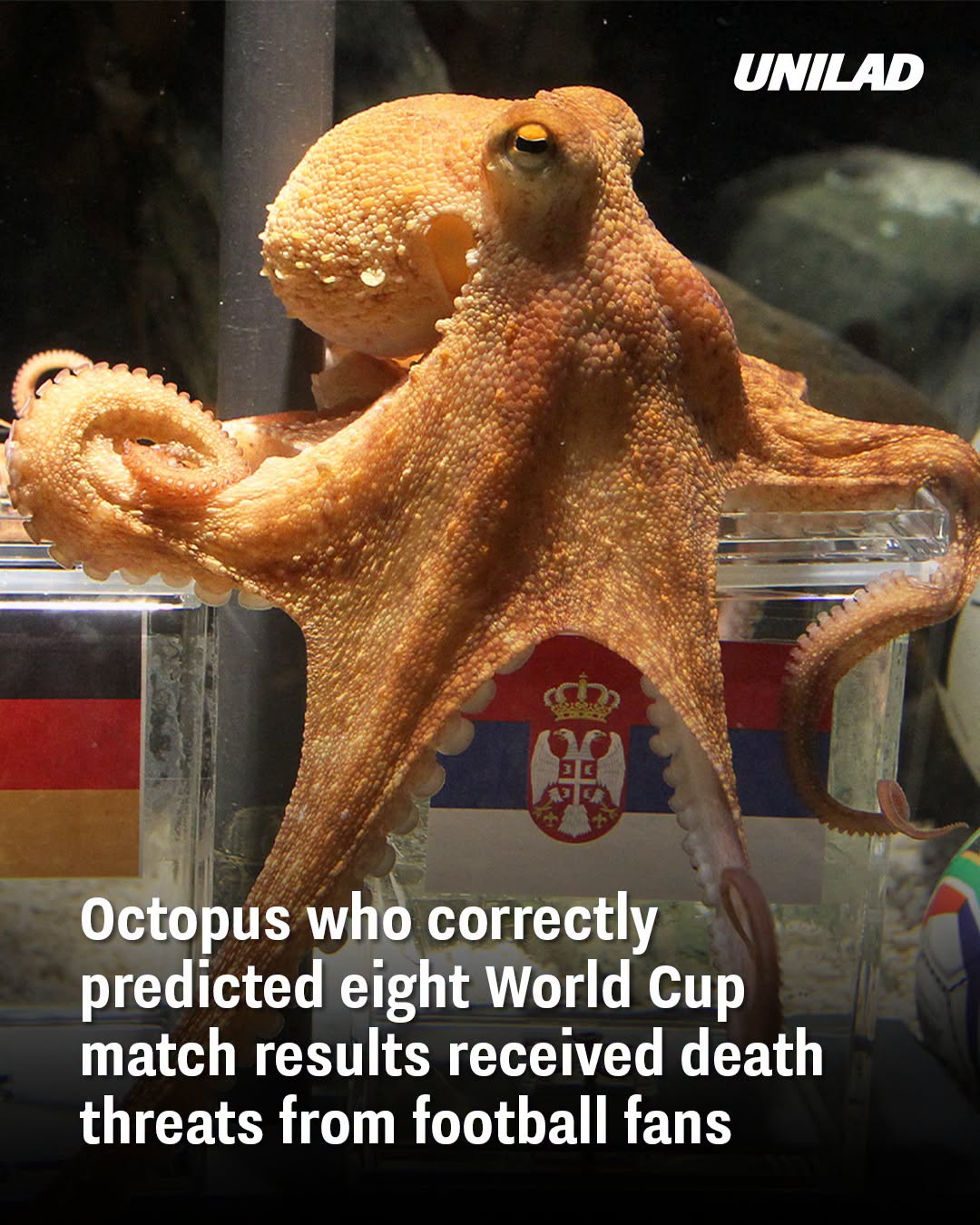
Football fans have always searched for ways to predict the future, from expert analysis and statistical models to superstition and lucky rituals. Yet few prediction stories have captured the public imagination quite like that of Paul the Octopus, a sea creature that unexpectedly became one of the most famous figures in World Cup history.
More than a decade after his rise to fame, Paul remains the gold standard for animal predictions in sport. As the 2026 FIFA World Cup generated excitement across the globe, many people once again looked back at the extraordinary story of the octopus whose predictions stunned millions and transformed him into an international celebrity.
How Paul Made His Predictions
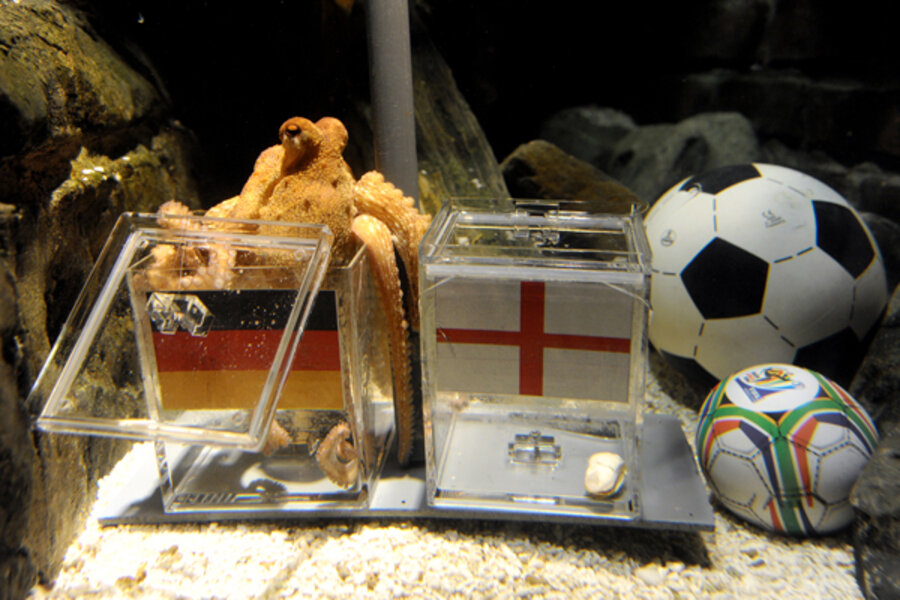
Paul lived at a marine center in Germany and was given a simple task before important football matches. Two containers were placed inside his tank, each decorated with the flag of a competing nation. Both boxes contained food, and whichever box Paul opened first was considered his prediction for the winner. The process appeared straightforward, yet the results quickly attracted attention. During major international tournaments, Paul repeatedly selected the correct team, turning what began as a light-hearted attraction into a global phenomenon. Fans, journalists, and television networks followed every prediction. What had started as entertainment soon became a worldwide event, with millions eagerly waiting to see which team Paul would choose next.

The Perfect World Cup Run
Paul first gained recognition during the 2008 European Championship, but it was the 2010 FIFA World Cup that made him famous around the world. The octopus correctly predicted every match involving Germany during the tournament. His success became even more remarkable when he accurately forecast Germany’s defeat to Spain in the semi-finals, a prediction many supporters did not want to hear. He then completed his incredible run by correctly selecting Spain to defeat the Netherlands in the World Cup final. By the end of the tournament, Paul had achieved a perfect record, accurately predicting eight consecutive outcomes and earning a reputation as football’s most successful animal oracle.
Fame, Controversy, and Threats
Not everyone appreciated Paul’s success. Some disappointed supporters reacted angrily when his predictions went against their national teams. Following his forecast that Germany would lose to Spain, a wave of criticism appeared online. Similar reactions emerged from some Argentine fans after Paul predicted their defeat. Jokes about cooking the octopus circulated widely, while media outlets reported threats directed at the unlikely celebrity. Despite the backlash, Paul’s popularity continued to grow. Politicians, sports fans, and media organizations discussed his predictions, and he became one of the most recognizable symbols of the 2010 World Cup.
A Lasting Legacy
Paul passed away later in 2010, but his legacy has endured. Since then, numerous animals—including cats, turtles, camels, otters, sharks, and birds—have attempted to follow in his footsteps by predicting football results. While some have enjoyed brief moments of success, none have matched Paul’s combination of accuracy and worldwide fame. His story remains a unique chapter in football history and a reminder that the sport’s greatest moments often come from the most unexpected places.
Why People Still Remember Him
There is no scientific evidence that animals can predict football matches. Most experts believe Paul’s success was simply a remarkable coincidence. However, that explanation has done little to reduce the fascination surrounding his story. Football is a sport filled with uncertainty, and fans love anything that adds to the excitement before a match begins. Paul the Octopus provided exactly that. His predictions created suspense, sparked conversations around the world, and added a touch of mystery to the biggest tournament in football. Years later, he remains the most famous animal predictor the sport has ever seen, proving that sometimes the most memorable World Cup legends are not players, coaches, or champions—but an octopus with an extraordinary streak of correct guesses.