Keeping a yard looking neat can be challenging, especially when unwanted grass begins growing in flower beds, between paving stones, or along fences. While chemical herbicides are widely available, many homeowners prefer natural alternatives that are safer for children, pets, and the environment.
Natural methods may take a little more time than commercial weed killers, but they can be just as effective when used consistently. By combining a few simple techniques, you can eliminate unwanted grass while maintaining a healthier outdoor space.
Boiling Water Offers Instant Results
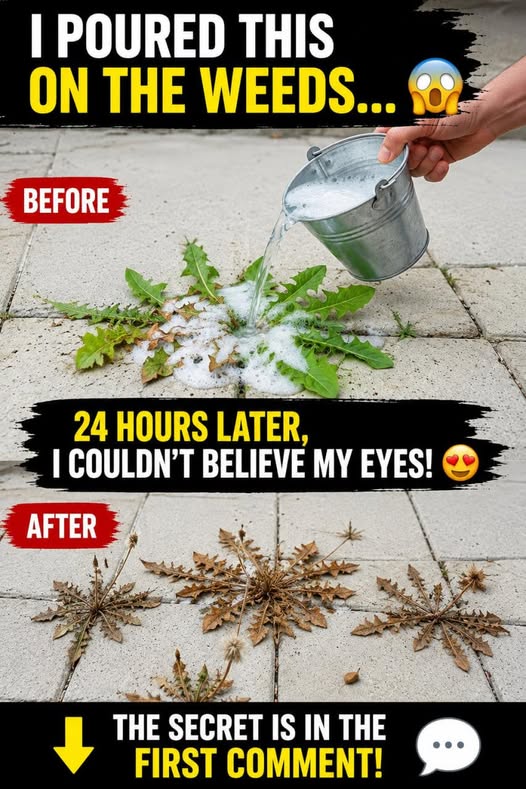
One of the simplest ways to kill unwanted grass is by pouring boiling water directly onto the affected area. The intense heat destroys the plant’s leaves and damages its root system, causing it to wither within days. This method works particularly well for grass growing between driveway cracks, patios, and sidewalks where there are no nearby plants you want to protect. Because boiling water cannot distinguish between weeds and desirable plants, it should only be used in targeted locations.
Vinegar Can Dry Out Grass
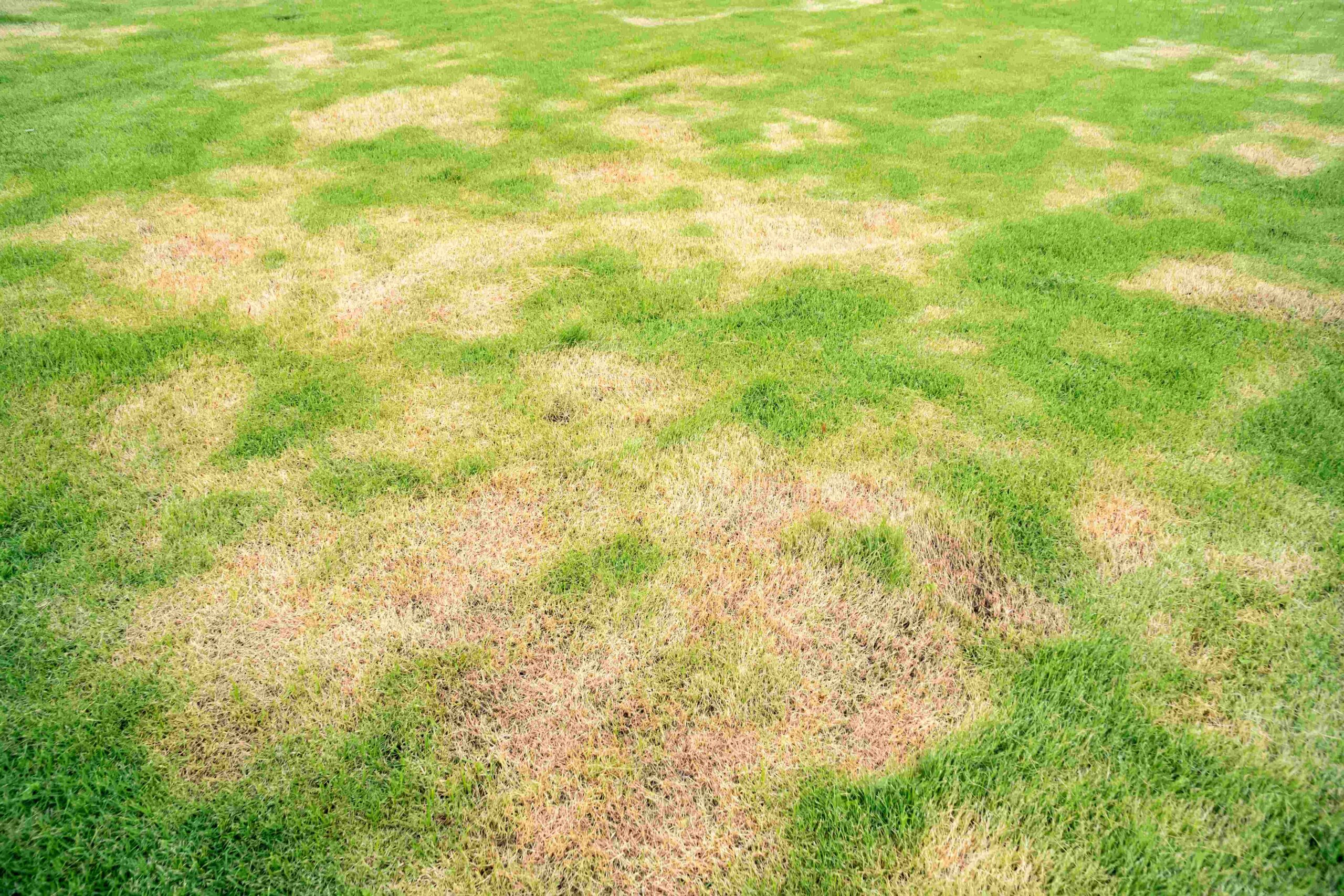
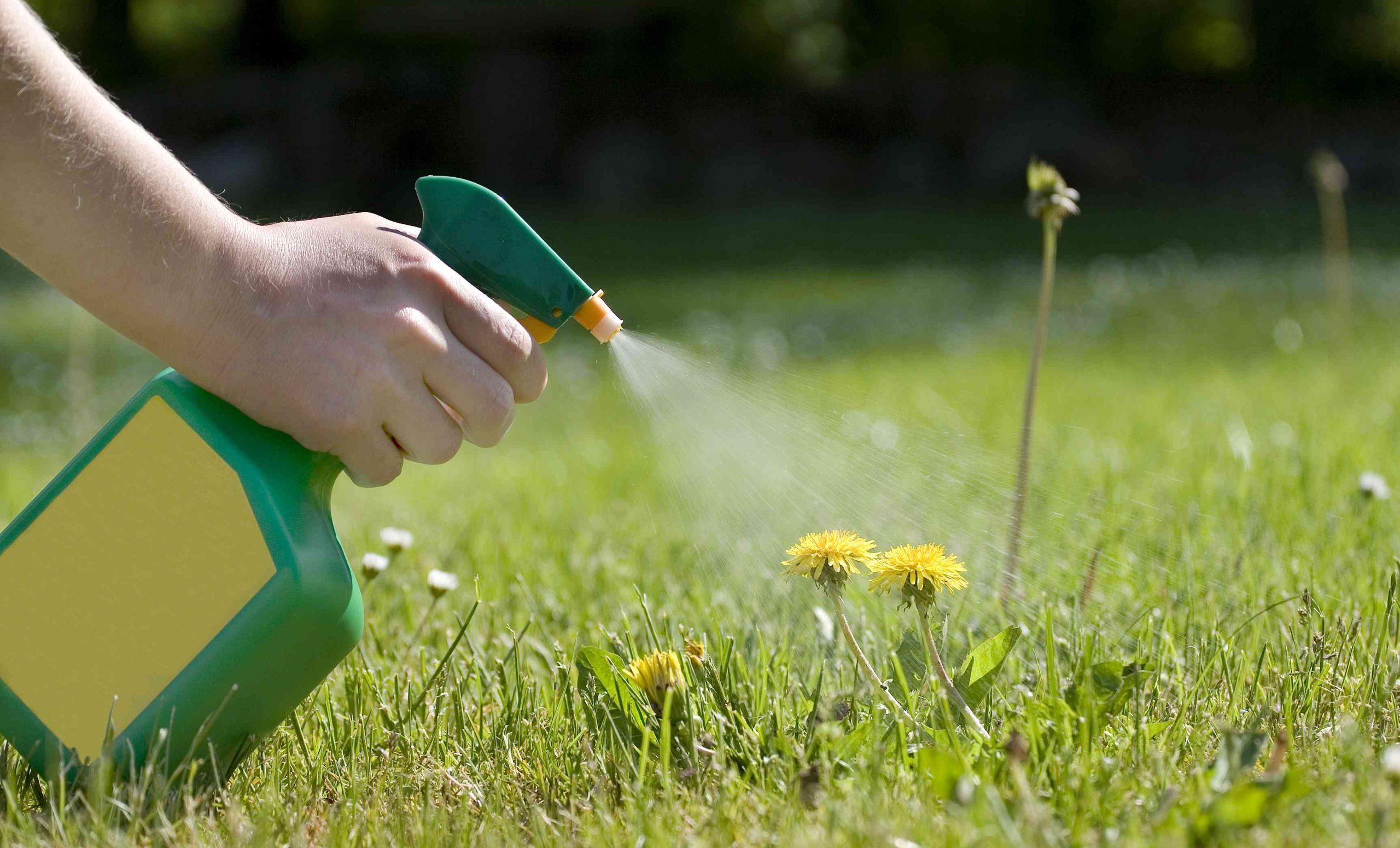
Household white vinegar is another popular natural solution. Its acetic acid removes moisture from grass blades, causing them to dry out and die. For the best results, spray vinegar directly onto the unwanted grass during a warm, sunny day. The sunlight helps speed up the drying process, making the treatment more effective. Keep in mind that vinegar affects any plant it touches, so avoid spraying flowers, vegetables, or ornamental shrubs. Persistent grass may require several applications before it disappears completely.
Smother Grass With Mulch or Cardboard
If unwanted grass is spreading through garden beds, covering it can be one of the most effective long-term solutions. Lay sheets of cardboard or several layers of newspaper over the grass before covering the area with mulch. Without access to sunlight, the grass gradually dies while the cardboard naturally decomposes into the soil. Wood chips, bark mulch, straw, or compost can all help prevent new grass from emerging while improving the appearance of your landscape. This technique also helps retain soil moisture and reduce future weed growth.
Pulling Grass by Hand
Although it requires some effort, hand-pulling remains one of the safest and most environmentally friendly ways to remove unwanted grass. The job is much easier after rainfall or watering because moist soil allows the roots to slide out more easily. Using a garden fork or hand weeder can help loosen stubborn roots and reduce the chance of regrowth. Removing the entire root system is important, as even small root fragments may allow the grass to return.
Salt Should Be Used Carefully
Some gardeners use salt as a natural weed killer because it draws moisture from plant tissues and eventually kills vegetation.
However, salt should only be applied in areas where you do not intend to grow anything in the future, such as cracks in concrete or gravel pathways. Excessive salt can remain in the soil for a long time, making it difficult for other plants to survive. For this reason, it should be considered a last resort rather than a routine gardening solution.
Preventing Grass From Returning
Once unwanted grass has been removed, prevention is the key to keeping your yard tidy. Maintaining healthy mulch layers, edging garden beds, mowing regularly, and filling cracks where grass often appears can all reduce future growth. Dense, healthy lawns also help crowd out invasive grasses by limiting the space available for unwanted plants to establish themselves. Regular inspection allows you to remove new shoots before they become difficult to control.
A Greener Way to Maintain Your Yard
Natural grass removal methods may require patience, but they offer an effective alternative to harsh chemical herbicides. Whether you choose boiling water, vinegar, cardboard, mulch, or simple hand-pulling, each method can help restore order to your outdoor space without introducing unnecessary chemicals into the environment. By combining several of these techniques and staying consistent with maintenance, homeowners can enjoy cleaner garden beds, tidy pathways, and healthier landscapes throughout the growing season while protecting beneficial plants, wildlife, and the soil beneath their feet.