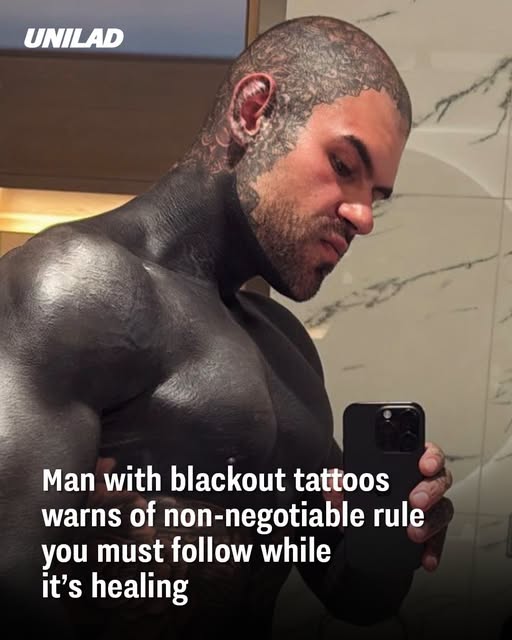
Blackout tattoos have become one of the boldest trends in modern body art, transforming large areas of skin into solid black designs. While the finished result can look striking, one tattoo enthusiast has shared the intense healing process behind the artwork, giving people an unfiltered look at what happens after leaving the tattoo studio.
His experience has sparked widespread discussion online, with many viewers admitting they had never realized how physically demanding blackout tattoos can be compared to traditional designs.
What Is a Blackout Tattoo?
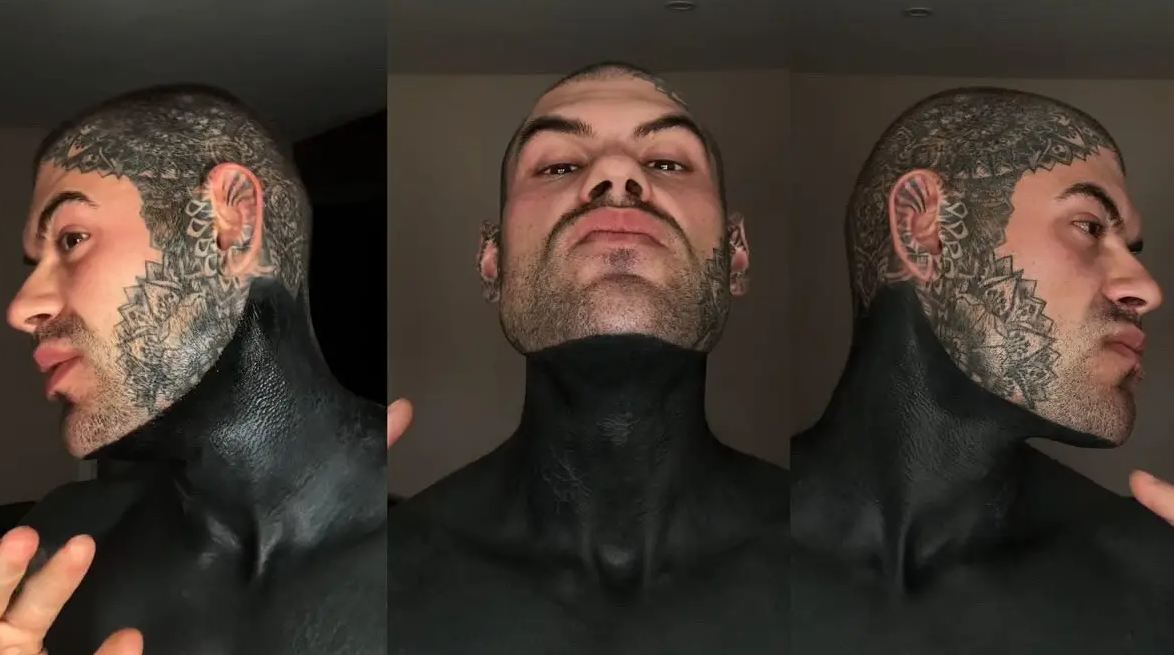
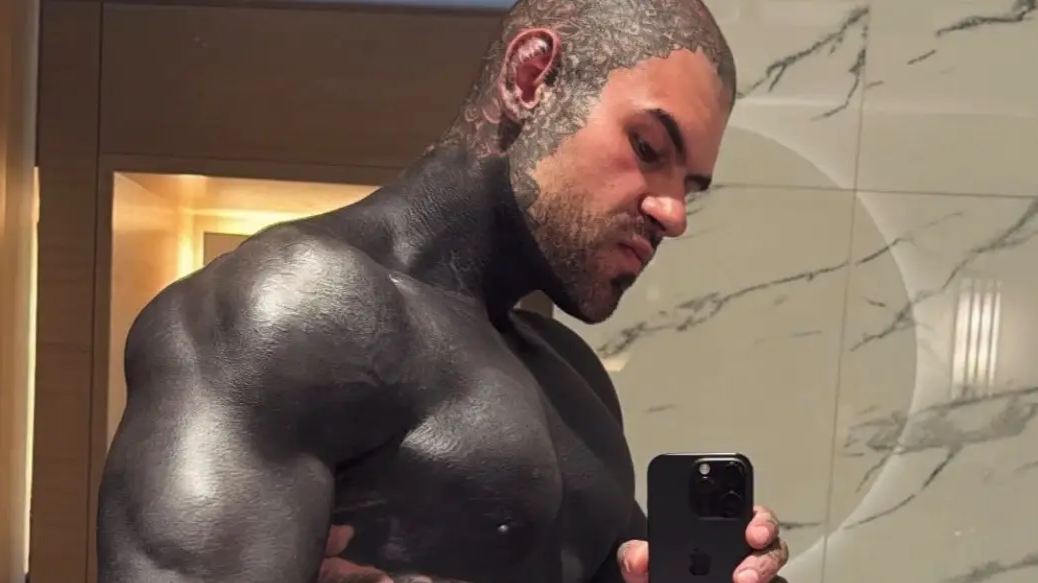
Unlike conventional tattoos that feature detailed artwork or colorful images, a blackout tattoo involves covering large sections of the body with solid black ink. Depending on the size of the area, the process can require several lengthy tattoo sessions spread over weeks or even months. Many people choose blackout tattoos to create a dramatic aesthetic, cover older tattoos, or form the foundation for future designs that incorporate negative space. Because so much skin is tattooed at once, the body experiences far more trauma than it would during a smaller tattoo, making recovery especially challenging.
The Healing Process Can Be Intense
The tattoo enthusiast documented his recovery in a series of videos, showing how the heavily tattooed skin reacted during the days following the procedure. As expected with any tattoo, redness and swelling appeared almost immediately. However, blackout tattoos often produce much heavier peeling because such a large amount of skin has been saturated with ink. During healing, thick layers of dead skin gradually flake away as fresh skin forms underneath. While the appearance can look alarming, peeling is considered a normal stage of recovery if the tattoo is healing properly. Many viewers admitted they were surprised by just how dramatic the process looked.
Why Blackout Tattoos Are More Demanding
Tattoo artists often explain that blackout work places exceptional stress on the skin because every section must be packed with dense black pigment. Instead of creating thin outlines or small shaded areas, the needle repeatedly passes over nearly every inch of the design. This repeated trauma can result in increased soreness, longer healing times, and greater aftercare requirements compared with smaller tattoos. The body must repair a much larger wound, meaning proper hydration, gentle cleaning, and following professional aftercare instructions become even more important.
Possible Long-Term Considerations
Experts say blackout tattoos are generally considered safe when performed by experienced professionals using sterile equipment and approved tattoo inks. However, they also note that extensive tattooing can present unique challenges. Large blackout tattoos may make it more difficult to notice changes in the skin beneath the ink, potentially complicating routine skin examinations. Dermatologists often encourage anyone with extensive tattoos to perform regular skin checks and seek medical advice if unusual changes develop in uncovered areas or around the tattoo. People considering blackout tattoos are also encouraged to think carefully before committing, as removing large areas of solid black ink through laser treatment can be extremely difficult, expensive, and time-consuming.
Social Media Reacts
After images of the healing process circulated online, reactions were mixed. Some viewers admired the commitment required to complete such an ambitious tattoo project, praising the finished result despite the difficult recovery. Others admitted the videos convinced them that blackout tattoos were not something they would ever attempt themselves, with many commenting that they had underestimated the amount of peeling and discomfort involved. The discussion also encouraged conversations about tattoo safety, aftercare, and the importance of researching experienced artists before undergoing extensive body art.
More Than Just a Fashion Statement
Blackout tattoos continue to grow in popularity, but the viral healing videos serve as a reminder that the process extends far beyond the hours spent in the tattoo chair. Recovery can take weeks, requiring patience, careful aftercare, and a willingness to endure temporary discomfort while the skin repairs itself. For those considering a blackout tattoo, understanding the healing journey may be just as important as choosing the final design. While the finished artwork can make a powerful visual statement, the transformation demands significant commitment long after the tattoo session has ended.