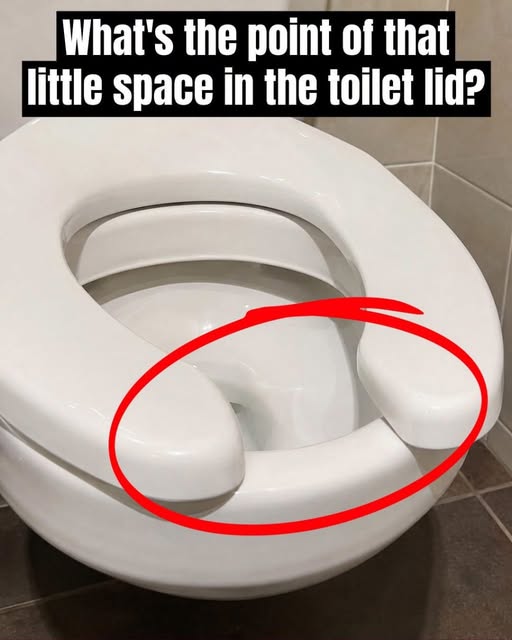
If you’ve ever used a public restroom, you’ve probably noticed that many toilets have U-shaped seats with an open section at the front instead of the fully enclosed oval seats commonly found in homes. While the design may seem unusual at first, it wasn’t created by accident.
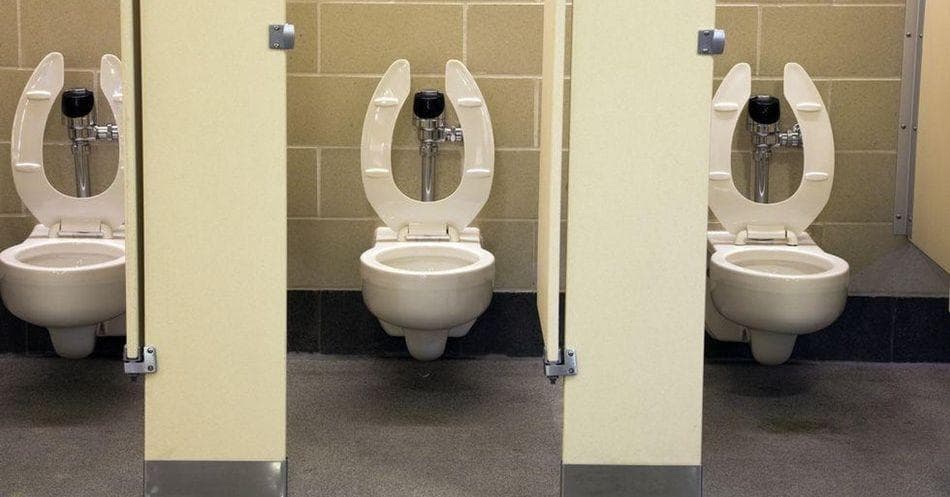
The open-front toilet seat has been used in public facilities for decades and is widely recommended in commercial buildings throughout North America. From airports and shopping malls to restaurants, schools, hospitals, and office buildings, this practical design serves several important purposes related to hygiene, comfort, and maintenance. Although it may appear to be a small detail, the shape of the seat can make a noticeable difference in keeping public restrooms cleaner and easier to maintain.
Improving Hygiene for Everyone
One of the biggest reasons for using U-shaped toilet seats is hygiene. The opening at the front reduces the likelihood of direct contact between the user and the seat. This is particularly beneficial in busy public restrooms where hundreds or even thousands of people may use the same facilities each day. The design also provides additional space, helping reduce accidental contact with surfaces that may not always be perfectly clean. While no toilet seat can completely eliminate germs, the open-front style helps minimize some common hygiene concerns associated with shared restrooms. Health experts continue to emphasize that proper handwashing remains the most effective way to prevent the spread of germs after using any restroom.
Easier to Keep Clean
Cleaning staff also benefit from the U-shaped design. Because there is less surface area, custodians can clean and disinfect the seat more quickly. The open section makes it easier to reach areas around the bowl that might otherwise require extra effort with a fully enclosed seat. In high-traffic buildings where restrooms are cleaned several times each day, even small improvements in efficiency can save significant time while helping maintain better sanitation standards. The simplified shape also makes it easier to inspect the seat for damage or dirt during routine maintenance.
Added Comfort and Practicality
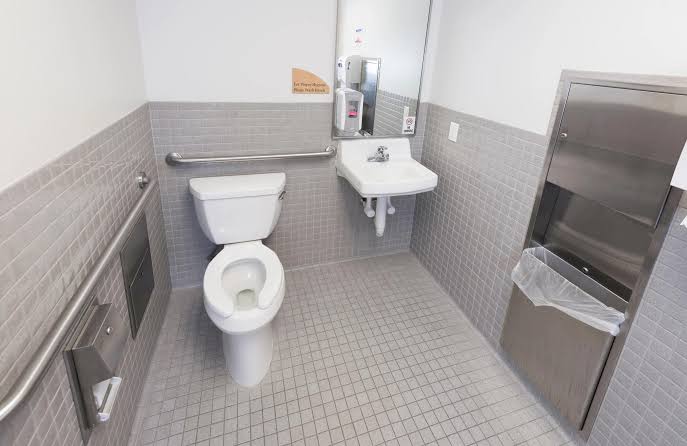
The open-front design can also improve comfort for many users. The gap at the front provides additional room, making it easier for people to position themselves without unnecessary contact with the seat. This feature can be particularly helpful for individuals with limited mobility or those wearing bulky clothing during colder months. Some accessibility experts also note that the design may make restroom use more convenient for a wider range of body types. Although many people are more familiar with closed-front seats at home, the open-front version was developed specifically for public environments where practicality often takes priority over appearance.
Built to Handle Heavy Use
Public restroom equipment must withstand constant use every day. U-shaped seats are typically manufactured from durable materials designed to resist cracking, stains, scratches, and frequent cleaning with strong disinfectants. Many commercial toilet seats are made from heavy-duty plastic or molded materials that can endure years of daily use without needing frequent replacement. This durability helps reduce maintenance costs while ensuring that facilities remain safe and functional for visitors.
A Simple Design With Important Benefits
At first glance, an open-front toilet seat may seem like an odd design choice, but its purpose becomes clear when considering the demands placed on public restrooms. Hygiene, easier cleaning, user comfort, durability, and maintenance efficiency all played a role in the development of this practical design. While most people never think twice about the shape of a public toilet seat, it represents years of practical planning aimed at improving cleanliness and convenience in shared spaces. The next time you visit a public restroom, you’ll know that the U-shaped seat isn’t simply a design quirk. Instead, it’s a carefully considered feature intended to make public facilities more hygienic, easier to maintain, and more comfortable for the millions of people who use them every day.