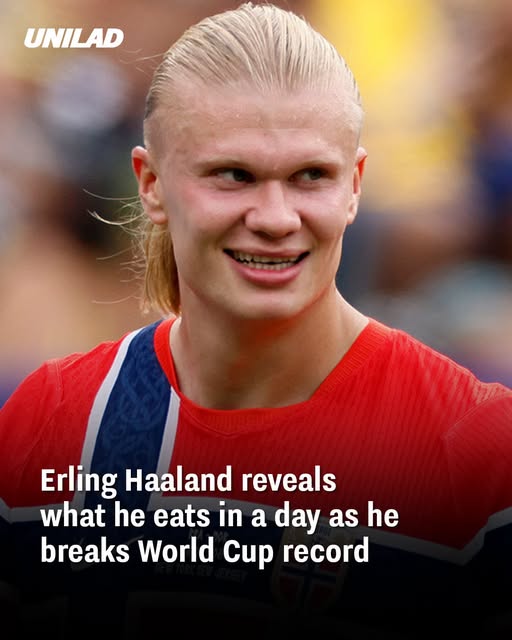
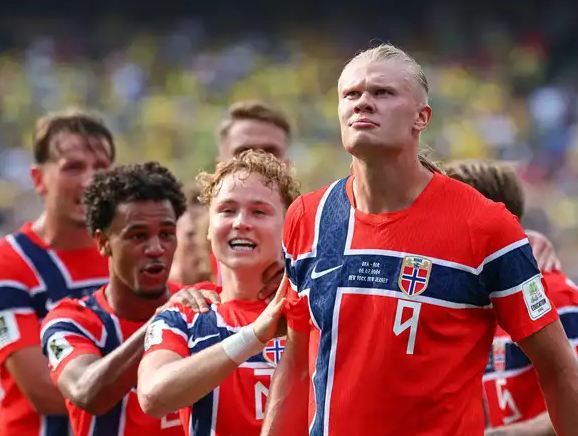
Norwegian striker Erling Haaland has become one of the biggest stars of the 2026 FIFA World Cup, not only because of his incredible goal-scoring ability but also because of the unique lifestyle that helps him perform at the highest level. While most football fans admire his strength, speed, and finishing, many are equally fascinated by what he eats every day to fuel his body.
Unlike many professional athletes who rely heavily on supplements and processed sports nutrition, Haaland follows a food-first philosophy built around natural ingredients. His daily intake reportedly reaches around 6,000 calories, nearly twice what an average adult consumes, allowing him to recover from demanding training sessions and maintain his explosive power throughout the season.
Starting the Day With Simple Foods
Haaland’s morning routine begins with hydration, coffee, and exposure to natural sunlight before breakfast. His first meal is designed to provide long-lasting energy without relying on heavily processed foods. Breakfast often includes fresh eggs, sourdough bread, local honey, and raw milk. These foods supply a combination of protein, healthy fats, and carbohydrates that help prepare his body for training. The football star has spoken in the past about preferring simple, high-quality ingredients instead of products filled with artificial additives. His approach reflects a belief that consistent nutrition plays a major role in athletic performance.
Protein Takes Center Stage
Perhaps the most talked-about part of Haaland’s diet is his enormous protein intake. Throughout the day, he eats several servings of beef, with steaks appearing regularly on the menu. He also includes nutrient-rich organ meats such as liver and heart, foods that are packed with iron, vitamin B12, zinc, and other essential nutrients. While organ meats are not popular with everyone, they have long been valued in traditional diets because of their impressive nutritional profile. Haaland believes these foods help support recovery and muscle development after intense physical activity. Fish, including salmon and sea bass, is another important part of his meal plan, providing omega-3 fatty acids that support heart health and reduce inflammation.
Eating Enough to Match His Training
Consuming 6,000 calories every day is no easy task. Haaland reportedly spreads his food across multiple meals instead of eating only breakfast, lunch, and dinner. This steady intake helps maintain his energy levels during training sessions, matches, strength workouts, and recovery exercises. Professional footballers burn thousands of calories every week, especially during major tournaments where recovery time between matches is limited. His disciplined eating habits are carefully matched to his demanding fitness routine, allowing him to maintain his powerful physique without sacrificing speed or endurance.
Recovery Is Just as Important
Nutrition is only one piece of Haaland’s preparation. He is known for placing enormous importance on sleep, hydration, recovery treatments, and consistent daily routines. Ice baths, stretching, physiotherapy, and proper rest all work alongside his carefully planned diet to keep his body performing at its best. Experts often point out that elite athletes benefit most from combining good nutrition with quality sleep and recovery rather than relying on a single factor alone. Haaland’s routine reflects this balanced philosophy.

Discipline Behind the Success
While Haaland’s diet may sound extreme to most people, it is specifically designed for one of the world’s most physically demanding professions. His calorie intake supports hours of training, strength work, recovery sessions, and high-intensity matches that place enormous stress on his body. Most nutritionists agree that the average person should not attempt to copy such a diet without professional guidance, as calorie needs vary greatly depending on age, body size, activity level, and overall health. For Haaland, however, every meal serves a purpose. His commitment to nutrition, combined with relentless training and disciplined recovery habits, has helped turn him into one of football’s most dominant forwards and one of the standout performers at the 2026 FIFA World Cup.