Whenever world leaders travel abroad for major international meetings, security teams spend weeks or even months preparing for every possible scenario. From transportation routes to food safety and communications, nearly every detail is carefully reviewed to reduce potential risks.
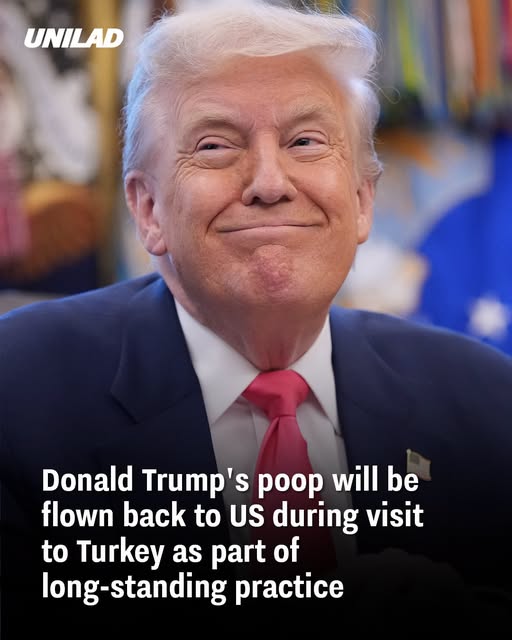
During reports surrounding President Donald Trump’s visit to the NATO summit in Ankara, one particular security measure attracted widespread public attention because of how unusual it appeared. Although many people were surprised by the claim, security experts say that protecting sensitive information often involves precautions that the general public rarely considers.
Why Personal Items Can Become Security Concerns
Modern intelligence agencies evaluate far more than physical threats. Everyday objects that most people throw away without a second thought can sometimes become items of interest if they might reveal medical, biological, or personal information about a protected individual. Because of this possibility, security teams responsible for high-profile leaders may choose to carefully manage the disposal of personal waste while traveling. Such procedures are designed to prevent unauthorized access to materials that could potentially be analyzed or exploited. While these practices may sound unusual, they are part of a broader strategy aimed at limiting every possible security vulnerability, no matter how unlikely it may seem.
Security Extends Beyond Bodyguards
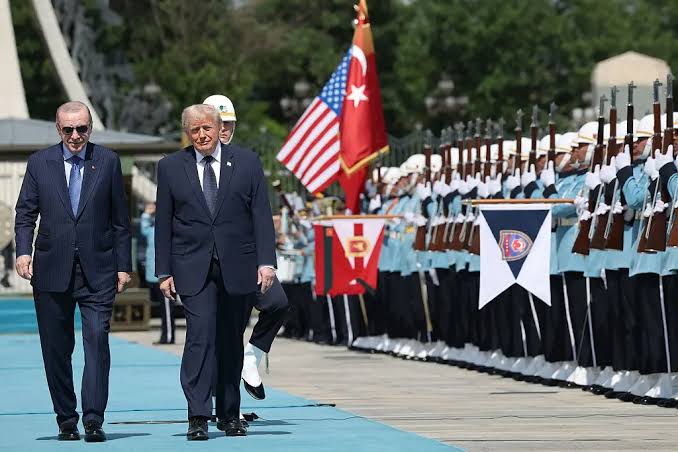
Many people associate presidential security with armored vehicles, heavily armed agents, and secure hotels. However, modern protective operations involve much more than visible security personnel. Before a leader arrives in another country, advance teams inspect hotels, meeting venues, hospitals, communication systems, and emergency evacuation routes. Food preparation may also be closely monitored, and medical staff remain available throughout the visit. Waste management, secure transportation, and protection of personal belongings can all become part of the overall security plan. Every procedure is intended to reduce opportunities for intelligence gathering or interference.
Public Reaction to the Reports
News of the reported sanitation protocol quickly spread across social media, where many users reacted with surprise, amusement, and curiosity. Some questioned whether such extensive precautions were truly necessary, while others argued that protecting the president requires planning for even the smallest risks. Security professionals note that unusual procedures often sound excessive when viewed without context. However, the individuals responsible for protecting national leaders are trained to prepare for highly unlikely situations, especially during international visits involving numerous foreign governments. Although many aspects of presidential protection remain confidential, occasional reports provide a glimpse into the complexity of these operations.
Intelligence and Privacy Go Hand in Hand
Protective services increasingly recognize that personal information can be valuable to hostile actors. Advances in technology have made it easier to analyze biological materials and gather detailed information that was once impossible to obtain.that reason, agencies responsible for safeguarding presidents, prime ministers, and other senior officials frequently update their protocols to reflect changing threats. Even seemingly routine activities may be handled differently during overseas visits than they would be at home. Experts say these measures are less about secrecy for its own sake and more about minimizing opportunities for intelligence collection.
A Reminder of Modern Security Challenges
The reports from Ankara highlight how much presidential security has evolved in recent decades. Today’s protective strategies extend far beyond guarding entrances or escorting motorcades through city streets. Instead, security planning now considers digital threats, biological information, privacy concerns, and intelligence risks alongside traditional physical protection. While some precautions may appear unusual to the public, they reflect the increasingly sophisticated challenges faced by those responsible for protecting world leaders. As international diplomacy continues to bring global leaders together, security operations are expected to remain comprehensive, adapting to new technologies and emerging risks while striving to ensure that important meetings take place safely and without disruption.