
A doctor has highlighted one simple morning habit that may support long-term brain health and potentially help reduce the risk of developing dementia. According to the health expert, what people choose to do during the first 30 minutes after waking up can have a meaningful impact on their overall wellbeing. Rather than immediately reaching for a smartphone or remaining inactive, the recommendation is to spend time outdoors in natural daylight whenever possible.
While this single habit cannot prevent dementia on its own, experts say it may contribute to healthier sleep patterns, improved cognitive function, and better brain health when combined with other healthy lifestyle choices.
Why Morning Sunlight Matters
Exposure to natural light shortly after waking plays an important role in regulating the body’s internal clock, also known as the circadian rhythm. This biological system helps control when people feel awake, alert, and ready for sleep. Consistent exposure to morning daylight signals to the brain that it is time to begin the day’s natural cycle. Researchers have found that maintaining a healthy circadian rhythm is linked to improved sleep quality, mood, hormone regulation, and cognitive performance. Sleep itself is considered one of the key factors in maintaining brain health, as it allows the brain to perform important restorative processes that occur overnight.

The Link Between Sleep and Brain Health
Scientists have increasingly focused on the relationship between poor sleep and the development of dementia. Although researchers continue to study the connection, evidence suggests that long-term sleep disruption may increase the risk of cognitive decline later in life. During deep sleep, the brain helps clear waste products that naturally accumulate throughout the day. Some researchers believe this cleaning process may play an important role in protecting brain cells over time. By improving sleep quality through regular exposure to morning light, people may be supporting one of the body’s natural mechanisms for maintaining healthy brain function. Experts stress, however, that dementia is a complex condition influenced by many different genetic, environmental, and lifestyle factors.
Healthy Habits That May Reduce Risk
Medical professionals emphasize that no single activity can completely prevent dementia. Instead, they recommend focusing on a combination of healthy habits that support both the brain and the cardiovascular system. Regular physical activity, a balanced diet rich in fruits and vegetables, maintaining a healthy blood pressure, avoiding smoking, limiting excessive alcohol consumption, staying mentally active, and maintaining strong social connections have all been associated with better cognitive health. Managing chronic conditions such as diabetes and high cholesterol may also reduce risk by protecting blood vessels that supply the brain. Morning sunlight can complement these habits by helping establish a consistent daily routine and promoting restorative sleep.
Small Changes Can Make a Difference
Health experts often encourage people to begin with simple lifestyle changes that are easy to maintain over time. Stepping outside for 15 to 30 minutes after waking, taking a short morning walk, or simply sitting near natural sunlight can all provide beneficial light exposure. At the same time, limiting screen use immediately after waking may help reduce distractions and encourage a healthier start to the day. Consistency is considered more important than perfection, and even modest improvements to daily routines can contribute to better overall wellbeing.
Looking After Brain Health Throughout Life
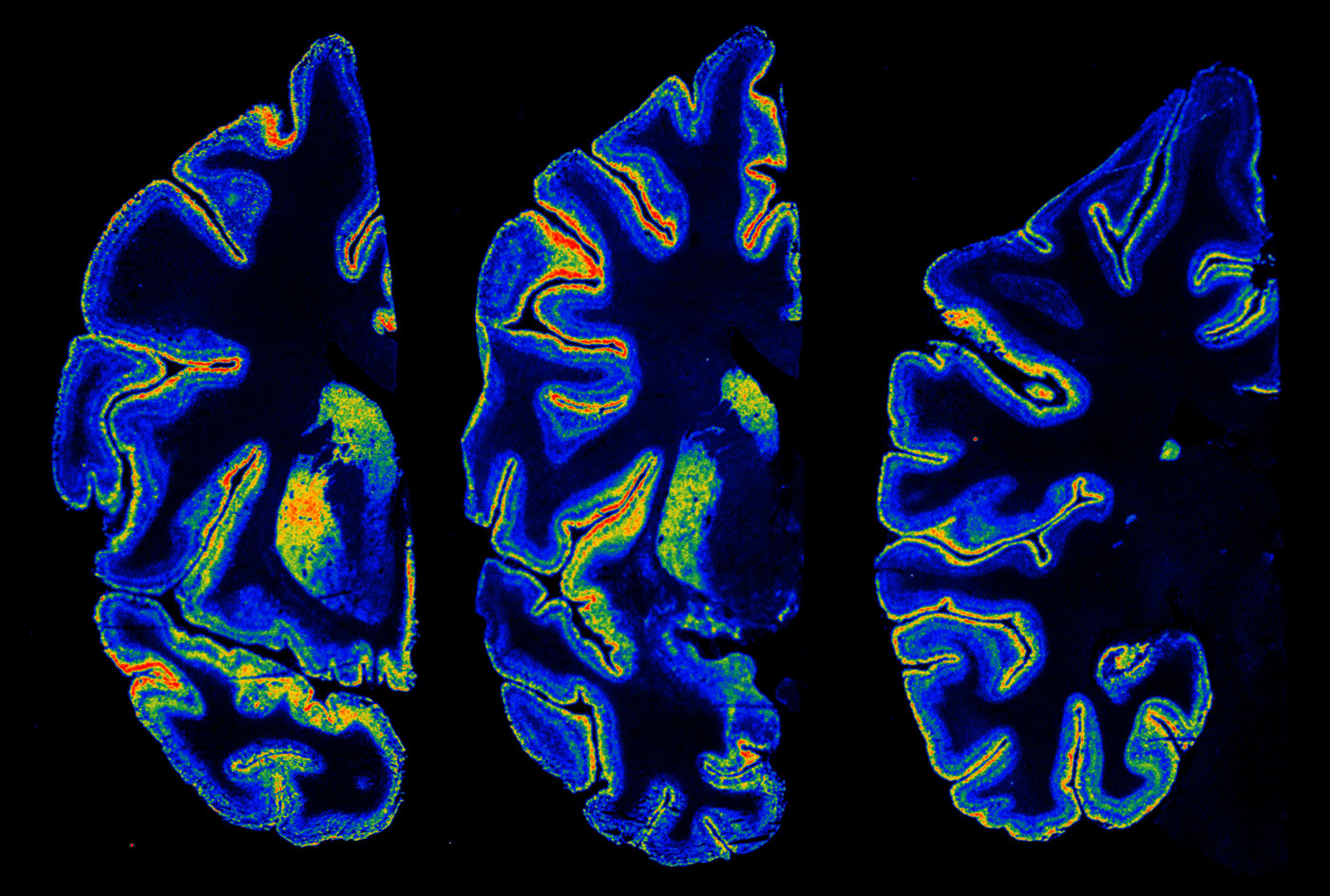
Dementia affects millions of people worldwide, and while age remains the greatest risk factor, researchers continue to identify lifestyle choices that may help support healthy aging. Experts emphasize that brain health is built over decades rather than through any single action or treatment. Establishing healthy routines, including regular exercise, nutritious eating, quality sleep, social engagement, and exposure to natural daylight, may collectively help maintain cognitive function as people grow older. Although more research is ongoing, doctors agree that caring for both physical and mental health throughout life offers the best opportunity to reduce the risk of cognitive decline and improve overall quality of life in later years.