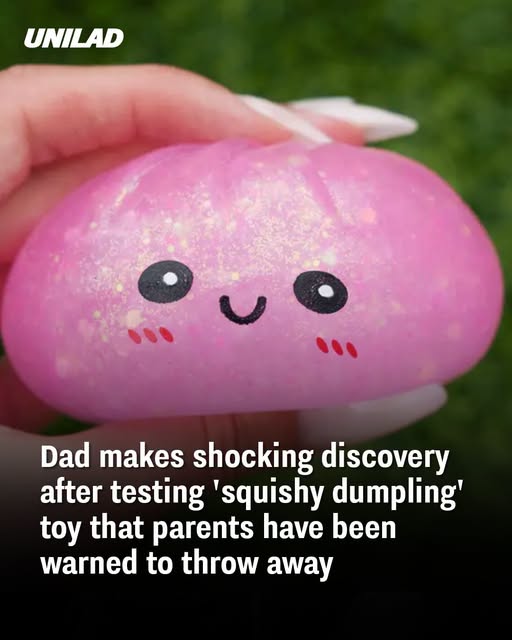
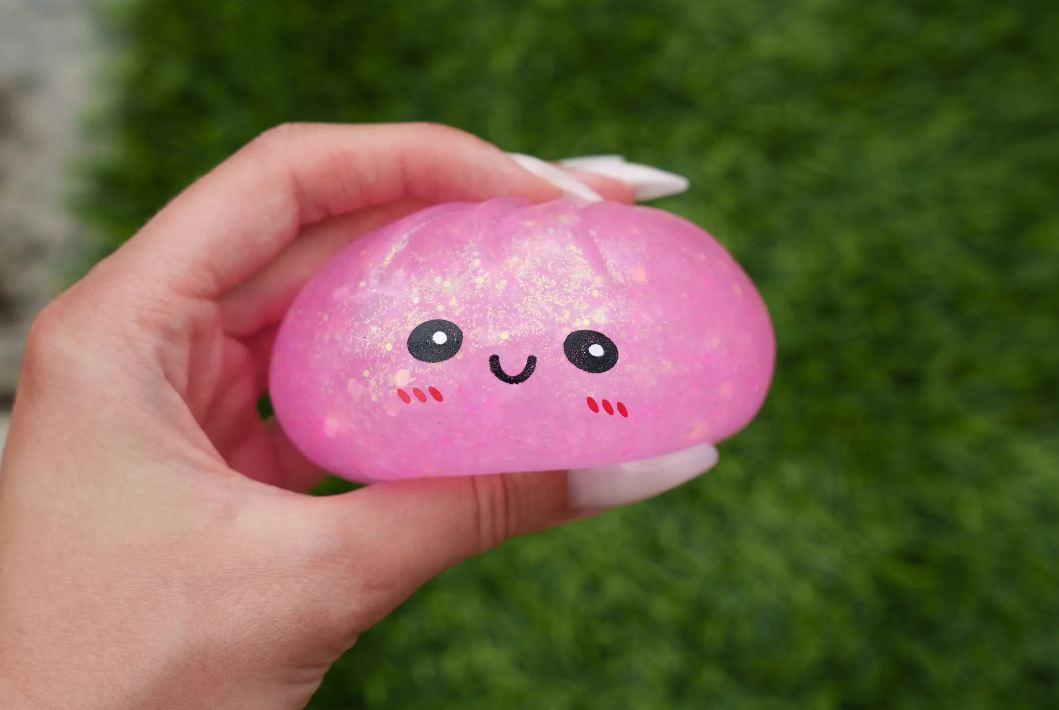
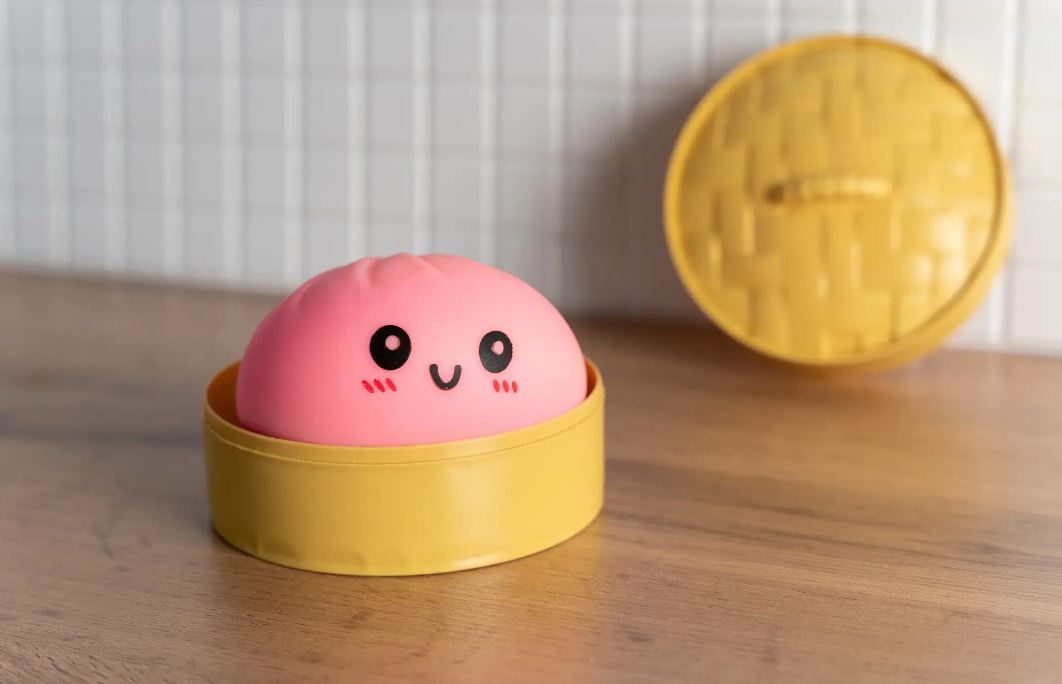
A father’s simple home experiment has sparked widespread concern after he tested a popular children’s “squishy dumpling” toy and discovered surprisingly high levels of airborne chemicals being released from the product. The toy, which has become a favorite among many children because of its soft texture and satisfying feel, recently came under scrutiny after safety officials warned parents to be cautious when purchasing certain versions of the product.
Safety Warning Issued
Concerns first emerged after authorities identified potential risks linked to some squishy dumpling toys being sold on the market. According to the warning, certain products may contain benzene, a chemical that has been associated with serious health risks when exposure occurs over time. Benzene is a widely used industrial chemical that can evaporate into the air. It is often recognized by its sweet smell and is classified as a hazardous substance. Long-term exposure has been linked to health problems, including blood-related disorders and an increased risk of certain cancers. Officials urged parents to pay close attention to the products they buy and to ensure toys are purchased from reputable retailers. They also advised consumers to be cautious if a toy gives off an unusually strong chemical odor.
A Father Decides to Investigate
After hearing about the warning, Canadian father Jordan Collinet decided to perform his own test to see whether the toys were actually releasing chemicals into the air. Using a device designed to measure volatile organic compounds (VOCs), he placed two squishy dumpling toys inside a sealed plastic bag along with the monitoring equipment. VOCs are chemicals that can easily become airborne at room temperature and may affect indoor air quality. Jordan explained that he had already noticed a strong chemical smell coming from the toys before conducting the experiment. Although he expected to detect some level of emissions, he did not anticipate the results that followed.
Surprising Test Results
As the toys remained sealed inside the bag, the VOC monitor recorded readings that Jordan described as alarming. The device measured levels far above what he typically observed in his home environment. To provide a comparison, he later measured the air quality inside his house without the toys present. Those readings were significantly lower, suggesting the toys were contributing to the elevated chemical levels detected during the experiment. Jordan shared the results online, where the video quickly attracted millions of views and generated thousands of comments from concerned parents.
Testing a Second Product
Wanting to learn more, Jordan repeated the experiment with another squishy toy from a different brand. According to him, the results were even more concerning. The second product reportedly pushed the VOC meter to its maximum measurable reading, indicating extremely high levels of airborne compounds inside the sealed test environment. While the experiment was informal and not conducted in a laboratory, the findings fueled further discussion about toy safety and the importance of product testing.
What Parents Should Know
Experts generally recommend paying attention to unusual odors coming from toys and other consumer products. A strong chemical smell can sometimes indicate the presence of substances that are evaporating into the surrounding air. Parents are encouraged to inspect toys carefully, follow age recommendations, and purchase products from trusted sellers whenever possible. If a toy emits a persistent or overpowering odor, many safety professionals advise removing it from use until its safety can be confirmed. The viral experiment has renewed attention on the importance of monitoring children’s products and ensuring that safety standards are consistently enforced. For many families, it serves as a reminder that even seemingly harmless toys deserve closer examination when concerns about chemical exposure arise.