
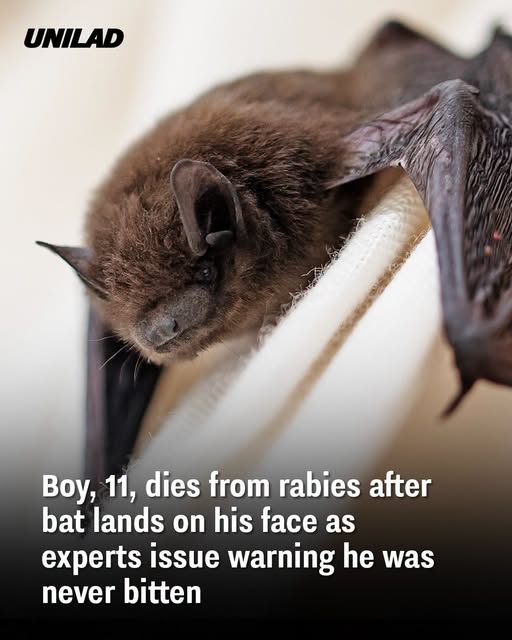
Health experts are reminding the public to take every possible precaution after the death of a young boy who contracted rabies following contact with a bat. According to reports, the child became seriously ill weeks after an encounter with the animal. Although there was no obvious bite wound, medical professionals believe he was exposed to the rabies virus through contact that may have gone unnoticed.
The heartbreaking case has prompted renewed warnings from infectious disease specialists, who stress that even minor contact with bats should never be ignored. Because bat bites can be extremely small and difficult to detect, people may not realize they have been exposed until symptoms begin to appear.
Why Bat Encounters Can Be Dangerous
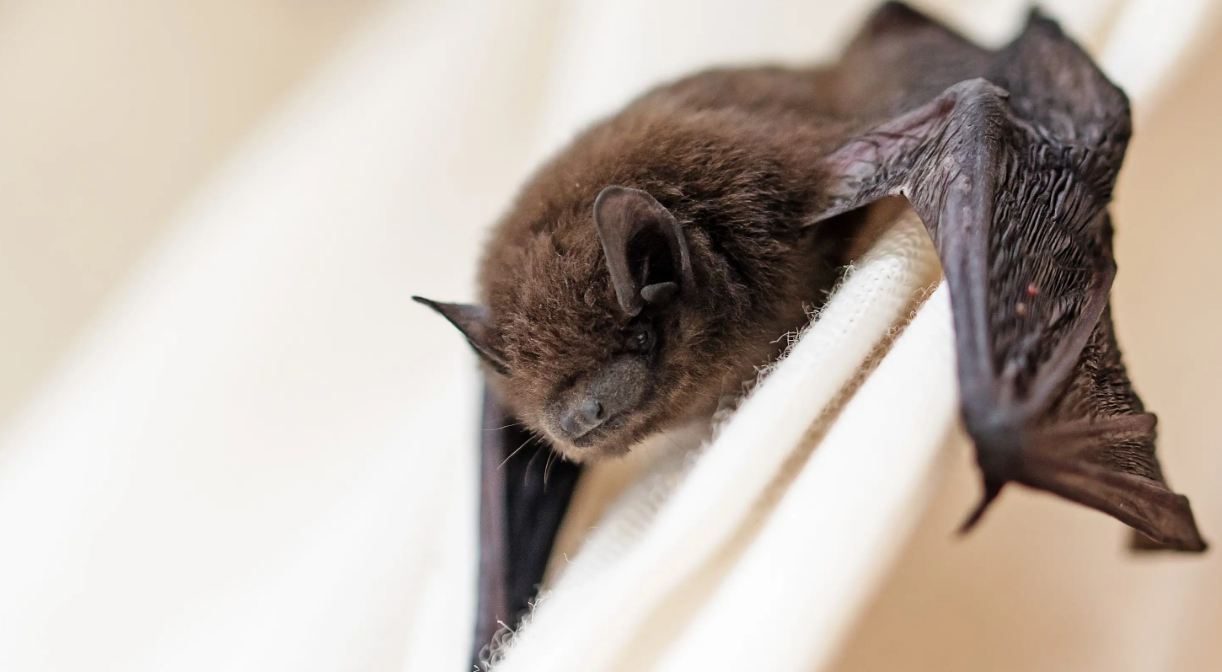
Rabies is a viral disease that attacks the central nervous system and is almost always fatal once symptoms develop. While many people associate rabies with obvious animal bites, experts explain that bat bites can be so tiny they leave little or no visible mark. In some situations, people may not even feel the bite, especially if they are asleep or distracted. For this reason, public health officials recommend treating any direct contact with a bat seriously, even if no injury is immediately visible. The virus is most commonly spread through the saliva of an infected animal, usually after a bite or scratch. Once the virus enters the body, it travels along nerves toward the brain, where it causes severe neurological damage.
Early Treatment Can Save Lives
Although rabies is one of the deadliest infectious diseases, it is also one of the most preventable when treatment begins quickly. Doctors emphasize that anyone who may have been exposed should immediately wash the affected area thoroughly with soap and water and seek emergency medical care. Healthcare providers can administer post-exposure prophylaxis, a treatment that includes rabies vaccinations and, in some cases, rabies immune globulin. When given before symptoms appear, this treatment is highly effective at preventing the disease from developing. However, once symptoms begin, there are very few successful treatment options, making early medical evaluation absolutely critical.
Symptoms May Take Weeks to Appear
One reason rabies is particularly dangerous is that symptoms often do not appear immediately. The incubation period can range from several weeks to several months, depending on factors such as the location of the exposure and the amount of virus introduced into the body. Early symptoms may resemble the flu and include fever, headache, fatigue, and general weakness. As the infection progresses, patients can develop anxiety, confusion, difficulty swallowing, muscle spasms, hallucinations, paralysis, and seizures. In advanced stages, the disease causes severe brain inflammation and is almost always fatal. Because the early symptoms are nonspecific, doctors rely heavily on a patient’s history of possible animal exposure when deciding whether preventive treatment is necessary.
What Experts Recommend
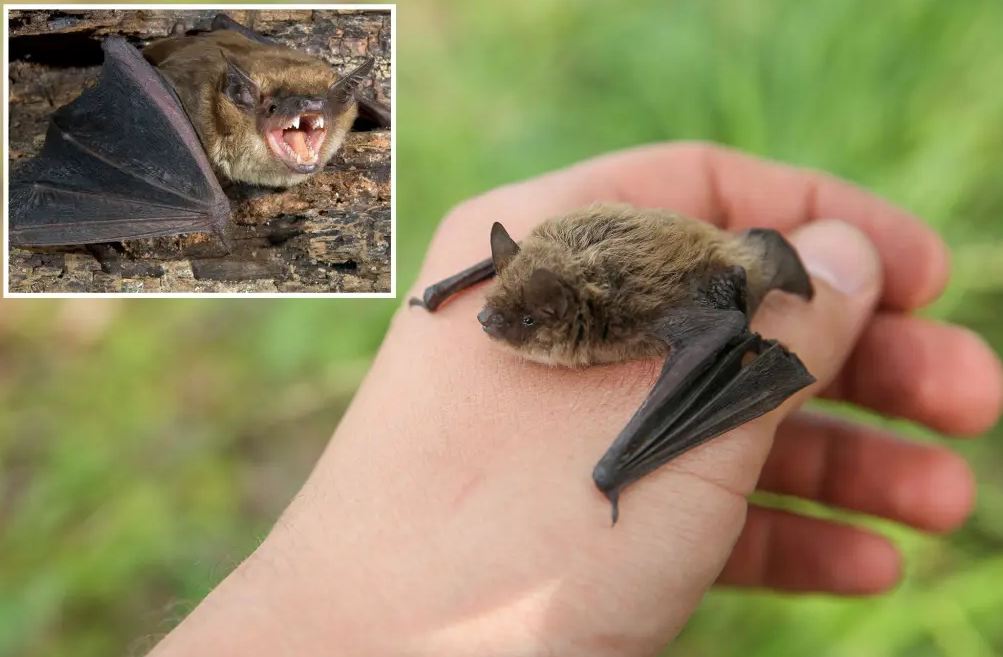
Public health specialists advise people never to touch bats or other wild animals with bare hands. If a bat is found inside a home, especially in a room where someone was sleeping, officials recommend contacting local animal control or public health authorities rather than attempting to remove it without proper protection. Parents are also encouraged to teach children not to handle injured or wild animals, even if they appear harmless. Experts note that not every bat carries rabies, but there is no reliable way for the public to determine whether an individual animal is infected. Because the consequences of missing an exposure can be so severe, medical evaluation is recommended whenever direct contact occurs.
A Reminder About Prevention
The tragic loss of the young boy has renewed awareness of the importance of acting quickly after any possible rabies exposure. Health authorities continue to emphasize that prompt medical attention can prevent the disease entirely if treatment begins before symptoms develop. While encounters with rabid animals remain relatively uncommon in many parts of the world, bats continue to be one of the most frequently identified wildlife sources of rabies in several countries. Experts hope increased awareness will encourage families to take every potential exposure seriously, seek medical advice without delay, and understand that even an unnoticed bite can have life-threatening consequences if left untreated.