
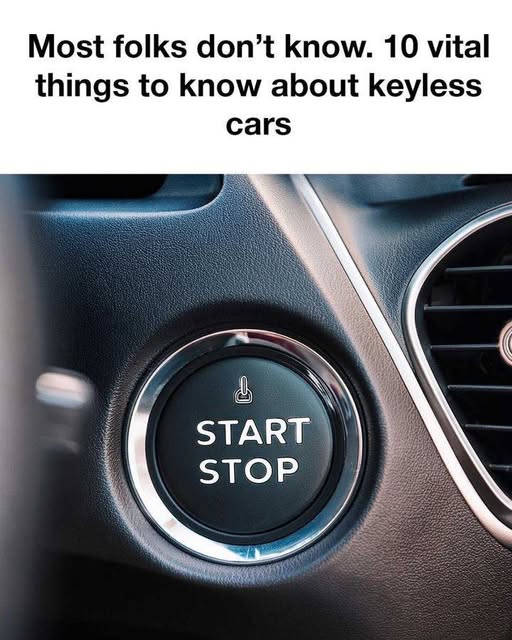
Keyless cars have become increasingly common in recent years, offering drivers a more convenient way to unlock, start, and operate their vehicles. Instead of using a traditional metal key, most modern vehicles now rely on electronic key fobs or smart systems that communicate wirelessly with the car.
This technology has changed the driving experience by allowing people to enter and start their vehicles with minimal effort. As long as the key fob is nearby, the car recognizes it and grants access automatically. While the system is designed for ease of use, it also comes with important safety and security considerations that drivers should understand.
How Keyless Entry Systems Work
Keyless entry systems use short-range radio signals to communicate between the car and the key fob. When the driver approaches the vehicle, sensors detect the signal from the fob and unlock the doors automatically. Inside the car, a similar process allows the engine to start with the push of a button, rather than turning a traditional key in the ignition. The system continuously verifies that the key fob is present inside or near the vehicle before allowing the engine to run. Some advanced models also include features such as automatic seat adjustment, personalized climate settings, and memory preferences that activate when a specific key fob is detected.

Benefits of Keyless Cars
One of the main advantages of keyless technology is convenience. Drivers no longer need to search for keys in bags or pockets, especially when their hands are full. This can be particularly useful in bad weather or busy situations. Keyless systems also contribute to a more modern and streamlined vehicle design. Without a traditional ignition slot, dashboards can be cleaner and more minimalistic. In addition, many manufacturers have integrated keyless systems with other smart features, such as remote start and mobile app control, allowing drivers to interact with their cars from a distance.
Security Concerns and Risks
Despite their advantages, keyless cars are not without risks. One of the most discussed issues is a type of theft known as “relay attack.” In this method, criminals use devices to capture and amplify the signal from a key fob inside a home, tricking the car into thinking the key is nearby. This can allow thieves to unlock and start the vehicle without physically accessing the key. As a result, some keyless vehicles have become targets for organized car theft. Manufacturers have responded by improving encryption and introducing motion-sensing key fobs that deactivate when not in use. Some systems also allow drivers to disable keyless entry when parked for long periods.
Battery and Technical Issues
Another common issue with keyless systems is battery dependency. Both the key fob and the vehicle rely on electronic power, meaning that a dead battery can prevent access or starting. Most cars include a backup method, such as a hidden physical key or a manual start procedure, but many drivers are unaware of how to use these features until they encounter a problem. Electronic interference can also occasionally affect performance, especially in areas with strong radio signals or device congestion.
Tips for Staying Safe and Prepared
Experts recommend several simple steps to reduce risks associated with keyless cars. Storing key fobs in signal-blocking pouches, often called Faraday bags, can help prevent relay attacks. Parking in well-lit or secure areas and keeping vehicles in garages when possible also reduces the risk of theft. Regularly checking key fob batteries ensures that drivers are not caught off guard by sudden failure. It is also important for drivers to familiarize themselves with their vehicle’s emergency access procedures, so they know how to operate the car manually if needed.
A Technology That Continues to Evolve
Keyless car systems represent a significant step forward in automotive innovation, combining convenience with advanced digital communication. However, like many technologies, they require users to stay informed about both their benefits and limitations. As manufacturers continue to improve security features and reliability, keyless entry is likely to become even more widespread. For drivers, understanding how the system works and taking simple precautions can ensure a safer and smoother driving experience in the modern automotive world.