
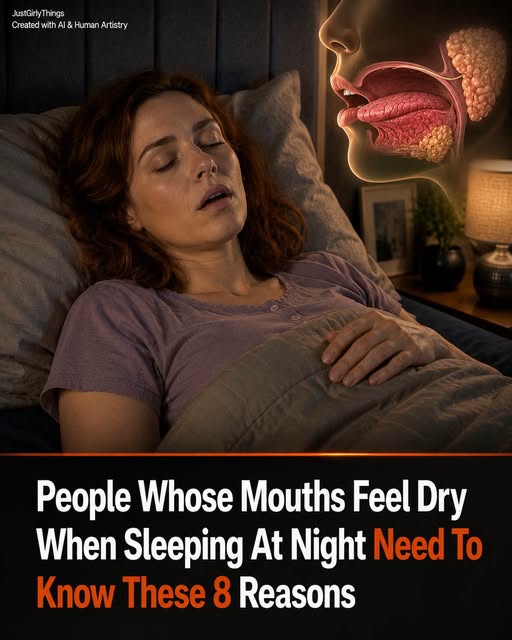
Waking up with a dry, sticky mouth is a common experience, and in many cases it is nothing to worry about. Saliva production naturally decreases while you sleep, so your mouth can feel drier when you wake. However, persistent nighttime dryness can also be linked to habits, medications, breathing problems or certain health conditions. Understanding what is causing the problem can make it easier to find a solution. Here are eight possible reasons you may regularly wake up feeling unusually thirsty or find that your mouth is extremely dry.
1. You Are Not Drinking Enough Water
Dehydration is one of the simplest explanations for waking up thirsty. If you have not consumed enough fluids during the day, your body may have less water available overnight. Heavy sweating, exercise, illness or spending time in hot weather can increase your fluid needs. Drinking water regularly throughout the day is generally more helpful than trying to consume a large amount immediately before going to bed.

2. You Sleep With Your Mouth Open
Mouth breathing can quickly dry out the tissues inside your mouth. This may happen because of nasal congestion, allergies, a blocked nose or simply sleeping with your mouth open. People who snore frequently may also notice that they wake with a dry mouth or sore throat because air is repeatedly moving through the mouth during sleep.
3. Certain Medications Can Cause Dryness
A surprisingly large number of medications can reduce saliva production or contribute to dry mouth. These include some medicines used for allergies, blood pressure, depression and other conditions. If your dry mouth began after starting a new medication, check its information leaflet or speak with a healthcare professional. Medication should not be stopped or changed without professional advice.
4. Your Bedroom Air Is Too Dry
The environment where you sleep can also make a difference. Dry indoor air, particularly when heating or air conditioning is running, may contribute to dryness of the mouth and throat. A humidifier may help some people, especially during periods when the air inside the home is particularly dry. Keeping water nearby can also make it easier to take small sips if you wake during the night.
5. You Drink Alcohol or Too Much Caffeine
Alcohol and caffeine can contribute to feelings of dryness. Having several caffeinated drinks or consuming alcohol later in the day may leave you feeling thirstier when you wake. Reducing these beverages, particularly close to bedtime, may help determine whether they are contributing to the problem. Mayo Clinic also recommends limiting caffeine for people experiencing dry mouth.
6. Nasal Congestion Is Making You Breathe Through Your Mouth
A stuffy nose can force you to rely more heavily on mouth breathing while asleep. Colds, allergies, sinus problems and other causes of nasal congestion can therefore leave your mouth feeling extremely dry by morning. Addressing the underlying nasal problem may reduce the need to breathe through your mouth and improve nighttime comfort.
7. Sleep Apnea Could Be Involved
Regularly waking with a dry mouth can sometimes occur alongside sleep apnea, a condition in which breathing repeatedly stops and starts during sleep. Dry mouth alone does not mean that someone has sleep apnea. However, persistent dryness combined with loud snoring, witnessed pauses in breathing, morning headaches, nighttime awakenings or significant daytime sleepiness deserves medical attention.
8. An Underlying Health Condition May Be Responsible
Persistent dry mouth can occasionally be associated with an underlying medical condition. Diabetes, for example, can cause increased thirst and dry mouth, particularly when blood sugar levels are high. Other illnesses can also affect saliva production. If the problem continues despite adequate hydration and simple lifestyle changes, discussing it with a healthcare professional can help identify the underlying cause.
How to Reduce Nighttime Dryness
Several simple measures may help. Sip water regularly throughout the day, consider using a humidifier if your bedroom air is dry, and address nasal congestion that causes mouth breathing. Sugar-free chewing gum or sugar-free sweets can also stimulate saliva production while you are awake. Avoiding alcohol-containing mouthwashes may be helpful because they can increase dryness.

When You Should Get It Checked
Occasional morning dryness is usually not alarming. However, persistent symptoms should not simply be ignored, particularly if they occur alongside excessive thirst, frequent urination, loud snoring, breathing interruptions, difficulty swallowing or significant daytime tiredness. A healthcare professional or dentist can help determine whether medications, dehydration, mouth breathing, reduced saliva production or another condition is responsible. A dry mouth may seem like a minor annoyance, but when it happens regularly, it can be your body’s way of signaling that something deserves closer attention.