
Many people believe that turning off an appliance means it stops using electricity altogether. In reality, that is not always the case. Numerous household devices continue to consume small amounts of power even when they appear to be switched off. This phenomenon, often called standby power or phantom energy, can quietly increase electricity bills over time.
While the amount of electricity used by a single device is usually minimal, the combined effect of multiple electronics plugged in around the clock can become noticeable over the course of a year. Understanding which appliances continue drawing power and knowing when unplugging them makes sense can help homeowners reduce unnecessary energy consumption.
What Is Standby Power?
Standby power refers to the electricity consumed by electronic devices while they are not actively being used but remain plugged into a power outlet. Many modern appliances stay partially powered so they can respond instantly when you press a remote control, display a digital clock, maintain Wi-Fi connectivity, or preserve saved settings.
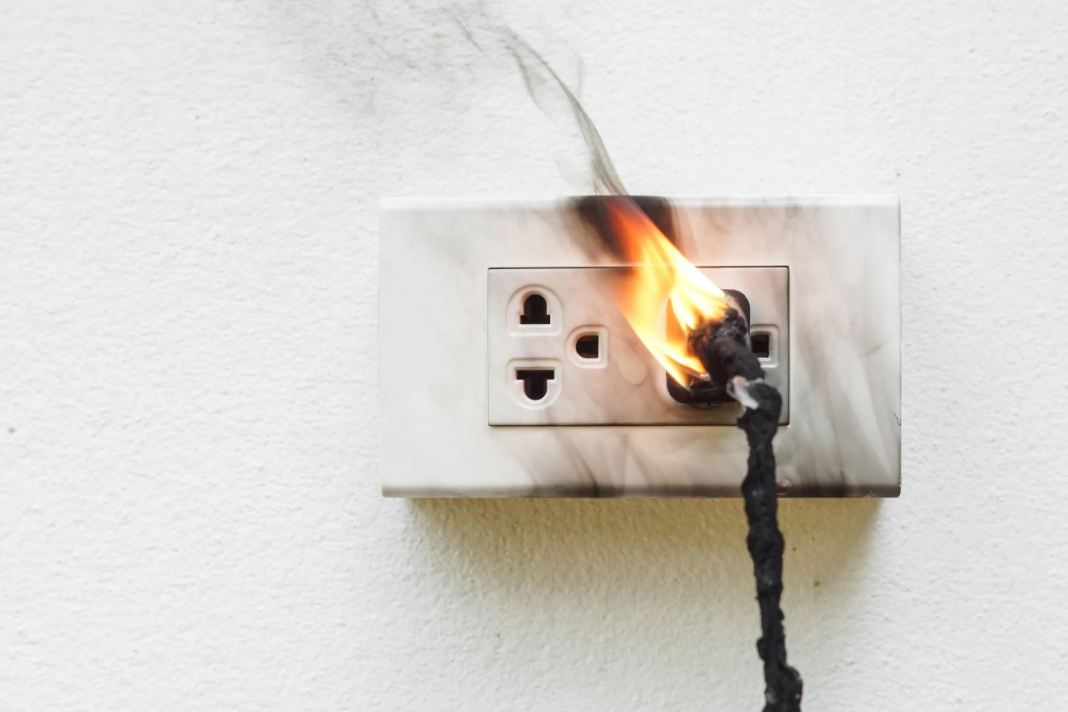
Common examples include:
Televisions
Gaming consoles
Cable and satellite boxes
Coffee makers with digital clocks
Microwaves
Desktop computers and monitors
Phone and laptop chargers left plugged in
Smart speakers
Printers
Although each device may use only a few watts, dozens of electronics operating in standby mode every day can add up.
How Much Money Can You Actually Save?
The amount you can save depends on the number of appliances in your home, local electricity prices, and the efficiency of your electronics. Older devices generally consume more standby power than newer energy-efficient models. Many modern appliances are designed to minimize energy use when idle, but some equipment—particularly entertainment systems and older electronics—may still use a surprising amount. For many households, eliminating unnecessary standby power can reduce annual electricity consumption by a modest but worthwhile amount. While unplugging everything won’t dramatically cut your utility bill, every small reduction contributes to lower energy costs over time.
Which Appliances Are Worth Unplugging?
Not every appliance needs to be unplugged after each use. Some devices consume so little standby electricity that the savings would be minimal.
However, unplugging can be beneficial for:
Phone chargers when not charging a device
Small kitchen appliances used occasionally
Gaming consoles during extended periods of inactivity
Desktop computer accessories
Space heaters when not in use
Holiday decorations after the season ends
On the other hand, refrigerators, freezers, internet routers, medical equipment, and home security systems should generally remain plugged in because they need continuous power to function properly.
Power Strips Make the Job Easier
Instead of unplugging several devices one by one, many homeowners use power strips with built-in switches. These allow multiple electronics to be disconnected from electricity with a single button. Smart power strips offer an even more convenient option. Some models automatically cut power to accessories when a primary device, such as a television or computer, is turned off. This helps reduce standby energy use without requiring constant attention. Using power strips can also help protect electronics from electrical surges, providing an additional benefit beyond energy savings. Reducing standby power is only one part of improving energy efficiency. Larger savings often come from everyday habits such as using LED light bulbs, choosing energy-efficient appliances, adjusting heating and cooling systems wisely, washing clothes with cold water when appropriate, and improving home insulation. Running full loads in dishwashers and washing machines, maintaining HVAC systems, and replacing old appliances with energy-efficient models can also significantly reduce overall electricity consumption.
Small Changes Can Add Up
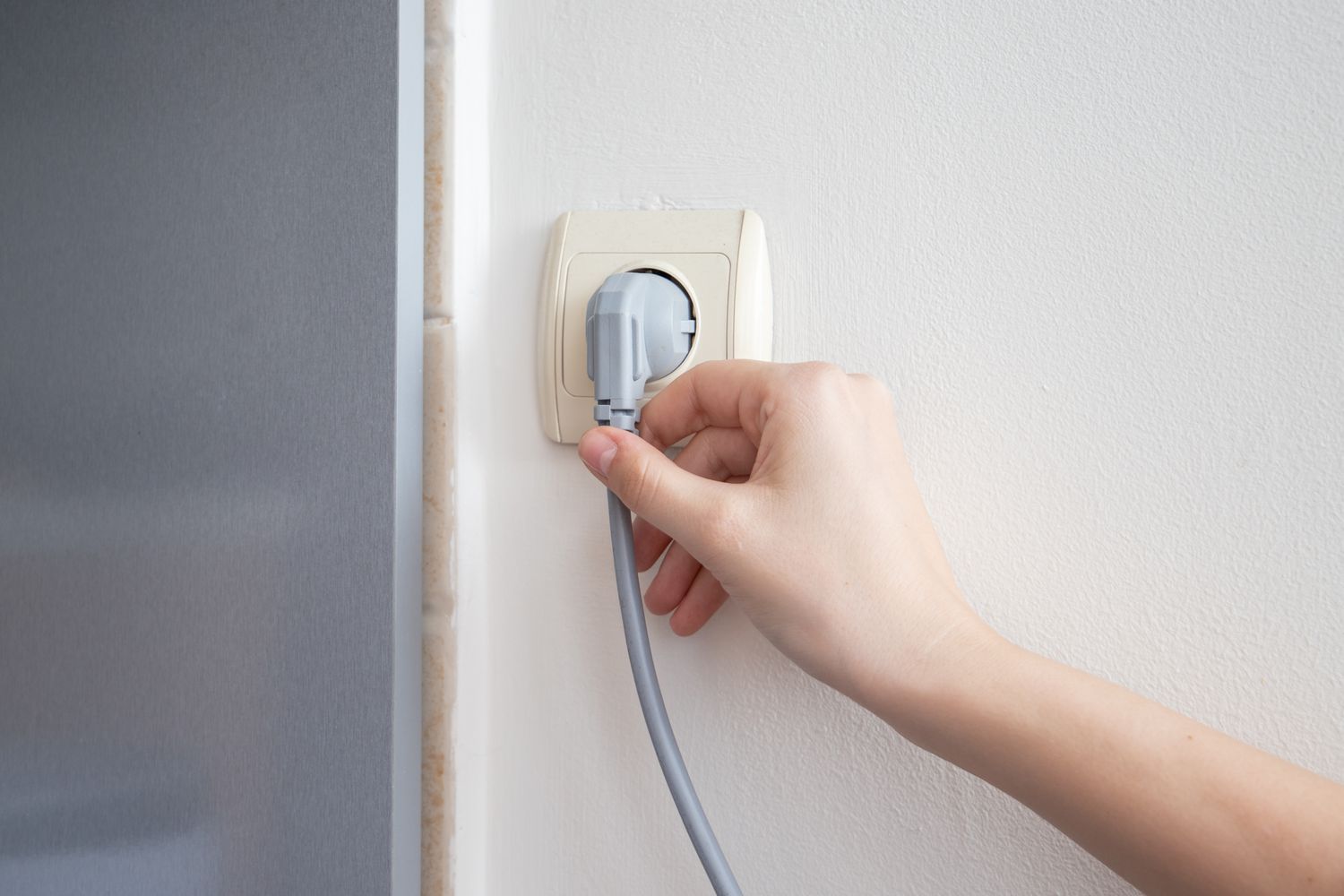
Unplugging appliances won’t instantly cut your electricity bill in half, but it can help eliminate unnecessary energy waste. The biggest benefits come from targeting devices that draw noticeable standby power and combining that habit with other energy-saving practices throughout the home. By becoming more aware of how electricity is used—even when appliances appear to be off—you can make informed choices that reduce both energy consumption and household expenses. While the savings from each individual device may seem small, the cumulative effect over months and years can make a meaningful difference, benefiting both your budget and the environment.