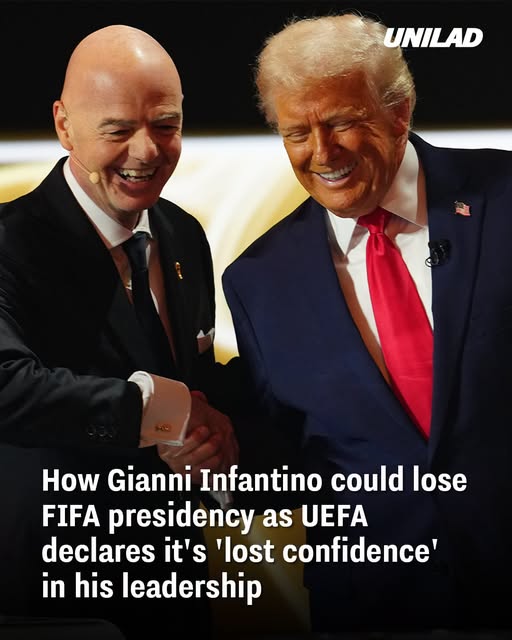
Gianni Infantino is facing one of the biggest challenges of his time as FIFA president after UEFA publicly declared that it has lost confidence in his leadership. The statement follows days of intense controversy surrounding FIFA’s proposal to sell a minority stake in the commercial rights of the FIFA World Cup and several other international competitions to private investors.
Although FIFA eventually abandoned the proposal, the decision did little to calm growing frustration among football’s governing bodies. Instead, many officials believe the episode has exposed deeper concerns about transparency, decision-making, and governance within the organization. The situation has created uncertainty about Infantino’s future, with some football leaders questioning whether he can continue leading the world’s biggest sporting organization.
The Proposal That Sparked a Global Backlash
The controversy began when FIFA introduced plans to establish a new commercial company that would manage valuable tournament rights, including the World Cup. The proposal reportedly involved selling a minority share of that business to private investment firms in a deal believed to be worth around $20 billion. Supporters argued that the investment would generate enormous financial resources that could be distributed across football development worldwide. However, critics feared the plan would allow outside investors to influence some of football’s most valuable assets while placing commercial interests ahead of the sport itself. Many football associations also claimed they were not properly consulted before the proposal was presented, leading to widespread criticism from several confederations.
UEFA Loses Confidence
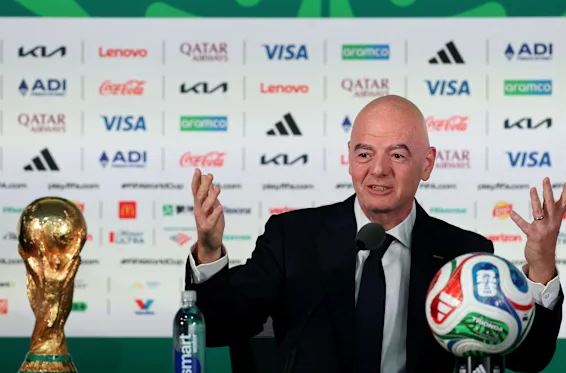
UEFA reacted with unusually strong language after FIFA withdrew the proposal. European football’s governing body said the issue was no longer just about the investment plan itself but about the way FIFA’s leadership had handled the entire process. Officials argued that football’s future should be shaped through open discussion and cooperation rather than private negotiations. UEFA also called for a comprehensive review of FIFA’s governance and decision-making structures to restore confidence among member associations. The public criticism represents one of the strongest challenges Infantino has faced since becoming FIFA president in 2016.
Can Infantino Be Removed?
Despite the growing criticism, Gianni Infantino remains FIFA president. There has been no official vote to remove him, and he continues to hold office. However, FIFA’s rules provide several possible scenarios under which a president could lose the position. One possibility would be a successful vote of no confidence if enough member associations supported such a move. Another would be losing support ahead of the next presidential election, allowing another candidate to replace him through a democratic vote. A third possibility would be voluntary resignation, although there has been no indication that Infantino intends to step down. For now, these remain possibilities rather than immediate outcomes.
Growing Calls for Reform
The failed investment proposal has united several football organizations that rarely speak with one voice. Alongside UEFA, other confederations have also called for greater transparency, improved governance, and more accountability within FIFA. Many officials believe the organization must rebuild trust by ensuring that major decisions are discussed openly with member associations before they are announced publicly. The controversy has also highlighted the importance of balancing commercial opportunities with the traditions and values that many believe should remain at the heart of international football.
What Happens Next?
Attention will now turn to FIFA’s leadership over the coming months as member associations evaluate how the organization responds to the criticism. Infantino still enjoys support from many national football federations, and that backing could prove enough to keep him in office. However, the recent events have clearly weakened his political position and encouraged discussions about possible alternatives in future elections. Potential challengers have already been mentioned by football commentators, although no official candidates have announced plans to contest the presidency. The coming months are expected to be crucial as FIFA works to repair relationships with its member associations and restore confidence in its leadership.
A Defining Moment for FIFA
The collapse of the World Cup investment proposal has become far more than a failed commercial initiative. It has evolved into a debate about leadership, accountability, and the future direction of world football. Whether Gianni Infantino remains FIFA president or eventually faces a serious leadership challenge will depend on how successfully he can rebuild trust among football’s governing bodies. For now, football’s global leadership finds itself under intense scrutiny, and decisions made in the months ahead could shape FIFA’s future for years to come.