

Getting enough sleep is essential for maintaining physical and mental well-being, but the position you sleep in can also influence how rested you feel when you wake up. While many people naturally settle into their favorite sleeping posture without much thought, researchers have found that different positions may affect breathing, digestion, spinal alignment, and overall comfort.
There is no single sleeping position that is perfect for everyone. Age, existing health conditions, pregnancy, injuries, and personal comfort all play a role in determining which posture is most beneficial. Understanding the advantages and disadvantages of each sleeping position can help you make choices that improve both sleep quality and long-term health.
The Benefits of Sleeping on Your Left Side
Sleeping on the left side is often recommended for people with certain digestive issues. This position may help reduce symptoms of acid reflux by allowing stomach contents to remain below the esophagus, making nighttime heartburn less likely. Pregnant women are also frequently encouraged to sleep on their left side because it may improve blood circulation to the uterus, kidneys, and developing baby while reducing pressure on major blood vessels. This position can also help decrease swelling in the legs and feet by supporting healthy circulation. Some studies suggest that left-side sleeping may support the body’s natural drainage processes and encourage more efficient movement of waste through the digestive system. Although more research is still being conducted, many healthcare professionals recommend this position for people who experience frequent digestive discomfort.
When Sleeping on the Right Side May Help
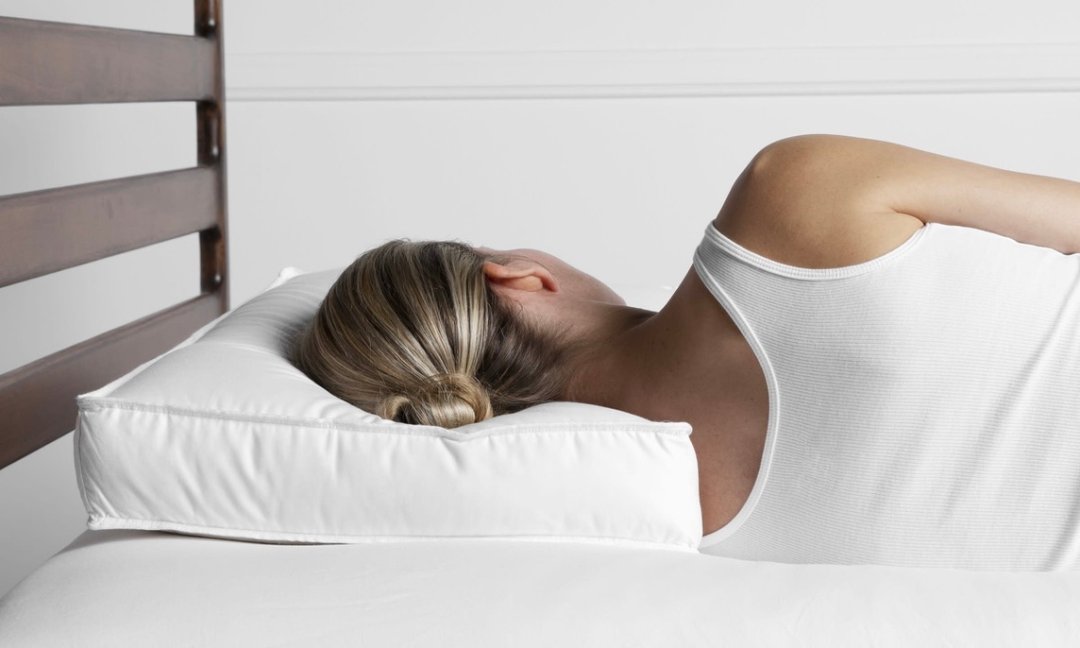
Sleeping on the right side can also be a comfortable and healthy option for many individuals. Some people naturally find this position reduces pressure on certain joints and allows them to sleep more soundly throughout the night. For individuals with specific heart conditions, healthcare providers may recommend one side over the other based on individual circumstances. Because these recommendations vary from person to person, anyone with cardiovascular disease should follow advice provided by their own medical professional rather than relying on general guidelines. Right-side sleeping may also be more comfortable for people recovering from injuries affecting one side of the body, allowing them to avoid painful pressure while sleeping.
Other Common Sleeping Positions
Sleeping on your back is often considered one of the best positions for maintaining proper spinal alignment. When supported by an appropriate pillow, this posture evenly distributes body weight and may reduce pressure on the neck and joints. However, back sleeping is not ideal for everyone. It can increase snoring and may worsen obstructive sleep apnea by allowing the tongue and soft tissues to partially block the airway. Sleeping on the stomach is generally considered the least favorable position because it places additional strain on the neck and lower back. Turning the head to one side for extended periods may contribute to stiffness, muscle tension, and discomfort upon waking.
Finding the Position That Works for You
Choosing the best sleeping position depends on your personal health needs and comfort. If you frequently wake up with neck pain, shoulder discomfort, or lower back soreness, adjusting your sleeping posture or investing in a supportive mattress and pillow may make a noticeable difference. People experiencing persistent acid reflux, sleep apnea symptoms, or chronic pain should consult a healthcare professional for individualized recommendations. Sometimes even small changes, such as placing a pillow between the knees while sleeping on the side or beneath the knees while sleeping on the back, can improve alignment and reduce pressure.

Prioritizing Quality Sleep
Ultimately, the healthiest sleeping position is one that allows you to sleep comfortably through the night while supporting your body’s individual needs. Good sleep hygiene—including maintaining a regular bedtime, limiting screen time before bed, and creating a comfortable sleeping environment—is just as important as the position you choose. By paying attention to how your body feels each morning and making gradual adjustments when necessary, you can improve sleep quality and wake up feeling more refreshed. A few simple changes to your nightly routine may have lasting benefits for your overall health and well-being.