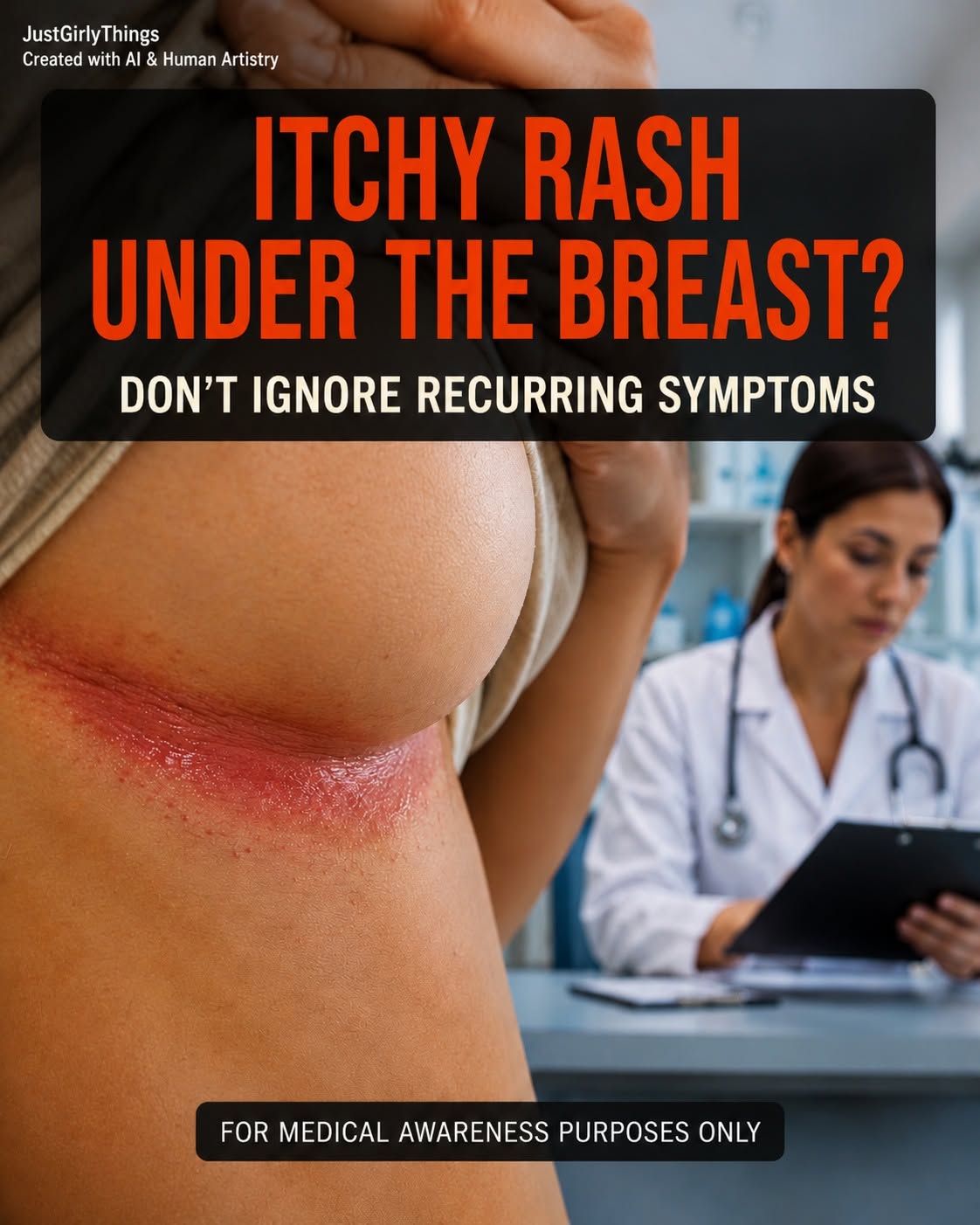
An underboob rash is a common skin condition that affects people of all ages, especially during warm weather or periods of increased sweating. The area beneath the breasts naturally traps heat and moisture, creating an environment where irritation, bacteria, and fungi can thrive. Although these rashes are often harmless, they can be uncomfortable and, if left untreated, may become more severe.
Symptoms can vary from mild redness and itching to soreness, burning sensations, small bumps, or peeling skin. In some cases, an unpleasant odor or cracked skin may develop, indicating that an infection could be present. Understanding the underlying cause is the first step toward choosing the most effective treatment and preventing future flare-ups.
Common Causes of Underboob Rashes
One of the most frequent causes is simple friction. When skin repeatedly rubs against skin or clothing, irritation can occur, particularly during exercise or hot weather. Wearing bras that do not fit properly may increase friction and make symptoms worse.
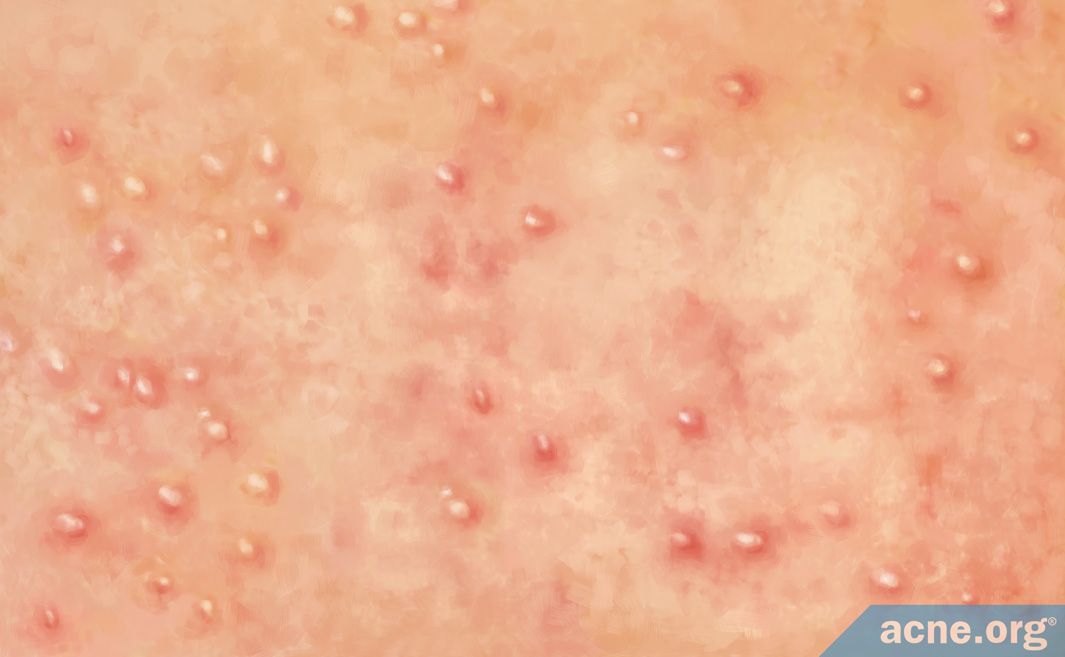
Excess moisture is another major contributor. Sweat that remains trapped beneath the breasts softens the skin and creates ideal conditions for bacteria and yeast to multiply. This often leads to a condition known as intertrigo, which commonly develops in warm, moist skin folds. Yeast infections are also a frequent cause of underboob rashes. The fungus naturally lives on the skin but can multiply rapidly in humid environments, resulting in an itchy, red rash that may include small satellite bumps around the edges. Some people develop rashes due to allergic reactions or contact dermatitis. Certain laundry detergents, scented soaps, lotions, fabrics, or even metal components in bras can trigger skin irritation in sensitive individuals. Less commonly, skin conditions such as eczema or psoriasis may appear beneath the breasts, causing persistent redness, scaling, and discomfort that often requires medical evaluation.
Natural Ways to Soothe the Skin
Keeping the affected area clean and dry is one of the simplest and most effective ways to promote healing. After bathing or exercising, gently pat the skin dry instead of rubbing it. Some people find that using a cool hair dryer on a low setting helps remove excess moisture from hard-to-reach areas. Wearing lightweight, breathable fabrics such as cotton can improve airflow and reduce sweating. Choosing a supportive bra that fits correctly helps minimize friction while allowing better ventilation throughout the day. Applying cool compresses may relieve itching and reduce inflammation. Some people also use fragrance-free moisturizers or barrier creams to protect the skin from additional irritation. Natural ingredients such as pure aloe vera gel may provide a soothing effect for mild irritation, although products should always be patch-tested first to ensure they do not worsen symptoms.
Tips for Preventing Future Rashes
Daily hygiene plays an important role in prevention. Washing the area with a gentle cleanser and drying it thoroughly can significantly reduce the buildup of moisture and bacteria. Changing out of sweaty clothing promptly after exercise is equally important. During particularly hot weather, moisture-absorbing bra liners or soft cotton pads may help keep the area dry throughout the day. Maintaining a healthy weight may also reduce skin folds and friction, lowering the likelihood of recurrent irritation. People who experience frequent episodes should monitor whether certain skincare products, detergents, or fabrics seem to trigger symptoms and avoid them whenever possible.
When to See a Healthcare Professional
Most mild underboob rashes improve within a few days with proper care. However, medical attention is recommended if the rash spreads rapidly, becomes increasingly painful, produces pus, develops an unpleasant odor, or is accompanied by fever. Persistent rashes that fail to improve after one to two weeks may require prescription antifungal, antibacterial, or anti-inflammatory medications. Recognizing early symptoms and taking simple preventive measures can greatly reduce discomfort while helping keep the skin healthy throughout the year. If symptoms continue to return despite good hygiene and preventive care, consulting a healthcare professional is the best way to identify the underlying cause and receive appropriate treatment.