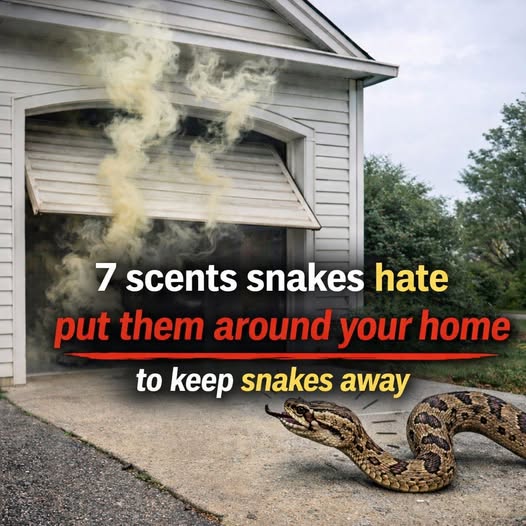
Seeing a snake near your home can be alarming, but in many cases, these reptiles are simply searching for food, water, or shelter. Snakes play an important role in nature by helping control populations of rodents and other small animals. Most species are not aggressive and prefer to avoid contact with people whenever possible.
If a yard provides everything a snake needs to survive, it may become an attractive place to explore. Tall grass, wood piles, cluttered gardens, standing water, and easy access to prey can all increase the chances of encountering one. Fortunately, a few simple changes around your property can make the area much less inviting. Rather than relying on harmful methods, many experts recommend focusing on prevention. Creating an environment that is less appealing to snakes is often the safest and most effective approach.
Keep Your Yard Well Maintained
One of the easiest ways to discourage snakes is by keeping your yard neat and tidy. Long grass, overgrown shrubs, and dense vegetation provide excellent hiding places where snakes can rest while remaining protected from predators. Mow your lawn regularly and trim bushes so there are fewer shaded areas close to your home. Remove piles of leaves, branches, and garden debris, as these can become ideal shelters for snakes and the rodents they hunt. If you store firewood, keep it neatly stacked off the ground and as far from your house as possible. Elevated wood piles reduce the number of hidden spaces where snakes may choose to hide.
Eliminate Food Sources
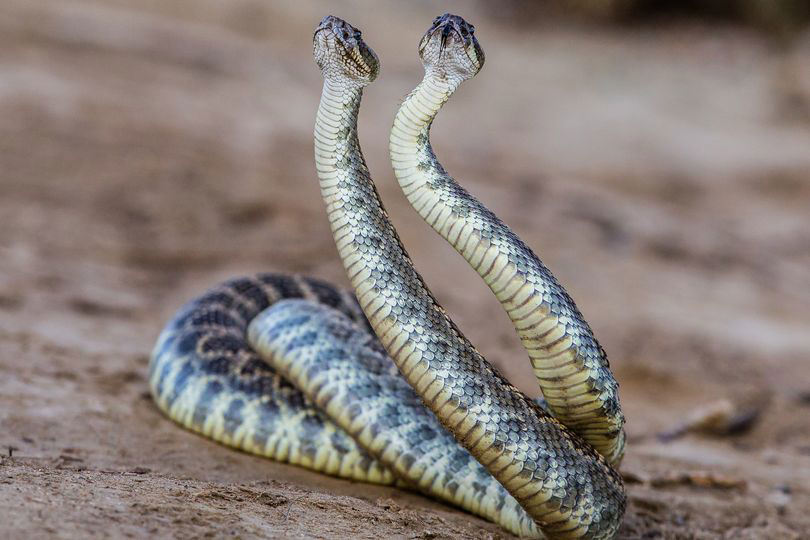
Snakes usually appear where food is plentiful. Their diet often includes mice, rats, frogs, lizards, birds, and insects. If your property attracts these animals, snakes may eventually follow. Keep garbage bins tightly closed, clean up fallen fruit from trees, and avoid leaving pet food outdoors overnight. Bird feeders can also attract rodents if spilled seeds accumulate beneath them, so sweeping the area regularly can help reduce unwanted visitors. By limiting the food available for small animals, you also reduce the likelihood of attracting snakes.
Remove Easy Access to Water
Like all wildlife, snakes need water to survive. Birdbaths, leaking outdoor faucets, clogged gutters, and standing puddles can all become convenient water sources. Inspect your property for leaks and repair them promptly. Empty containers that collect rainwater and improve drainage in areas where water tends to pool after storms. Reducing available water not only discourages snakes but also helps prevent mosquitoes and other pests from breeding around your home.
Seal Entry Points Around Your House
Snakes can enter surprisingly small openings if they are searching for shelter. Carefully inspect your home’s exterior for gaps around doors, windows, vents, pipes, and foundations. Seal cracks with appropriate materials and install door sweeps where necessary. Repair damaged screens on windows and crawl-space vents to reduce possible entry points. If you have a basement or crawl space, keeping these areas clean and dry can make them less attractive to wildlife seeking a cool hiding place.
Consider Snake-Resistant Landscaping
The way you design your yard can also influence whether snakes choose to stay nearby. Keep shrubs trimmed away from the foundation of your home and avoid creating thick ground cover immediately next to walls. Decorative rocks and mulch can provide hiding places, so using them carefully and maintaining clear open spaces around walkways may help reduce shelter opportunities. Some homeowners also install fine-mesh fencing specifically designed to discourage snakes from entering certain areas. When properly installed and maintained, fencing can provide an additional layer of protection.
Know What Doesn’t Always Work
Many home remedies claim to repel snakes, including mothballs, strong-smelling plants, sulfur, or homemade sprays. However, scientific evidence supporting the effectiveness of many of these methods is limited. Instead of relying on unproven solutions, experts generally recommend focusing on habitat management. Keeping your property clean, reducing food sources, sealing entry points, and maintaining your yard are far more reliable strategies. If you live in an area where venomous snakes are common, learning to identify local species and understanding how to respond safely is also important.
What to Do If You Find a Snake
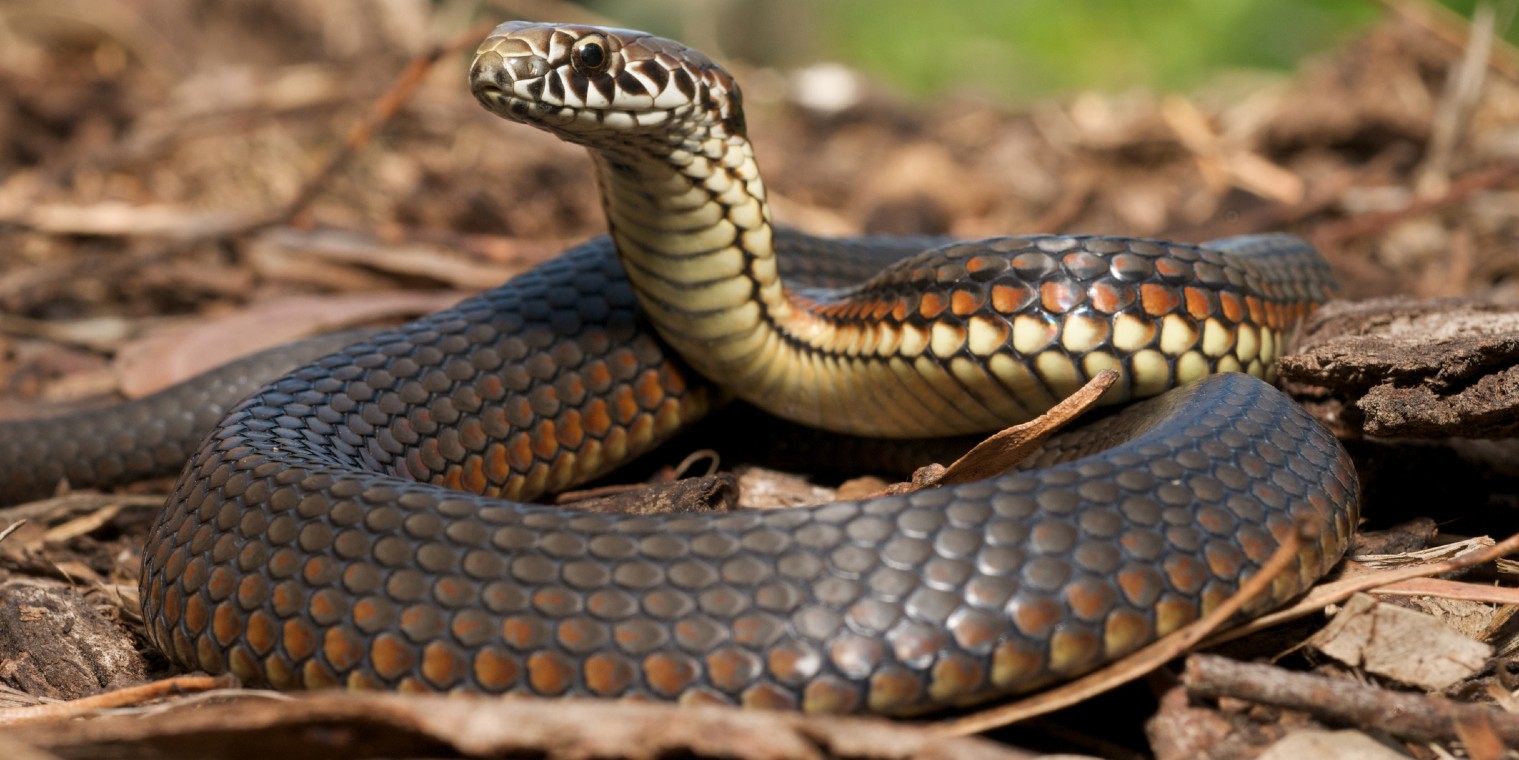
If you discover a snake in or around your home, remain calm and keep a safe distance. Never attempt to handle or kill it, especially if you cannot identify the species. Even nonvenomous snakes may bite if they feel threatened. Keep children and pets away from the area, and if the snake is inside your home or appears dangerous, contact your local wildlife or animal control service for assistance. With good yard maintenance and a few preventive measures, most homeowners can greatly reduce the chances of unwanted snake encounters while allowing these beneficial animals to continue playing their important role in the natural environment.