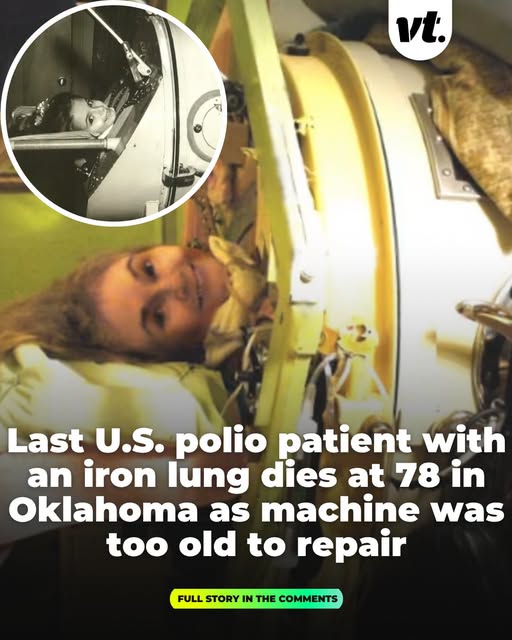
The death of Martha Lillard at the age of 78 has marked the end of an important chapter in American medical history. Believed to be the last person in the United States who depended on an iron lung to survive, Lillard spent most of her life living with the devastating effects of polio, a disease that once terrified families around the world.
Her passing represents more than the loss of one remarkable woman. It serves as a reminder of a time when outbreaks of polio left thousands of children paralyzed and struggling to breathe, long before vaccines transformed public health. Despite overwhelming physical challenges, Lillard refused to let her condition define who she was or limit what she could accomplish.
Diagnosed Before a Vaccine Existed
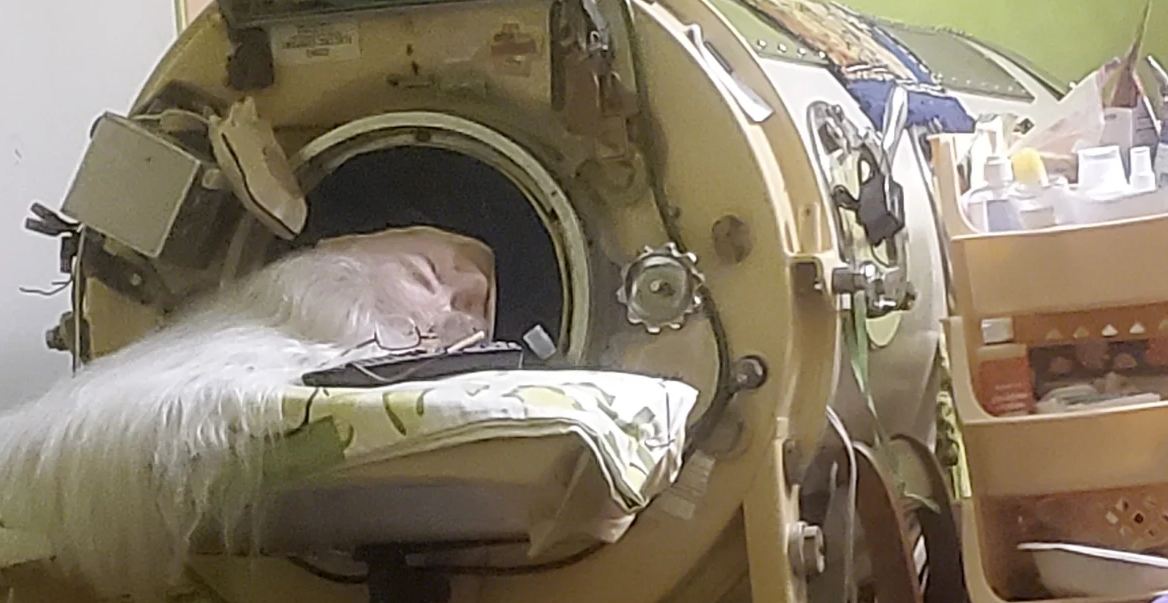
Lillard contracted polio shortly after celebrating her fifth birthday in 1953, just two years before the first successful polio vaccine became widely available. The virus attacked her nervous system, leaving her almost completely paralyzed and unable to breathe on her own. Doctors placed her inside an iron lung, a large metal cylinder that used changing air pressure to force air into and out of her lungs. During the height of the polio epidemic, hospitals across America were filled with rows of these machines, which became one of the most recognizable symbols of the disease. Although physicians doubted she would survive beyond early adulthood, Lillard continuously proved them wrong by living for decades longer than expected.
Refusing to Give Up
While the iron lung became essential to her survival, Lillard worked tirelessly to gain as much independence as possible. As a child, she attended school for a few hours each day before completing her lessons at home with tutors. Over time, she regained limited movement in one arm, allowing her to write, paint, compose music, and perform many daily activities. She even learned to cook and drive, demonstrating that determination could overcome many physical barriers. Her family also made extraordinary efforts to help her experience life outside her home. They modified a trailer so the iron lung could travel with her, allowing her to take vacations and enjoy experiences that many believed would be impossible for someone in her condition.
Living With an Aging Machine
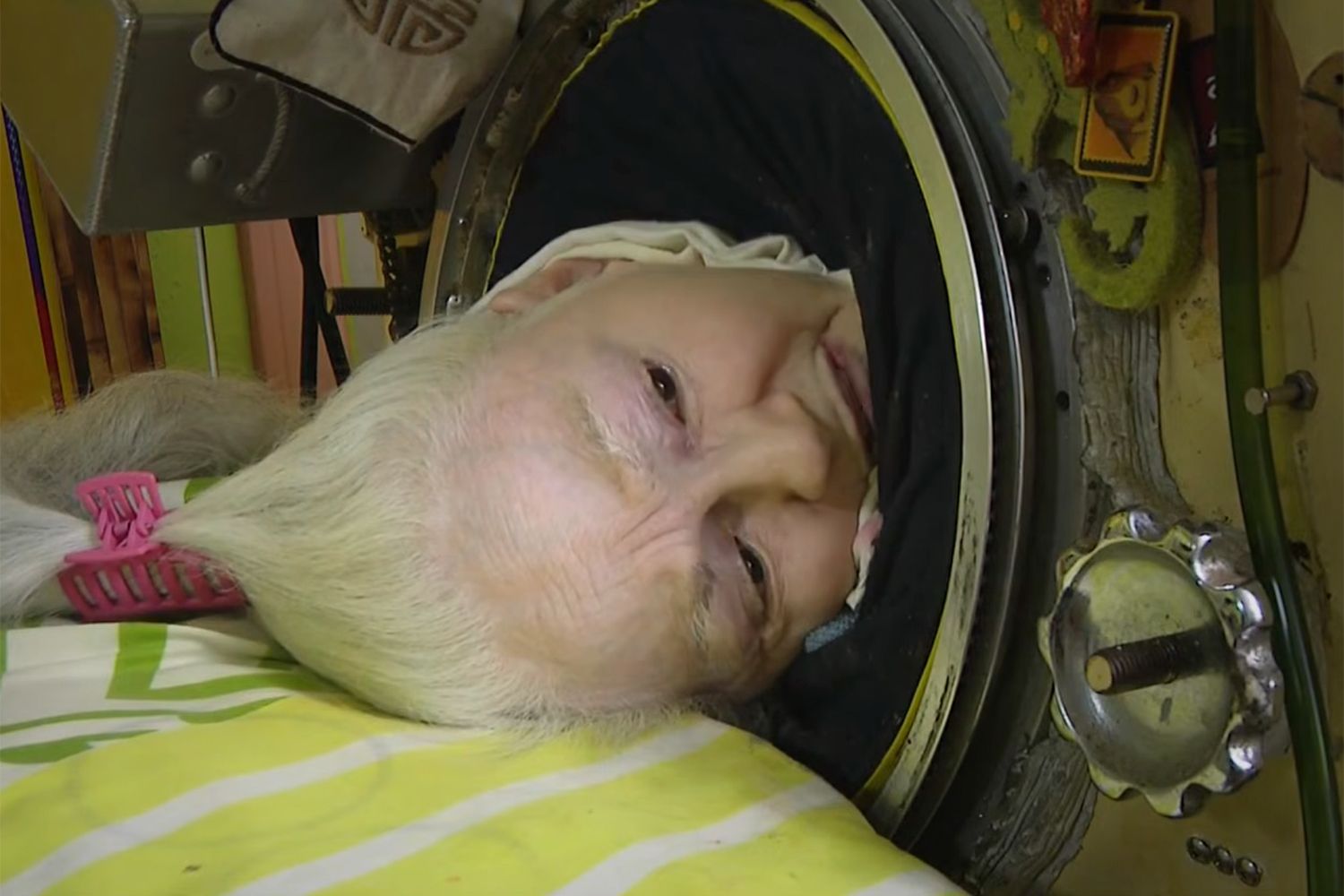
As modern ventilators gradually replaced iron lungs, nearly every patient transitioned to newer technology. Lillard, however, continued relying on the machine that had sustained her since childhood because she found it more comfortable and effective than available alternatives. In recent years, maintaining the decades-old equipment became increasingly difficult. Replacement parts were no longer manufactured, and few technicians still possessed the knowledge needed to repair the machine. Her health also declined after developing post-polio syndrome and suffering complications from long COVID, forcing her to spend almost every hour of the day inside the iron lung. Although concerns had grown about the aging equipment, her family said the primary causes of her death were chronic pulmonary failure and post-polio syndrome, with long COVID believed to have further weakened her condition.
Leaving Behind an Inspiring Legacy
Friends and family remember Lillard not only for surviving extraordinary circumstances but also for her kindness, creativity, and optimism. She wrote poetry and songs, rescued animals, volunteered with local organizations, and encouraged others facing difficult challenges. Earlier this year, she fulfilled a personal dream by marrying Baha Salh, a man she had known online for many years. Their relationship became another example of her determination to embrace life despite overwhelming obstacles.
A Reminder of Medical Progress
Lillard’s death closes the final chapter of the iron lung era in the United States. Once considered lifesaving technology, these massive machines have become museum pieces as vaccines and advances in respiratory care dramatically reduced the need for them. Her life stands as a powerful reminder of both the devastating impact polio once had on families and the incredible progress achieved through modern medicine. Even after spending more than seven decades depending on a machine for every breath, Martha Lillard built a meaningful life filled with creativity, compassion, and perseverance. Her remarkable journey will continue to inspire future generations while highlighting how far medicine has advanced in the fight against one of history’s most feared childhood diseases.