
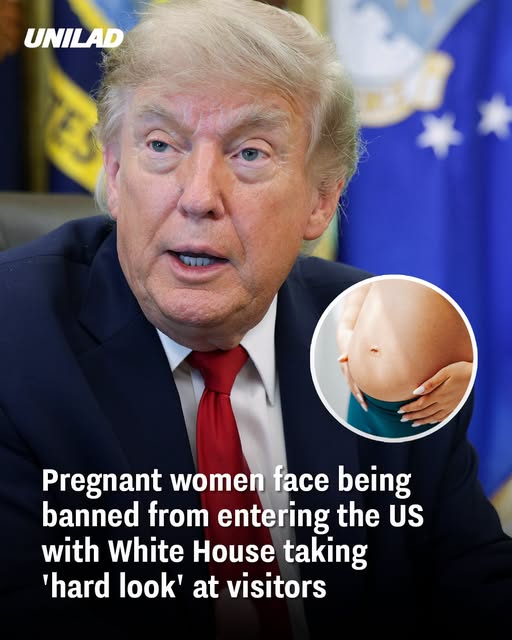
The United States has announced a new immigration policy designed to crack down on what officials describe as “birth tourism,” a practice in which pregnant foreign nationals travel to the country primarily to give birth so their child automatically receives U.S. citizenship. The updated guidance allows immigration officials to deny tourist visa applications if they believe the main purpose of the visit is to give birth in the United States in order to secure citizenship for the child.
Officials say the measure is intended to protect the integrity of the immigration system and prevent the misuse of visitor visas, while legitimate travelers seeking medical treatment for other reasons will still be considered under existing immigration rules.
What Is Birth Tourism?
Birth tourism refers to traveling to another country shortly before giving birth so that the child is born there and receives citizenship under that country’s laws. In the United States, the Constitution’s 14th Amendment grants citizenship to nearly all children born on U.S. soil, regardless of their parents’ nationality or immigration status. Because of this constitutional provision, some companies have offered services that help expectant mothers arrange travel, accommodation, and medical care specifically for childbirth in the United States. Supporters argue that the practice follows existing law, while critics believe it exploits the visitor visa system for immigration-related benefits.

How the Rule Will Be Applied
Under the updated policy, consular officers reviewing visa applications may deny requests if available evidence suggests that obtaining U.S. citizenship for an unborn child is the primary reason for traveling. Applicants who can demonstrate that their visit is for another legitimate purpose, such as tourism, family visits, business, or approved medical treatment, may still qualify for a visa if they meet all other requirements. Officials emphasize that each application will continue to be reviewed individually, with decisions based on the facts and documentation provided during the visa process. The guidance is intended to help officers distinguish between genuine short-term visitors and applicants whose principal purpose is childbirth connected to citizenship.
Debate Surrounding the Policy
The announcement has sparked renewed discussion about birthright citizenship and immigration policy in the United States. Supporters of the measure argue that visitor visas should not be used to obtain long-term immigration advantages and believe the policy closes a loophole that has existed for years. Others note that birthright citizenship itself remains protected under the U.S. Constitution and has not been changed by the new guidance. Instead, the policy focuses on how tourist visas are issued before travelers enter the country. Legal experts also point out that constitutional questions surrounding citizenship are separate from the government’s authority to determine who qualifies for temporary visitor visas.
Impact on International Travelers
For most tourists, the policy is unlikely to result in significant changes. Travelers visiting the United States for vacations, business meetings, education, or family events can still apply for visas under the normal process. Pregnant applicants are not automatically prohibited from entering the country. However, immigration officials may request additional information if they believe childbirth is the primary purpose of the trip. Applicants are encouraged to provide accurate information during the visa process and be prepared to explain the reason for their planned visit if requested.

Continuing Focus on Immigration Enforcement
The announcement reflects the broader effort by U.S. authorities to strengthen immigration enforcement while ensuring temporary visa programs are used for their intended purposes. Officials say preventing misuse of visitor visas remains an important priority, particularly in cases where immigration benefits may be sought through activities not covered by the visa category. As debate over immigration policy continues, the new guidance highlights the government’s intention to apply closer scrutiny to applications involving suspected birth tourism while maintaining access for legitimate visitors traveling to the United States for lawful reasons. The policy also serves as a reminder that visa approval depends on the purpose of travel, supporting documentation, and compliance with U.S. immigration regulations, regardless of an applicant’s nationality.