
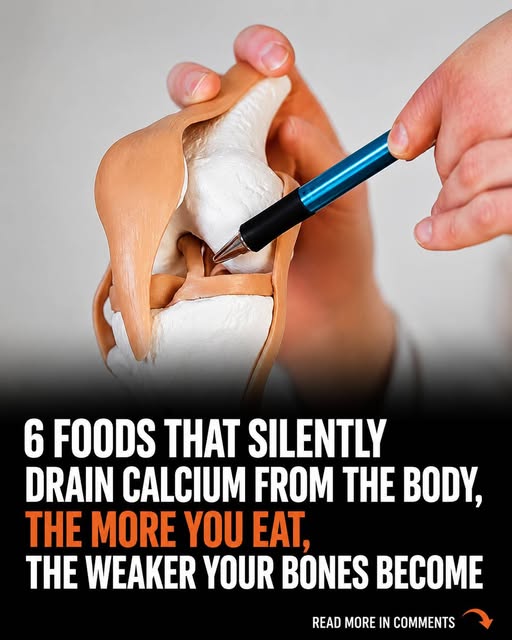
Calcium is one of the most important minerals in the human body. It plays a vital role in maintaining strong bones and teeth, supporting muscle function, regulating nerve signals, and helping blood clot properly. While many people focus on consuming calcium-rich foods, fewer realize that certain dietary habits may interfere with the body’s ability to maintain healthy calcium levels.
It’s important to note that these foods are not necessarily harmful when consumed in moderation. However, eating large amounts of them regularly without balancing your diet may affect calcium absorption or increase calcium loss over time.
1. Highly Salty Foods
Foods that contain excessive amounts of sodium can contribute to increased calcium excretion through urine. When the body processes large quantities of salt, it may remove more calcium at the same time. Common sources of excess sodium include processed meats, packaged snacks, fast food, canned soups, and many ready-made meals. Consistently consuming high-sodium foods may place additional strain on bone health, particularly in people who already have low calcium intake. Reducing sodium consumption and choosing fresh, minimally processed foods can help support healthier calcium balance.

2. Sugary Soft Drinks
Many soft drinks contain large amounts of added sugar and provide little nutritional value. Some varieties also contain phosphoric acid, which has been discussed in studies examining bone health and mineral balance. People who frequently consume soda may also be less likely to drink calcium-rich beverages such as milk or fortified alternatives. Over time, this substitution can contribute to lower calcium intake and potentially affect bone strength. Choosing water, herbal tea, or calcium-fortified beverages more often may provide healthier alternatives.
3. Excessive Caffeine
Coffee, energy drinks, and certain teas are enjoyed by millions of people every day. In moderate amounts, caffeine is generally considered safe for most healthy adults. However, excessive caffeine consumption may slightly increase calcium loss through urine. While the effect is usually small, it can become more significant when combined with poor dietary habits or inadequate calcium intake. Experts often recommend enjoying caffeinated beverages in moderation while ensuring sufficient calcium is obtained through food or supplements when necessary.
4. Highly Processed Foods
Many processed foods are convenient and widely available, but they often contain large amounts of sodium, preservatives, unhealthy fats, and added sugars. These products may not directly remove calcium from the body, but diets heavily dependent on processed foods often lack important nutrients required for bone health, including calcium, magnesium, vitamin D, and vitamin K. Replacing some processed meals with fresh fruits, vegetables, lean proteins, and whole grains can help improve overall nutritional balance.
5. Excessive Alcohol Consumption
Alcohol can interfere with several processes involved in maintaining healthy bones. Long-term excessive drinking may affect the body’s ability to absorb nutrients and regulate hormones that support bone formation. Heavy alcohol consumption has also been associated with an increased risk of osteoporosis and fractures later in life. While occasional drinking is unlikely to cause major problems for most adults, moderation remains important. Supporting bone health involves maintaining a balanced lifestyle that includes proper nutrition, regular exercise, and responsible alcohol consumption.

6. Foods High in Oxalates
Certain plant foods naturally contain compounds known as oxalates. These substances can bind to calcium in the digestive tract, reducing the amount available for absorption. Foods that contain higher levels of oxalates include spinach, beet greens, rhubarb, and some nuts. Although these foods offer many nutritional benefits and should not necessarily be avoided, consuming them alongside other calcium sources may help improve calcium utilization. A varied diet helps ensure that the body receives adequate nutrients from multiple sources.
Protecting Your Bone Health
Maintaining strong bones requires more than simply increasing calcium intake. A balanced diet rich in calcium, vitamin D, magnesium, and protein plays a critical role in supporting skeletal health throughout life. Regular weight-bearing exercise, adequate sunlight exposure, avoiding smoking, and limiting excessive consumption of sodium, sugar, caffeine, and alcohol can further support healthy bones. Rather than eliminating specific foods entirely, focusing on moderation and dietary balance is often the most effective strategy. By making informed food choices and maintaining a healthy lifestyle, individuals can help protect their bones and support long-term health as they age.