
In today’s fast-paced world, many people are searching for simple ways to reduce stress, improve concentration, and support their overall well-being. While meditation, exercise, and mindfulness techniques often receive significant attention, one ancient practice has quietly remained a favorite among yoga practitioners for centuries: Gyan Mudra.
This simple hand gesture, often seen during meditation sessions, is believed to help calm the mind, improve focus, and encourage a greater sense of inner balance. Although it may appear uncomplicated, supporters of the practice believe it can have a surprisingly powerful impact on both mental and emotional health.
What Is Gyan Mudra?
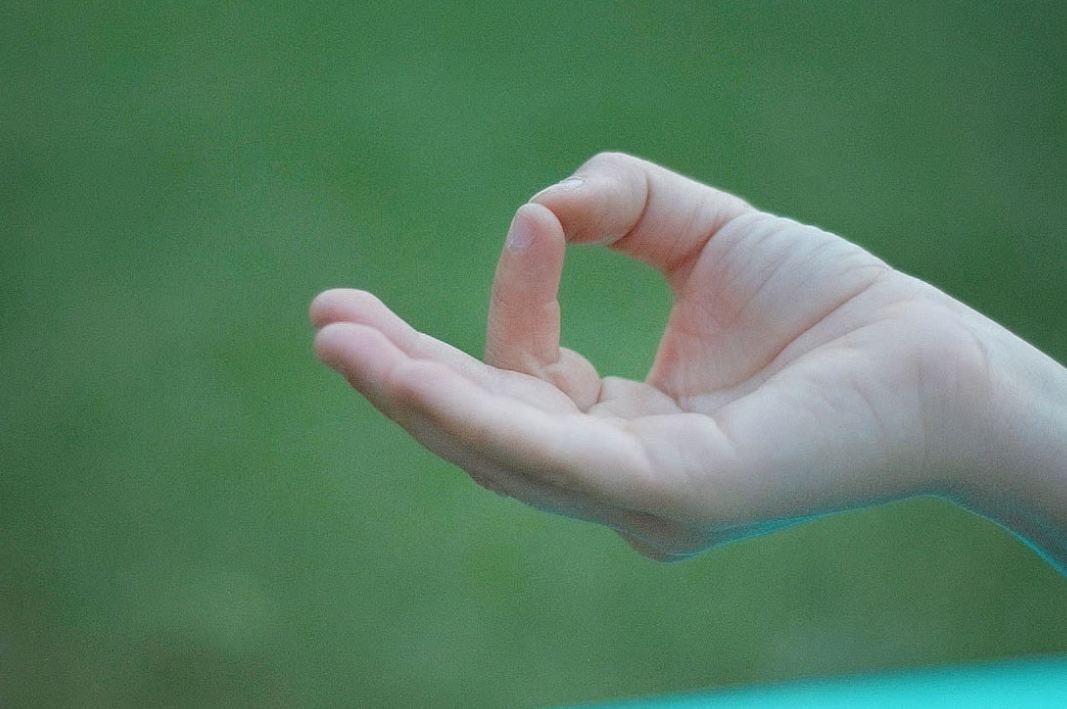
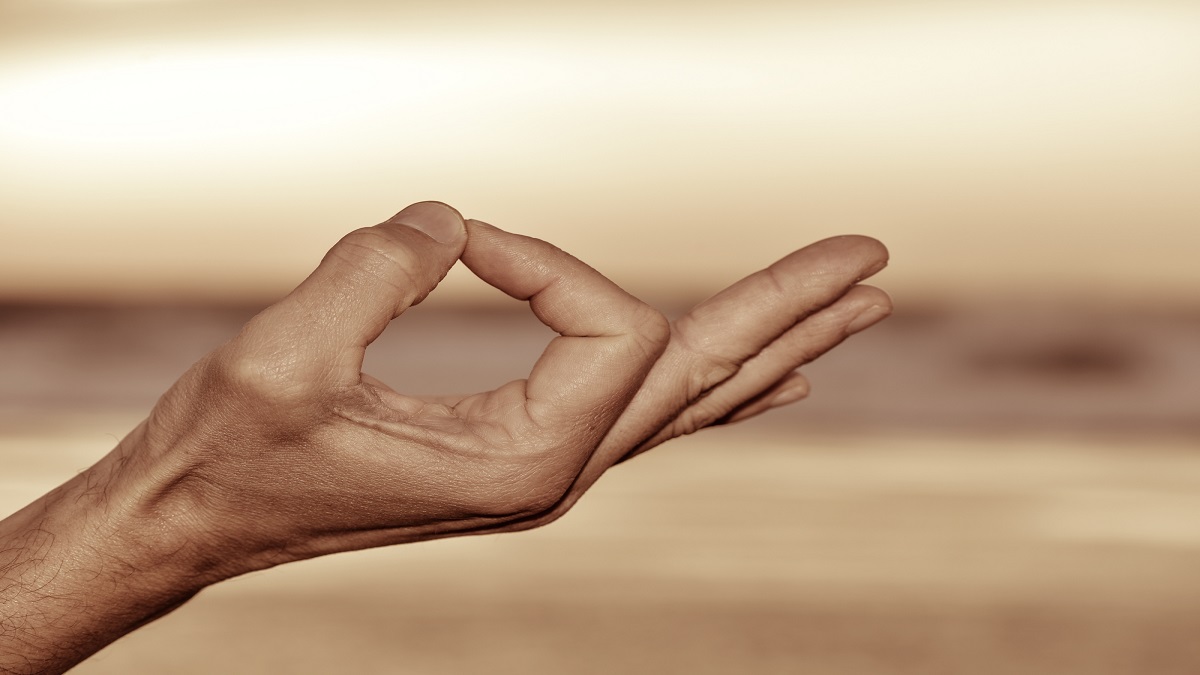
Gyan Mudra, sometimes referred to as the “gesture of knowledge,” is one of the most widely recognized hand positions used in yoga and meditation traditions. The technique is performed by gently touching the tip of the index finger to the tip of the thumb while keeping the remaining three fingers extended but relaxed. The hands can rest comfortably on the knees or thighs while sitting in a relaxed position. According to traditional teachings, the thumb symbolizes universal consciousness, while the index finger represents individual consciousness. Bringing the two together is believed to symbolize unity, wisdom, and awareness. Because of its simplicity, Gyan Mudra can be practiced by people of all ages and experience levels.
How It May Support Concentration
One of the primary reasons people use Gyan Mudra is its reputation for enhancing focus and mental clarity. Meditation practitioners often report that maintaining the gesture helps them stay present and reduces mental distractions. The hand position can serve as a physical reminder to remain attentive during meditation or breathing exercises. Some wellness experts suggest that the gentle finger contact may help create a calming sensory signal, encouraging the mind to settle and concentrate more effectively. While experiences vary from person to person, many practitioners describe feeling more centered and mentally organized after regular practice.
Potential Benefits for Stress and Anxiety
Modern life often brings constant demands, information overload, and daily stress. As a result, many individuals seek techniques that promote relaxation without requiring expensive equipment or extensive training. Gyan Mudra is frequently incorporated into mindfulness routines because it is believed to support emotional balance and relaxation. Combined with slow breathing, meditation, or quiet reflection, the gesture may help create a sense of calm and reduce feelings of tension. Practitioners often report experiencing greater emotional stability, improved mood, and a stronger ability to manage everyday challenges. While the gesture itself is not a medical treatment, it can complement other healthy stress-management practices.
The Connection Between Mind and Body
Many traditional wellness systems emphasize the close relationship between physical actions and mental states. Gyan Mudra reflects this philosophy by using a simple body position to encourage a desired mental response. The practice promotes mindfulness by drawing attention to the present moment. When individuals consciously hold the gesture, they may become more aware of their breathing, posture, and thoughts. This increased awareness can help reduce mental clutter and create opportunities for deeper relaxation and self-reflection. Over time, consistent practice may contribute to improved emotional resilience and a stronger sense of well-being.
How to Practice Gyan Mudra
One of the greatest advantages of Gyan Mudra is that it can be performed almost anywhere. Whether sitting in a quiet room, practicing yoga, or taking a few minutes to relax during a busy day, the gesture requires no special equipment. To begin, sit comfortably with a straight but relaxed posture. Gently touch the tip of the thumb and index finger together on both hands while allowing the remaining fingers to extend naturally. Close your eyes if desired and focus on slow, steady breathing. Many practitioners recommend practicing for 10 to 20 minutes daily, although even a few minutes can be beneficial.
A Simple Tool for Everyday Wellness
While scientific research on hand gestures and meditation continues to evolve, Gyan Mudra remains a popular practice among people seeking greater focus, calmness, and mindfulness. Its simplicity makes it accessible to nearly everyone, and its connection to centuries of meditation traditions continues to attract interest around the world. Whether used as part of a meditation routine or simply as a moment of quiet reflection, Gyan Mudra offers a gentle reminder that small actions can sometimes have a meaningful impact on mental well-being.