
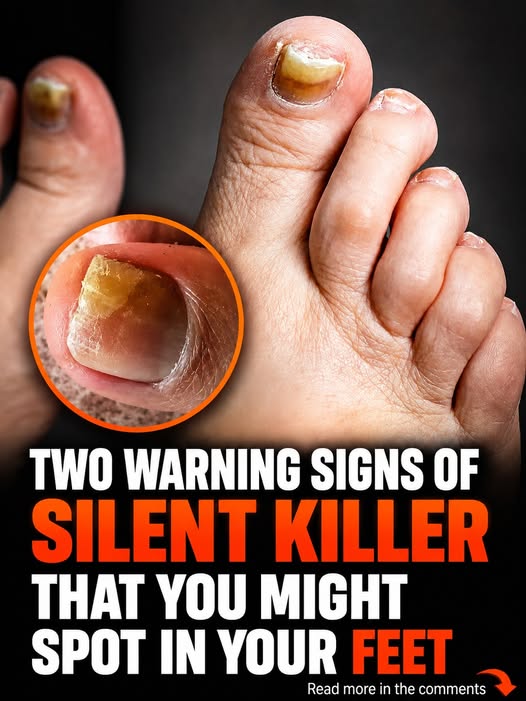
Our feet often reveal important clues about overall health, yet many people ignore early warning signs until problems become painful or difficult to treat. Health experts are now drawing attention to two common but frequently overlooked foot conditions that can quietly worsen over time if left untreated.
According to specialists, many foot problems begin with subtle symptoms such as numbness, discoloration, swelling, or discomfort that people mistakenly dismiss as normal aging or fatigue. However, these signs can sometimes point to circulation issues or nerve damage that require medical attention.
Peripheral Neuropathy: When Nerves Start Sending Warning Signals
One of the most serious silent foot conditions is peripheral neuropathy, a disorder caused by damage to nerves outside the brain and spinal cord. The condition often affects the feet first because the longest nerves in the body are usually the most vulnerable to damage. People with peripheral neuropathy may notice tingling, burning sensations, numbness, sharp pain, or unusual sensitivity in their feet. Some describe the feeling as pins and needles, while others experience complete loss of sensation. Doctors warn that diabetes is one of the leading causes of peripheral neuropathy. High blood sugar levels over long periods can damage nerves and reduce circulation, especially in the lower legs and feet. However, alcohol abuse, vitamin deficiencies, infections, and certain medications may also contribute to the condition. One major danger is that numbness can prevent people from noticing cuts, blisters, or injuries. Small wounds may become infected without the person realizing it, increasing the risk of serious complications. In severe cases, untreated infections can lead to ulcers or even amputation.
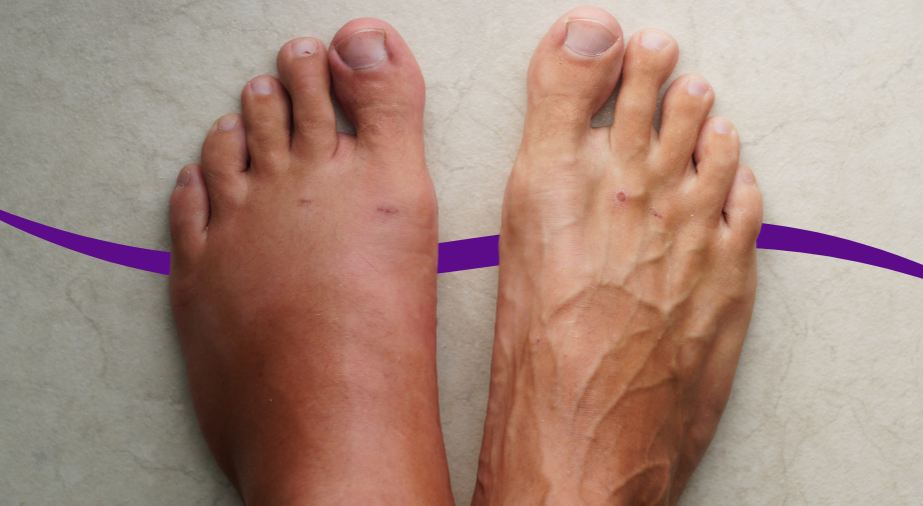
Peripheral Artery Disease And Poor Circulation
The second silent condition doctors frequently warn about is peripheral artery disease, commonly known as PAD. This condition develops when arteries become narrowed due to plaque buildup, reducing blood flow to the legs and feet.
Early symptoms can include cold feet, leg cramps while walking, slow-healing wounds, shiny skin, or changes in skin color. Some people also notice weaker pulses in their feet or unusual pain during physical activity. Because blood circulation is reduced, tissues may not receive enough oxygen and nutrients to heal properly. Experts say PAD can significantly increase the risk of infections and mobility problems if not treated early. More importantly, PAD may also signal broader cardiovascular problems happening elsewhere in the body. Doctors often view it as a warning sign for increased risk of heart attack or stroke because the same plaque buildup affecting leg arteries can affect arteries near the heart and brain.
Why Many People Miss The Symptoms
One reason these conditions are so dangerous is that symptoms often develop gradually. Many people assume occasional numbness or foot discomfort is simply part of getting older or standing too long during the day. Others ignore symptoms because they are not constantly painful. In some cases, people lose sensation completely, which ironically makes the problem seem less noticeable even while damage continues beneath the surface. Health experts stress that paying attention to small physical changes can make a major difference. Early diagnosis often allows doctors to slow progression and prevent severe complications through medication, lifestyle changes, or physical therapy.
Who Faces The Highest Risk
Certain groups face a much higher risk of developing these silent foot conditions. People with diabetes, high blood pressure, obesity, or high cholesterol are especially vulnerable because these conditions affect circulation and nerve health. Smoking is another major risk factor. Tobacco use damages blood vessels and reduces oxygen delivery throughout the body, increasing the likelihood of circulation problems in the feet and legs. Older adults also face greater risk because aging naturally affects blood flow and nerve function over time. Lack of physical activity may further worsen circulation issues.
Warning Signs You Should Not Ignore
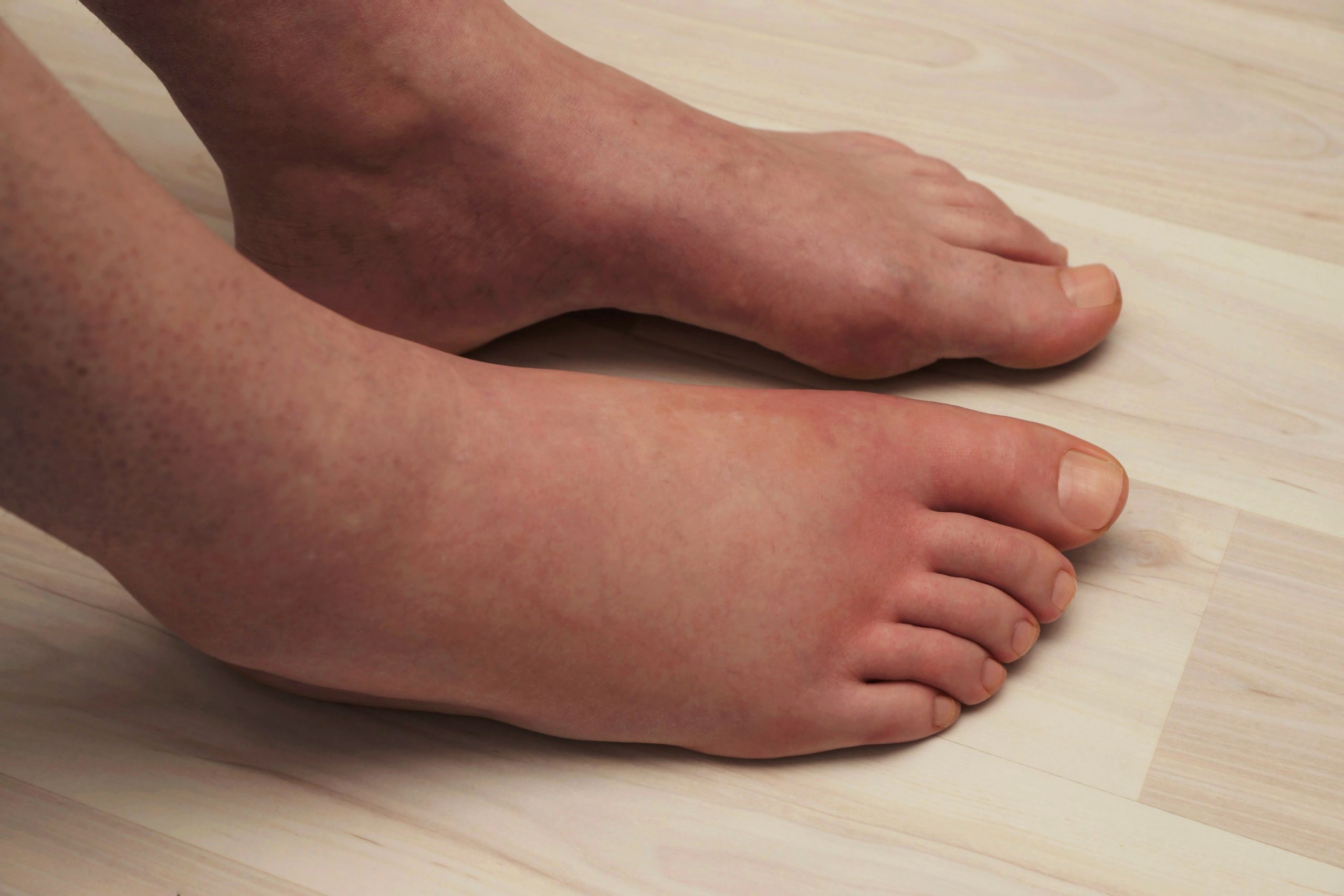
Doctors encourage people to seek medical advice if they notice persistent numbness, burning pain, foot discoloration, swelling, sores that heal slowly, or changes in skin temperature. Even mild symptoms may signal underlying health problems that deserve attention. Regular exercise, healthy blood sugar control, balanced nutrition, and proper foot care can help lower the risk of serious complications. Medical professionals also recommend routine foot checks, especially for individuals with diabetes or circulation disorders. While foot problems may seem minor at first, experts say the body often sends quiet warning signs long before more dangerous complications appear. Recognizing those signs early could help prevent far more serious health issues later on.