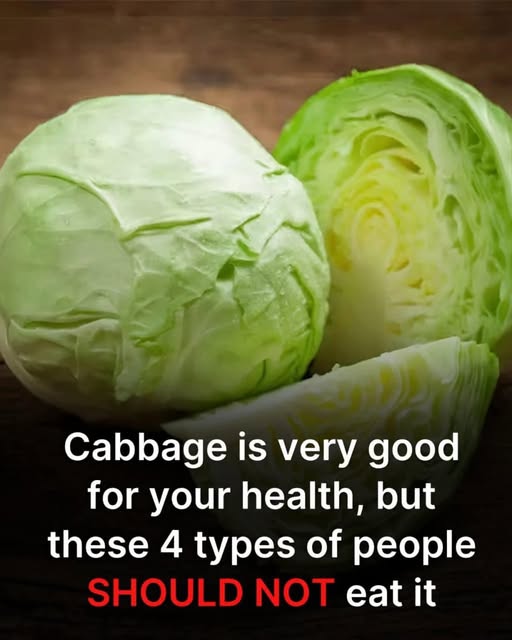
Cabbage has long been a staple ingredient in kitchens around the world. Affordable, versatile, and packed with nutrients, this leafy vegetable appears in everything from soups and salads to stir-fries and fermented dishes like sauerkraut and kimchi. While cabbage is often praised for its health benefits, some people may wonder whether it’s suitable for everyone.
The truth is that cabbage can be an excellent addition to a balanced diet, but there are a few situations where moderation or special preparation may be helpful.
Why Cabbage Is So Popular
Cabbage belongs to the cruciferous vegetable family, alongside broccoli, cauliflower, and Brussels sprouts. It is low in calories but rich in important nutrients such as vitamin C, vitamin K, fiber, and antioxidants. Because it is inexpensive and easy to store, cabbage has remained a favorite ingredient for generations. It can be eaten raw in salads and slaws, sautéed with spices, roasted until crispy, or added to comforting soups and stews. Many people also enjoy fermented cabbage dishes, which may support gut health thanks to beneficial probiotics.
Potential Health Benefits
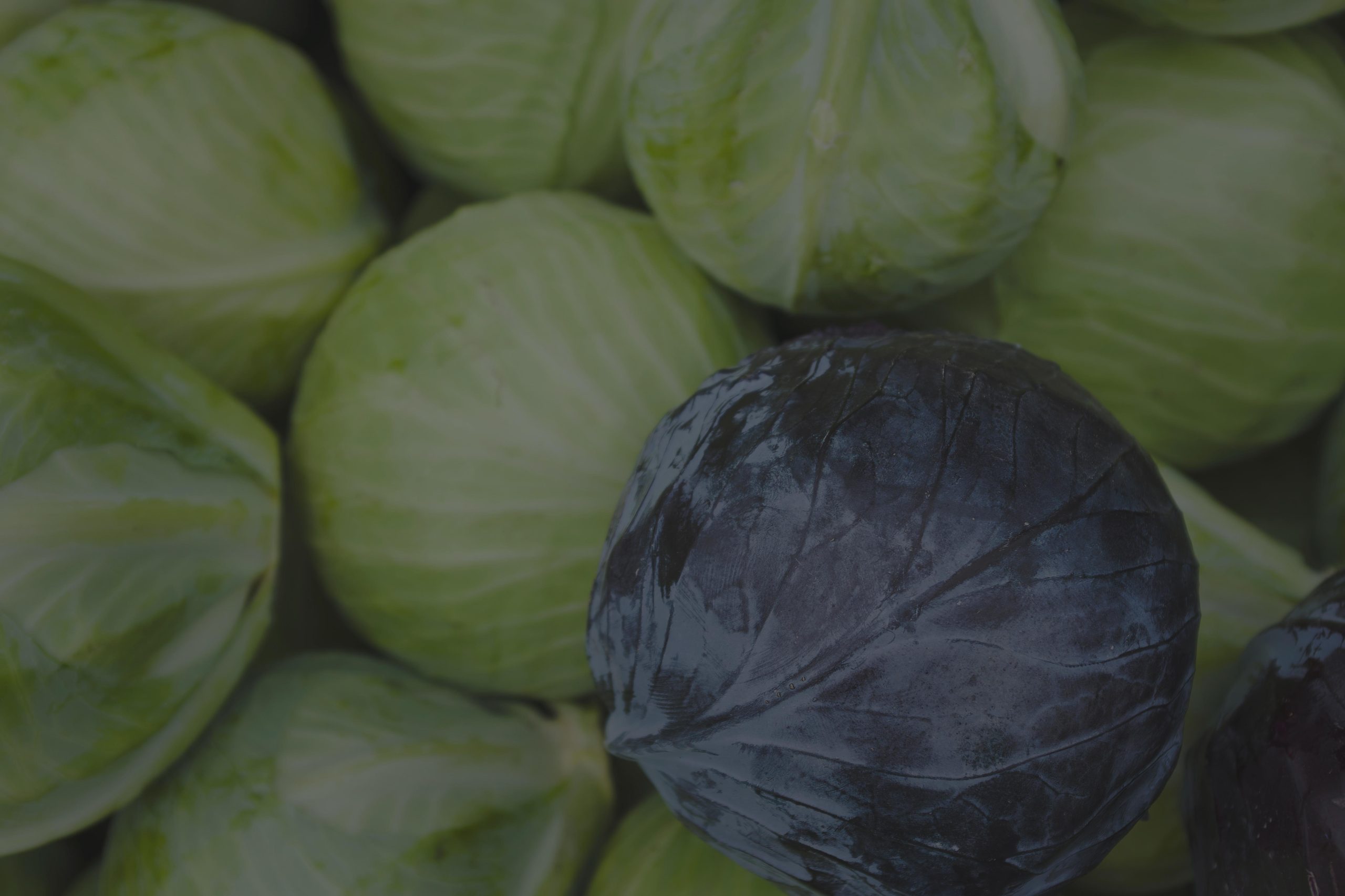
One reason cabbage is considered healthy is its high antioxidant content. Antioxidants help protect the body’s cells from damage caused by free radicals. Red cabbage, in particular, contains anthocyanins, compounds that give it its vibrant color and may support heart health. The fiber in cabbage may also help digestion and support feelings of fullness after meals. Since it is naturally low in calories, cabbage can fit well into many balanced eating plans. Vitamin C supports the immune system, while vitamin K plays an important role in bone health and blood clotting.
When Cabbage May Cause Problems
Although cabbage offers many benefits, it may not be ideal for everyone in large amounts. Some people experience bloating, gas, or stomach discomfort after eating cabbage, especially when it is raw. This happens because cabbage contains sulfur compounds and fiber that can be difficult for some digestive systems to process. People with irritable bowel syndrome (IBS) or sensitive stomachs may notice stronger symptoms after eating cruciferous vegetables. There is also some concern about compounds called goitrogens, which are naturally found in cabbage and other cruciferous vegetables. In very large quantities, especially when eaten raw, these compounds may interfere with thyroid function in people who already have thyroid issues. Cooking cabbage can help reduce this effect. In addition, people taking blood-thinning medications should be aware that cabbage contains vitamin K, which can affect how these medicines work. Doctors usually recommend keeping vitamin K intake consistent rather than avoiding it completely.

Enjoying Cabbage the Smart Way
For most people, cabbage can safely be part of a healthy diet when eaten in moderation. Cooking methods such as roasting, steaming, or sautéing may improve both flavor and digestion. Trying different varieties can also make meals more interesting. Green cabbage is great for soups and slaws, red cabbage adds color to salads, and napa cabbage works well in stir-fries and Asian-inspired dishes. Whether served fresh, cooked, or fermented, cabbage remains one of the most versatile vegetables available — and for many households, it continues to be a reliable favorite in the kitchen.