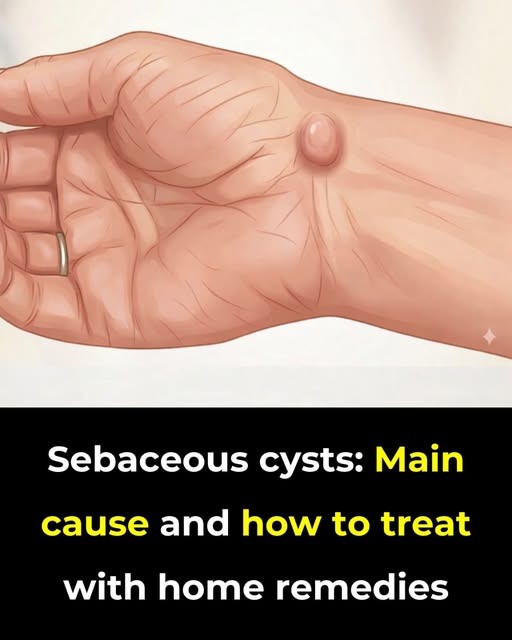
Sebaceous cysts are small lumps that develop beneath the skin and are usually harmless, though they can sometimes become uncomfortable or infected. These slow-growing bumps often appear on the face, neck, scalp, chest, back, or groin and are commonly mistaken for pimples or boils. In most cases, they are non-cancerous and develop gradually over time.
These cysts typically contain keratin, oil, and skin debris trapped beneath the surface of the skin. While many cysts remain painless, larger ones may become swollen, tender, or irritated if inflamed.
What Causes Sebaceous Cysts?
Sebaceous cysts usually form when oil-producing glands or hair follicles become blocked or damaged. The body naturally sheds skin cells, but if those cells become trapped under the skin instead of leaving the body normally, they can collect and form a cyst.
Several factors may increase the likelihood of developing these cysts, including:
Acne or oily skin
Skin injuries or surgical wounds
Damaged hair follicles
Hormonal changes
Chronic irritation to the skin
Genetics in rare cases
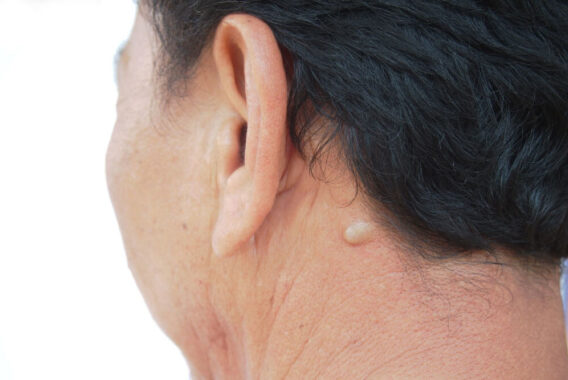
Experts also note that trauma to the skin can push surface cells deeper beneath the skin, creating a pocket where keratin and oils accumulate over time.
Signs a Cyst May Be Infected
Most sebaceous cysts are painless and harmless, but certain symptoms may indicate infection or inflammation. Warning signs include:
Redness around the lump
Pain or tenderness
Warmth in the area
Swelling
Pus or foul-smelling drainage
Rapid growth
Doctors recommend seeking medical attention if a cyst suddenly becomes painful, bursts, or continues enlarging.
Home Remedies That May Help
Although complete removal usually requires a medical procedure, several home remedies may help reduce discomfort, swelling, or irritation. Experts stress that these methods may ease symptoms but may not permanently eliminate the cyst.
Warm Compress
A warm compress is one of the most commonly recommended home treatments. Applying a clean warm cloth to the area for 10 to 15 minutes several times daily may help improve drainage and reduce inflammation.
Tea Tree Oil
Tea tree oil has natural antibacterial properties and may help reduce irritation around inflamed cysts. However, it should always be diluted before applying to the skin to avoid irritation.
Aloe Vera
Aloe vera is often used to soothe irritated skin and may help calm redness or swelling surrounding the cyst. Some people apply pure aloe gel directly to the area once or twice daily.
Castor Oil and Witch Hazel
Castor oil and witch hazel are popular natural remedies believed to reduce inflammation and promote healing. While scientific evidence remains limited, many people use them to help manage mild cyst discomfort.
Never Try to Pop a Cyst Yourself
Medical experts strongly warn against squeezing, cutting, or attempting to drain a cyst at home. Doing so can push bacteria deeper into the skin, increase inflammation, and raise the risk of infection or scarring. Even if a cyst drains temporarily, the outer cyst wall often remains beneath the skin, meaning the lump can return later. Many doctors say surgical removal is the only reliable way to completely prevent recurrence.
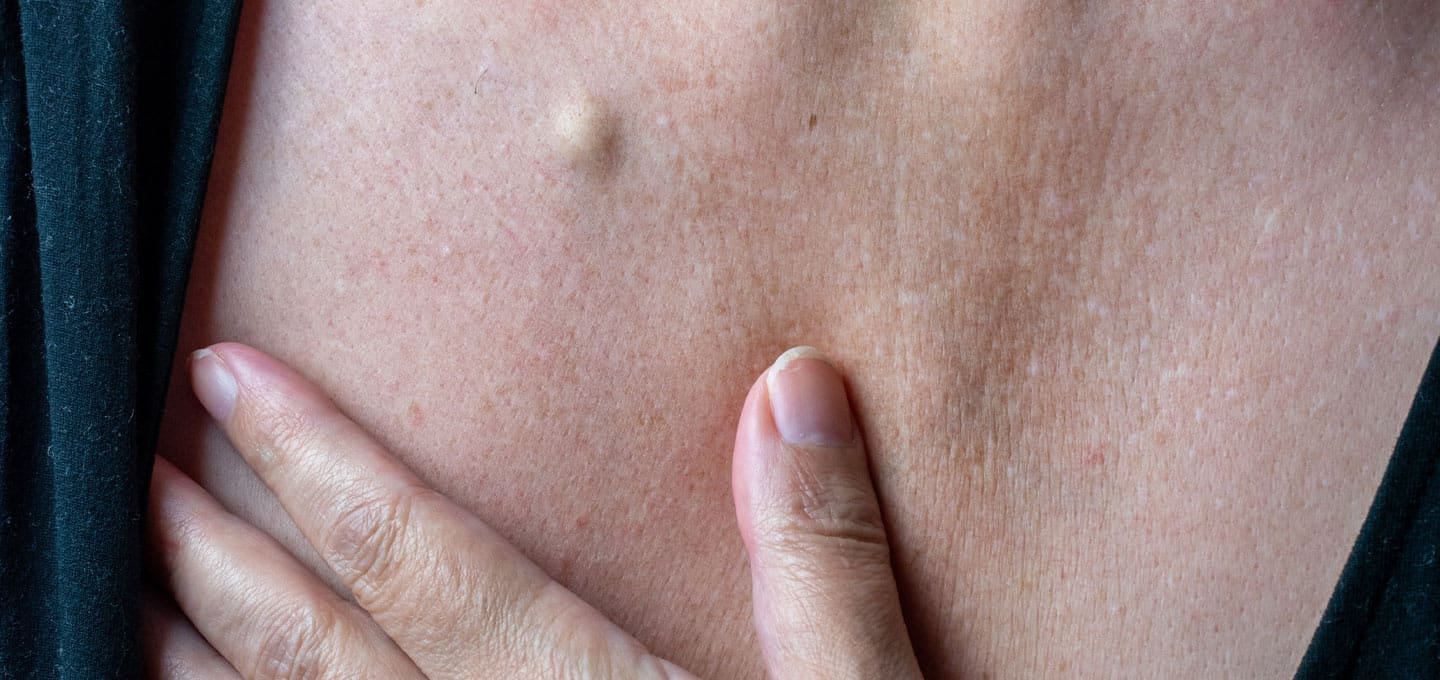
When Medical Treatment Is Needed
If a cyst becomes infected, painful, or continues growing, doctors may recommend medical treatment. Options can include draining the cyst, steroid injections to reduce inflammation, antibiotics for infection, or surgical removal of the entire cyst sac. Healthcare providers also recommend getting unusual lumps checked if they grow rapidly, repeatedly return, or become larger than several centimeters. Although sebaceous cysts are usually harmless, professional evaluation helps rule out other skin conditions.