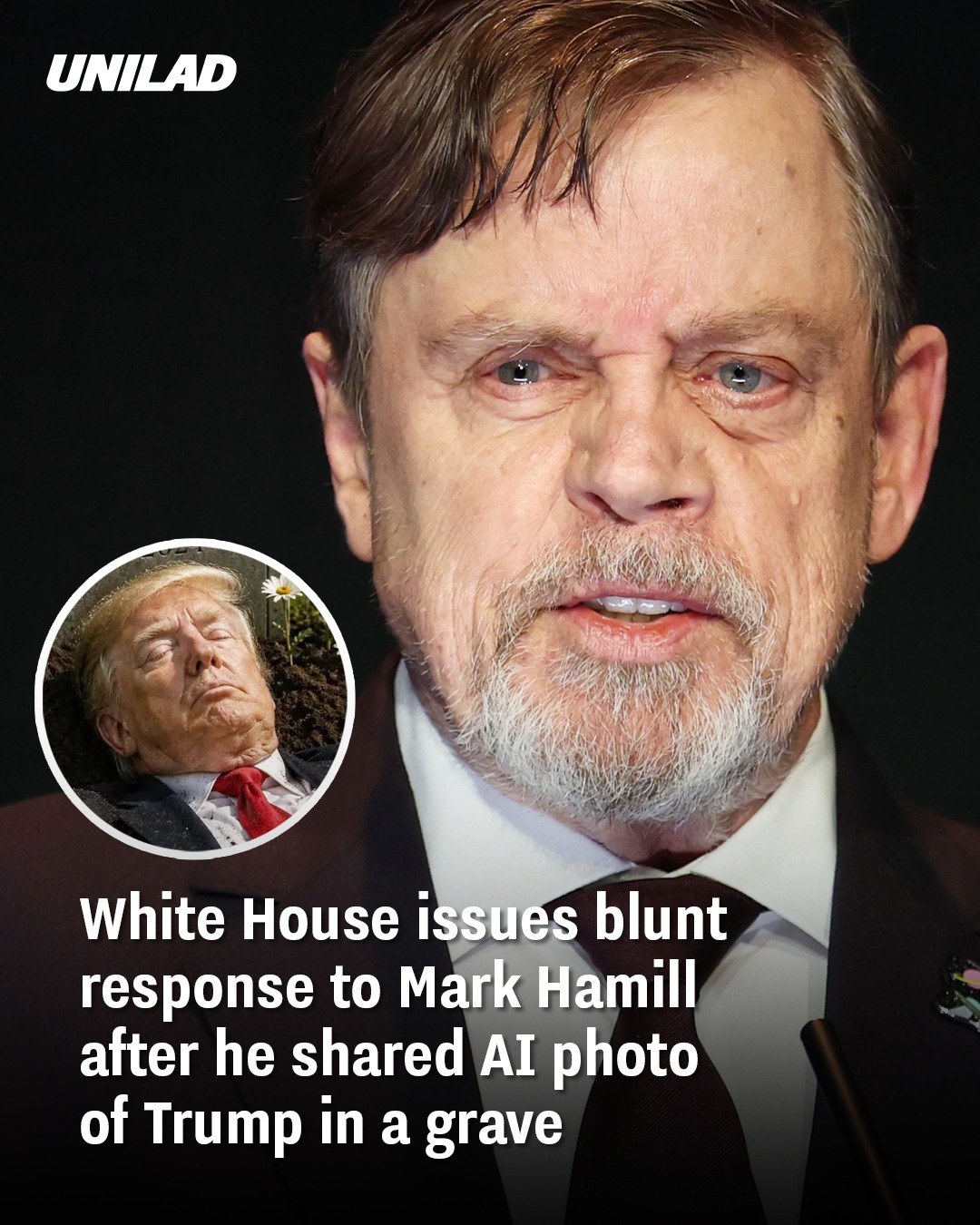
Actor Mark Hamill has come under heavy criticism after sharing an AI-generated image depicting President Donald Trump lying in a grave. The controversial social media post quickly sparked outrage online and prompted a sharp response from the White House.
The image, which appeared on Hamill’s verified Bluesky account, showed Trump beside a gravestone with the words “If Only” written across it. The post immediately triggered backlash from political figures, Trump supporters, and social media users who accused the actor of promoting dangerous rhetoric.
White House Responds Strongly
The White House publicly condemned Hamill following the post, calling the actor “one sick individual” in a statement shared through its rapid response social media account. Officials argued that violent political imagery contributes to a tense political climate and pointed to previous assassination attempts targeting Trump in recent years. According to reports, the administration claimed that rhetoric involving violent imagery can encourage threats against public figures. The criticism arrived during a period of heightened political tension in the United States following multiple security incidents involving Trump. The controversy quickly spread across social media platforms, where users debated whether Hamill’s post crossed the line between political satire and inappropriate content.
Hamill Deletes The Image
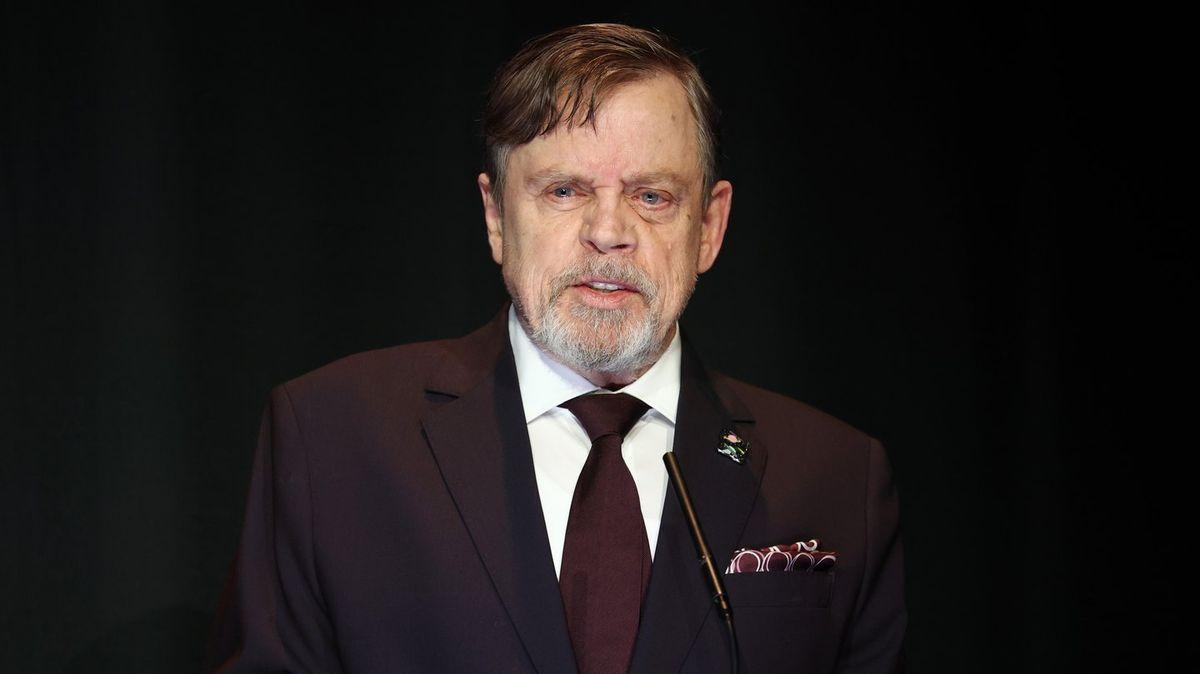
As backlash intensified, Hamill removed the post and later attempted to clarify his intentions. The actor stated that he was not actually wishing death upon Trump and instead meant that the former president should live long enough to face political and legal accountability. Hamill later apologized to people who found the image offensive, acknowledging that posting the AI-generated photo may have been inappropriate. The actor has long been an outspoken critic of Trump and has frequently used social media to express political opinions. Over the years, Hamill has often referenced his famous Star Wars role while commenting on American politics.
AI Images And Political Controversy
The incident has also renewed debate about the growing use of AI-generated imagery in politics. Advances in artificial intelligence have made it easier for realistic fake images to spread rapidly online, often fueling controversy and misinformation. Experts warn that AI-generated political content can intensify public anger, blur the line between satire and deception, and contribute to distrust online. Governments around the world are increasingly discussing stricter rules surrounding deepfakes and manipulated media. The debate surrounding AI content has become especially heated during election cycles and politically sensitive moments, where altered images can quickly go viral before facts are verified.
Social Media Divided
Reaction online has been sharply divided. Some users defended Hamill by arguing the image was political commentary protected under free speech, while others believed the post was irresponsible given recent violence involving political figures. Critics argued that public figures should avoid sharing content that could be interpreted as encouraging harm. Supporters, meanwhile, pointed out that political satire has historically included exaggerated imagery and provocative messaging. The controversy also reignited broader discussions about how celebrities use social media platforms to engage in political activism and how much responsibility they hold for the content they share online.
Political Tensions Continue To Rise
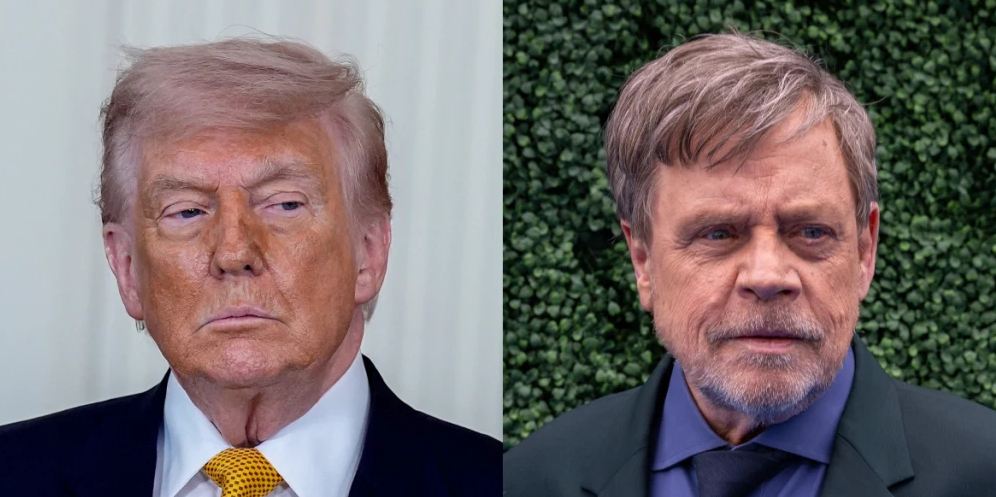
The dispute between Hamill and the White House reflects the increasingly combative relationship between celebrities, politics, and online culture. Public figures on both sides of the political spectrum continue to use AI-generated content, memes, and viral imagery to influence online conversations. As artificial intelligence tools become more advanced and accessible, experts believe controversies involving manipulated political images are likely to become even more common in the years ahead.