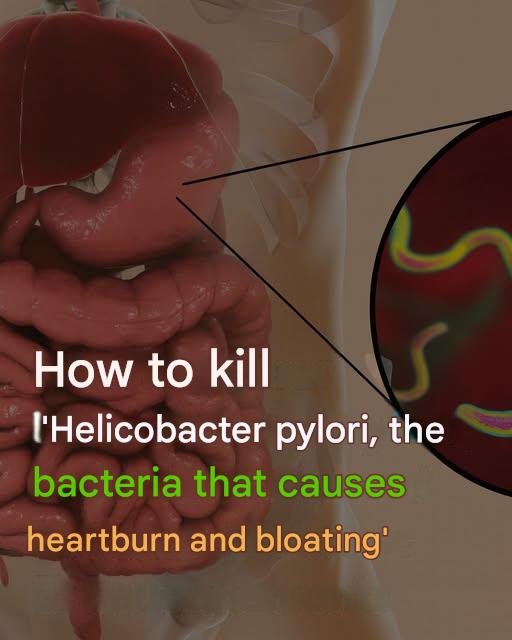
How to eliminate the bacteria responsible for heartburn and bloating. Helicobacter pylori (H. pylori) is a type of bacteria that lives in the stomach lining. It is one of the most common chronic bacterial infections in the world, and many people carry it without even knowing. In some cases, however, it can cause digestive problems such as stomach pain, ulcers, and long-term inflammation.
What is H. pylori?
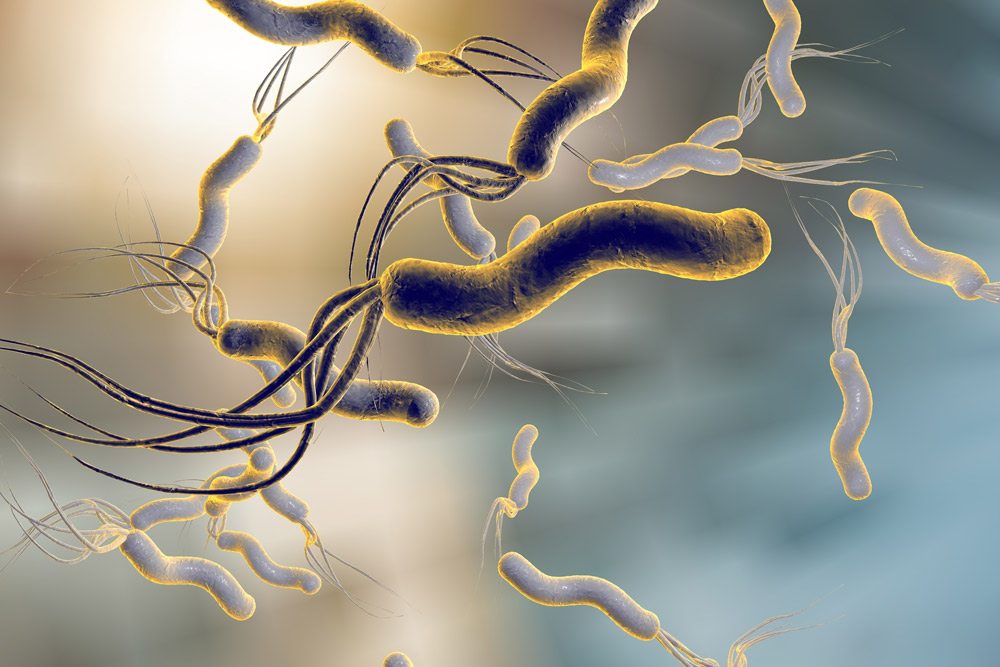
H. pylori is a spiral-shaped bacterium that can survive the harsh acidic environment of the stomach. It does this by producing enzymes that neutralize stomach acid around it, allowing it to live and multiply in the stomach lining.
Once established, it can:
Irritate and inflame the stomach lining
Weaken protective mucus layers
Increase the risk of ulcers in the stomach and upper intestine
Not everyone infected will develop symptoms, which is why many cases go undiagnosed for years.

⚠️ Common Symptoms
When H. pylori does cause symptoms, they may include:
Burning or gnawing stomach pain (especially when hungry)
Bloating and frequent burping
Nausea or reduced appetite
Unexplained weight loss in some cases
Black stools or vomiting blood (in severe ulcer cases)
These symptoms often overlap with other digestive issues, so medical testing is important for accurate diagnosis.
How H. pylori is Diagnosed
Doctors can detect H. pylori using several methods:
Breath test (measures bacteria activity)
Stool test (detects bacterial antigens)
Blood test (checks for antibodies, less commonly used now)
Endoscopy (direct examination of the stomach lining in severe cases)
Diagnosis is important because treatment depends on confirming the infection rather than guessing based on symptoms alone.
Standard Medical Treatment
The most effective and widely recommended treatment for H. pylori is combination therapy, often called “triple” or “quadruple” therapy.
This usually includes:
Two or more antibiotics to kill the bacteria
A proton pump inhibitor (PPI) to reduce stomach acid
Sometimes bismuth compounds to protect the stomach lining
The goal is to both eliminate the bacteria and allow the stomach lining to heal. Eradication therapy=antibiotics+acid suppression+mucosal protection Treatment typically lasts 10–14 days, and success rates are high when taken correctly.
“Natural remedies”: what helps and what doesn’t
Many online sources suggest natural cures, but it’s important to separate supportive measures from actual treatments.
✔️ May help symptoms (supportive, not curative):
Eating smaller, less irritating meals
Avoiding alcohol, smoking, and spicy foods
Probiotics (may help gut balance during treatment)
Green tea or broccoli sprouts (some limited supportive research)
Do NOT eliminate H. pylori:
Herbal cleanses alone
Diet changes without medical treatment
Baking soda, vinegar, or “stomach detox” products
These may slightly reduce discomfort but do not reliably kill the bacteria.
Why medical treatment is important
If left untreated, H. pylori can lead to:
Peptic ulcers
Chronic gastritis
Increased risk of stomach cancer in long-term infections
That is why doctors strongly recommend antibiotic-based eradication therapy, not self-treatment.
Final takeaway
H. pylori is a common bacterial infection that can live in the stomach for years. While many people never experience symptoms, others develop ulcers or chronic digestive discomfort. The only proven way to eliminate it is medical combination therapy with antibiotics and acid-reducing medication. Natural approaches can support gut health and symptom relief, but they should never replace proper treatment. If symptoms persist, testing and professional medical care are essential for safe and effective recovery.