Chia seeds have gained major popularity in recent years as a “superfood” added to smoothies, yogurt, and breakfast bowls. Despite their tiny size, they are packed with nutrients and often promoted as a simple way to improve overall health. Their growing reputation comes from their rich nutritional profile and versatility in everyday meals.
What Chia Seeds Are
Chia seeds come from the plant Salvia hispanica, which is native to Central America. Historically, they were a staple food for ancient civilizations such as the Aztecs and Mayans, who valued them for their energy-boosting properties.
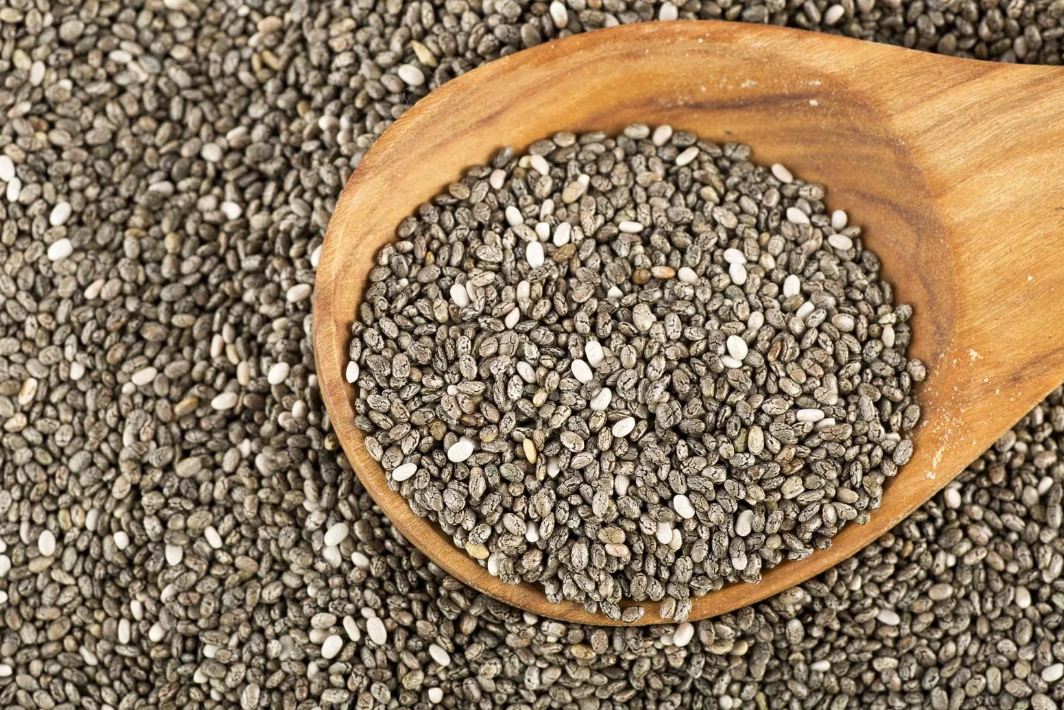
Today, chia seeds are widely available in black and white varieties, and they are typically eaten raw, soaked in liquid, or added to recipes.
Nutritional Value
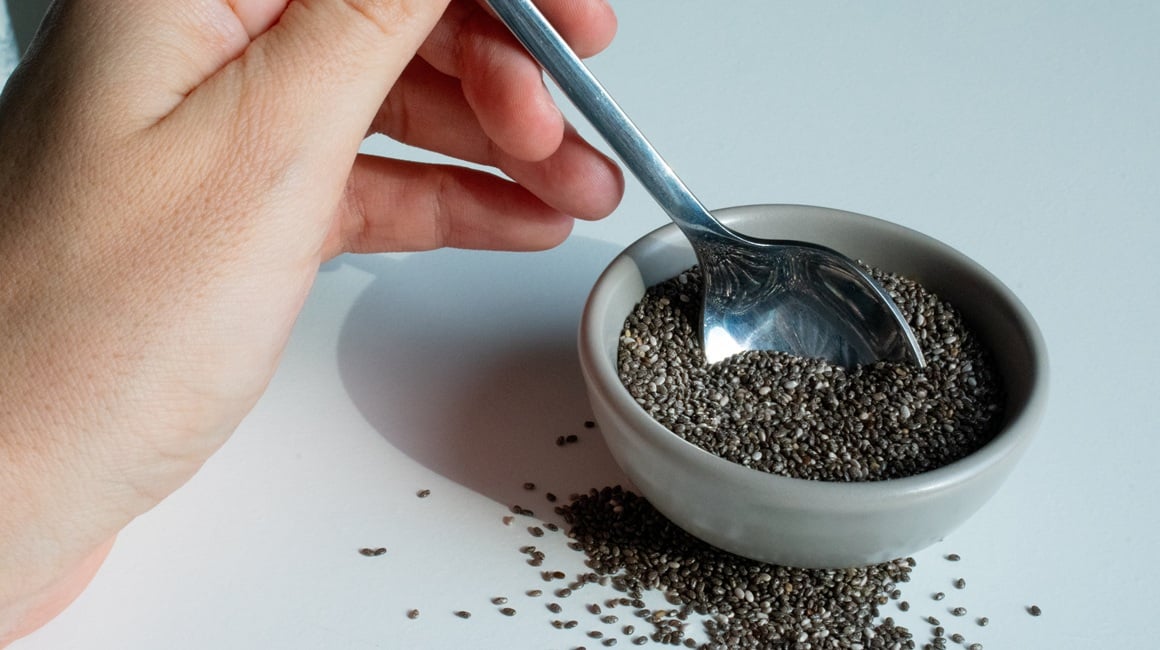
One of the main reasons chia seeds are considered beneficial is their impressive nutrient content. They are rich in:
- Fiber
- Omega-3 fatty acids
- Protein
- Calcium
- Magnesium
- Antioxidants
Despite being small, they provide a dense source of essential nutrients that support daily dietary needs.
High Fiber Content and Digestion
Chia seeds are especially known for their high fiber content. When exposed to liquid, they absorb water and form a gel-like texture. This property may help support digestion by adding bulk to stool and promoting regular bowel movements.
A fiber-rich diet is also associated with improved gut health and may help maintain a feeling of fullness after meals, which can support appetite control.
Support for Heart Health
Chia seeds contain omega-3 fatty acids, which are known for their role in heart health. These healthy fats may help support normal cholesterol levels and contribute to overall cardiovascular function when included as part of a balanced diet.
While chia seeds are not a treatment for heart disease, they can be a useful addition to heart-conscious eating habits.
Plant-Based Protein Source
Chia seeds provide a moderate amount of plant-based protein, making them a useful option for people who follow vegetarian or vegan diets. Protein is essential for muscle repair, immune function, and overall body maintenance.
Although chia seeds are not a complete protein source on their own, they can contribute to daily protein intake when combined with other foods.
Bone Health Nutrients
Chia seeds are a natural source of calcium, magnesium, and phosphorus—minerals that play important roles in maintaining strong bones. These nutrients support bone structure and are especially important for individuals who avoid dairy products.
Regular inclusion of calcium-rich foods like chia seeds can help contribute to long-term bone health.
Antioxidant Properties
Chia seeds also contain antioxidants, which help protect the body from oxidative stress caused by free radicals. Oxidative stress is linked to aging and various chronic conditions.
While antioxidants alone do not prevent disease, they play a supportive role in overall health and cellular protection.
Easy to Include in Diet
One of the reasons chia seeds are so popular is their convenience. They have a mild taste and can be easily added to many foods, such as:
- Smoothies
- Oatmeal
- Yogurt
- Salads
- Baked goods
- Chia pudding
They can be eaten dry or soaked in water or milk to create a thicker texture.
Possible Considerations
Although chia seeds are generally safe for most people, they should be consumed in moderation. Because of their high fiber content, eating large amounts without enough water may cause digestive discomfort.
Individuals with specific medical conditions or those taking medication should also consider consulting a healthcare professional before making significant dietary changes.
Final Thoughts
Chia seeds are a nutrient-dense food that can support a healthy diet when used consistently and appropriately. They are not a miracle cure, but they offer a range of benefits including fiber, healthy fats, protein, and essential minerals.
When combined with an overall balanced lifestyle, chia seeds can be a simple and effective addition to everyday nutrition.