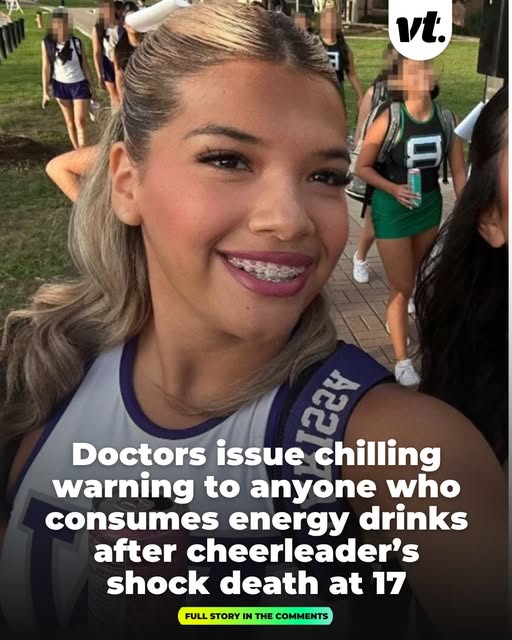
The death of a 17-year-old cheerleader in Texas has triggered serious warnings from doctors about the potential dangers of energy drinks especially for young people. The teenager, described as healthy and active, reportedly suffered a fatal cardiac event after consuming energy drinks in the days leading up to her death.
Medical findings later linked her passing to cardiomyopathy, a condition affecting the heart muscle, which was associated with excessive caffeine intake.
What Happened to the Teen
According to reports, the teen had consumed at least one can of a popular energy drink containing around 200 mg of caffeine—an amount considered high, particularly for minors. Health authorities generally recommend that adolescents consume far less caffeine per day.
A coroner’s report concluded that her death was caused by an enlarged heart linked to stress and large amounts of caffeine in her system. Toxicology results reportedly showed no drugs or alcohol, strengthening the focus on caffeine as a key factor.

Doctors Issue “Chilling” Warning
Medical experts say the case highlights a serious and often underestimated risk. While caffeine is widely consumed and generally safe in moderate amounts, high doses—especially in concentrated forms like energy drinks—can disrupt heart rhythm.
Doctors warn that excessive caffeine can lead to:
- Rapid or irregular heartbeat
- Increased blood pressure
- Heart muscle stress
- In extreme cases, cardiac arrest
In adolescents, the risks may be even greater because their bodies are still developing and may be more sensitive to stimulants.
Why Energy Drinks Are Different
Unlike coffee or tea, energy drinks often contain very high caffeine levels combined with other stimulants, such as taurine and herbal extracts. These ingredients can amplify caffeine’s effects on the body.
Some experts argue that the combination of ingredients—and the way these drinks are marketed as lifestyle or fitness products—can be misleading, particularly for younger consumers.
Additionally, the lawsuit filed by the family claims that warning labels were not clear enough and failed to properly communicate the potential risks.
Growing Concern Among Health Experts
This case is not isolated. Health professionals have increasingly raised concerns about energy drink consumption among teens. Major medical organizations have stated that such beverages are not recommended for children or adolescents due to their stimulant content.
Experts emphasize that even a single can can push younger individuals close to—or beyond—safe caffeine limits, especially if consumed alongside other caffeinated products.
Legal Action and Wider Debate
The teen’s family has filed a wrongful death lawsuit, arguing that the product was unsafe and inadequately labeled. The case is now fueling a broader debate about regulation, marketing, and accountability within the energy drink industry.
It also raises questions about how such products are sold and promoted, particularly to younger audiences who may not fully understand the risks.

Conclusion
The tragic loss of a young cheerleader has become a powerful reminder of the hidden dangers associated with high caffeine intake. While energy drinks remain widely available, doctors are urging caution—especially for teens.
The key message from health experts is clear: these beverages are not harmless, and in certain situations, they can have serious—even fatal—consequences.