A simple kitchen trick is going viral again for helping people figure out whether their eggs are still good to eat. Known as the egg float test, this quick method only takes a few seconds and can help you decide if the eggs sitting in your fridge are still fresh enough for breakfast. The test is easy, cheap, and surprisingly effective, which is why so many home cooks still swear by it.
The basic idea is simple: place an egg in a bowl of cold water and watch what happens. If it sinks and lies flat, it is considered very fresh. If it stands upright at the bottom, it is older but may still be usable. If it floats to the top, it is usually a sign that the egg has aged significantly and should be treated with caution.
Why Eggs Start to Float
The science behind the test is actually straightforward. Eggshells are porous, which means air can slowly enter over time while moisture gradually escapes. As an egg gets older, the air pocket inside becomes larger. Once that air cell grows enough, the egg becomes more buoyant and starts to rise in water. That is what causes older eggs to stand up or float. The USDA explains that a floating egg does not automatically mean it is unsafe, but it does indicate poorer quality. In other words, the float test is better at showing freshness than giving a final yes-or-no answer on food safety. That is an important difference many people miss when using this trick.
Freshness vs. Safety Matters
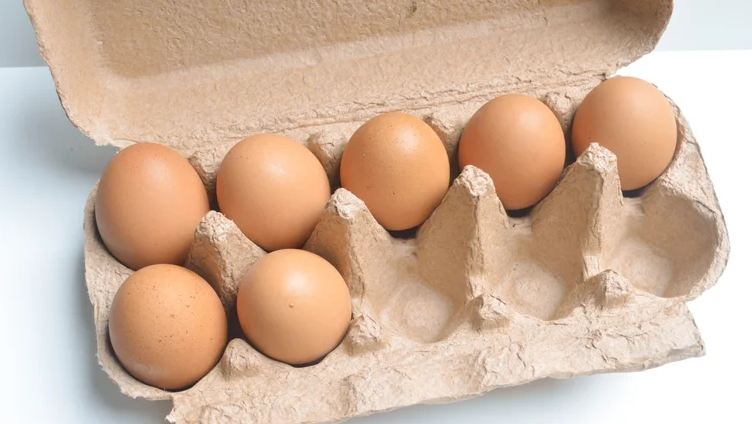
One of the biggest misconceptions is that every floating egg is spoiled. That is not always true. According to USDA guidance, a floating egg may simply be old because its air cell has enlarged, but it can still be safe if it has been stored properly. However, older eggs do lose quality, and their texture may not be ideal for frying or poaching. That said, no float test can replace common sense. If an egg smells bad after cracking, looks unusual, or has a slimy or cracked shell, it should be thrown away immediately. Oregon State University Extension also notes that spoiled eggs usually have a strong unpleasant odor, making the smell test one of the easiest ways to confirm something is wrong.
The Best Way to Check an Egg Before Cooking
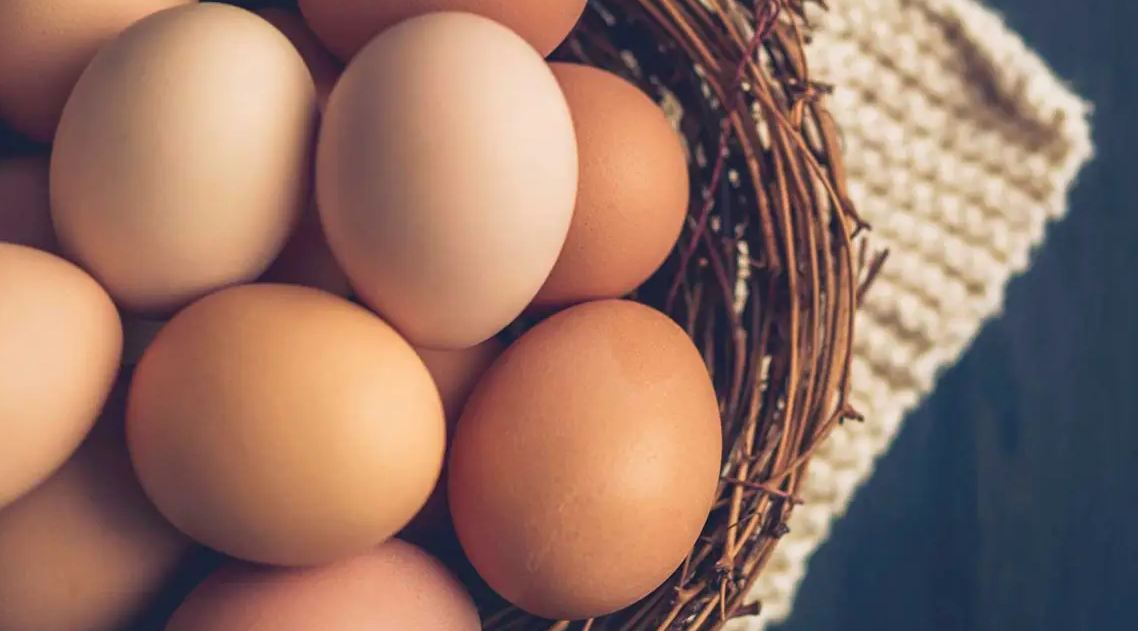
A smart habit is to crack the egg into a separate small bowl first instead of directly into your pan or batter. This way, if the egg smells sulfur-like, sour, or just “off,” you will not ruin the rest of your ingredients. That simple extra step can save an entire recipe. The article also highlights another useful tip: store eggs in their original carton in the main part of the refrigerator, not in the fridge door. Temperature changes can shorten quality, and the carton helps protect eggs from absorbing odors from other foods. Proper refrigeration remains one of the most important parts of keeping eggs usable for longer.
A Handy Trick, But Not a Perfect One
The egg float test is a helpful tool, especially when you are unsure how long a carton has been sitting in the fridge. It gives you a quick clue about age and quality without any special equipment. But experts are clear: it should be used alongside smell, appearance, and safe storage habits. In the end, this 3-second kitchen hack is useful because it is simple and practical. It will not tell you everything, but it can help you avoid using an old egg and make breakfast with a little more confidence.