
A 45-year-old woman has opened up about the terrifying health scare that changed her life after she says years of taking birth control injections may have contributed to the discovery of four brain tumors. What began as a routine doctor’s visit for an unrelated issue quickly turned into a devastating diagnosis that she never saw coming and now she’s sharing her story to warn others about a possible risk she says she was never fully aware of. Her emotional experience has sparked fresh debate about long-term hormonal contraception and the importance of understanding every potential side effect before making a health decision.
A Routine Appointment Turned Into a Nightmare
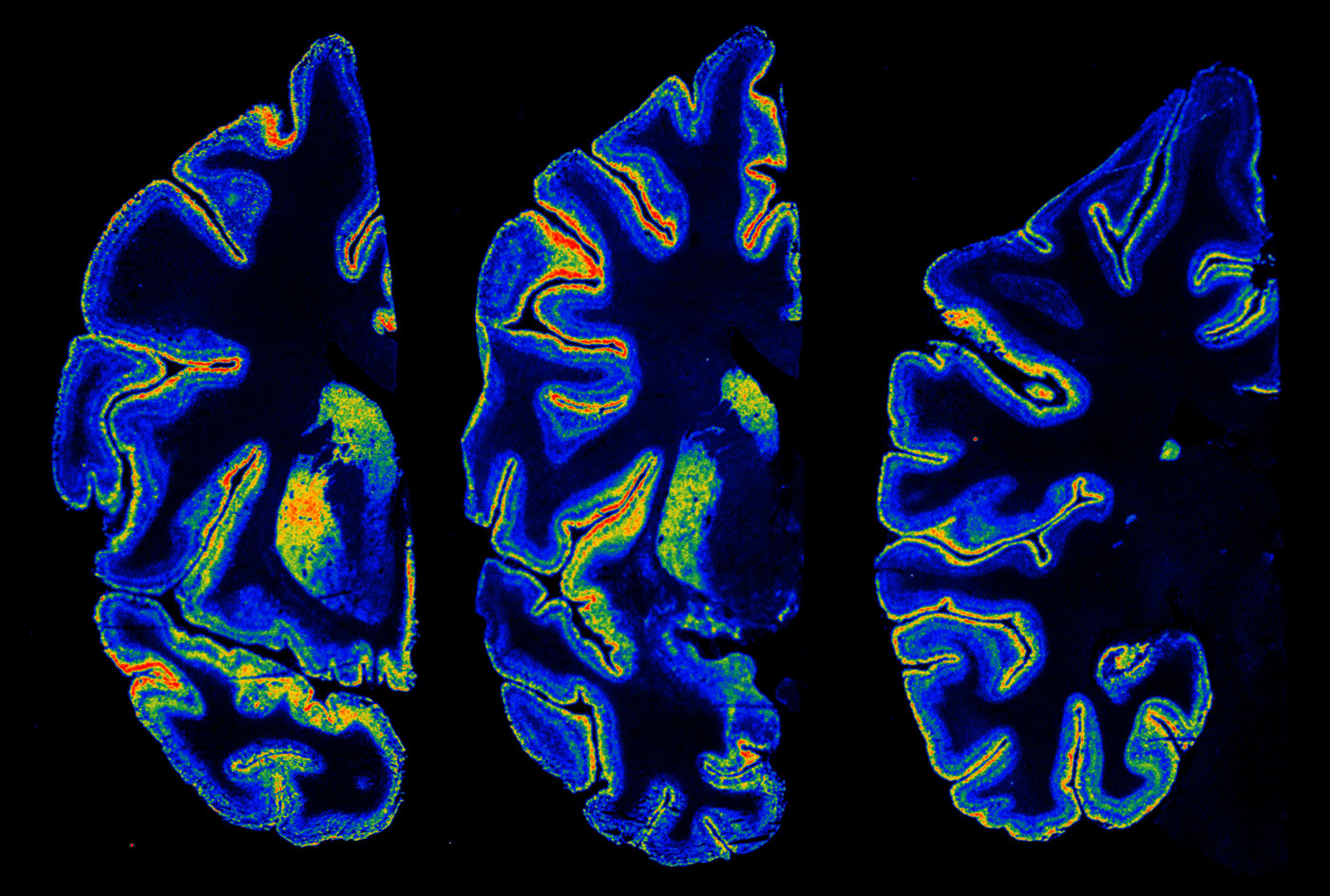
Kerry Sharples, from Cheshire, England, said the ordeal began after she mentioned hearing a strange pulsing sound in her ear during a regular medical appointment in 2025. What seemed like a minor symptom at first led her doctor to order precautionary scans and blood tests. She likely expected reassurance — but instead, the results delivered life-changing news. Doctors discovered that she had four benign brain tumors known as meningiomas. Even though these tumors are not cancerous, they can still be dangerous because they grow in the tissue surrounding the brain and may press on nerves, blood vessels, or nearby structures depending on their location.

The Possible Link to Her Birth Control
According to Sharples, doctors later suggested that her long-term use of hormonal birth control injections may have played a role in the development of the tumors. She said she had been receiving the contraceptive shots for 21 years because she wanted to avoid having monthly periods, and she had never imagined that decision could carry this kind of risk. After reviewing her scans and medical history, her doctor advised her to stop the injections immediately. Reports on similar cases have linked long-term use of medroxyprogesterone acetate — commonly sold as Depo-Provera — with an increased risk of meningiomas, though the overall chance remains low. Studies cited in recent reporting have found that risk can rise significantly with extended use, especially beyond one year.
“I Wish I Had Known”
Sharples has since said she deeply regrets not being warned more clearly about the potential connection. She explained that if she had fully understood the possible risks, she may have chosen a different form of contraception long ago. Her story is especially emotional because the tumors were found by chance — and she believes the outcome could have been far worse if they had remained undetected for longer. While meningiomas are often benign, they can still require surgery, radiotherapy, or long-term monitoring if they grow or begin causing symptoms. That possibility has left many women online questioning whether they have been given enough information about long-term injectable contraceptives.
Why Her Story Is Getting So Much Attention
Sharples’ case has gone viral because it sits at the center of a much bigger conversation. In recent months, more women have spoken publicly about similar diagnoses after years of using the same injection, and legal action has also drawn attention to the issue. At the same time, health experts continue to stress that the overall risk is still considered low, and that many people use this form of birth control safely. Even so, Sharples says she wants her story to encourage others to ask questions, research their options, and understand the long-term effects of any medication they take. For many readers, her experience is a powerful reminder that even routine health choices can sometimes carry risks no one expects.