As tensions continue to rise in the Middle East, renewed attention has turned to a man many online have nicknamed “China’s Nostradamus.” Professor Xueqin Jiang, a Chinese-Canadian academic and commentator, is once again making headlines after an old prediction about a future US-Iran war appeared to align with recent events. His earlier forecast, once seen as speculative, is now being revisited as the conflict deepens and global anxiety grows.
A Prediction That Has Returned to the Spotlight
Jiang reportedly made several major predictions in 2024, two of which many followers believe have already come true. One of those predictions was that Donald Trump would return to power. Another was that a second Trump presidency would significantly increase the chances of the United States entering a war with Iran. Because these forecasts appear to mirror current developments, many social media users have started referring to him as “China’s Nostradamus,” comparing him to the famous French prophet known for his cryptic visions of the future.
Why He Believed War Was Likely
According to Jiang’s earlier comments, he believed a conflict between the US and Iran was not only possible, but highly likely. He argued that tensions had been building for years and that both sides had strong strategic motivations. He suggested that American foreign policy, especially in relation to Israel, could play a major role in triggering direct confrontation. In his view, Iran’s leadership and military factions were also prepared for escalation, making the possibility of war much more than a distant theory.
His Most Alarming Forecast
What has drawn the most attention is Jiang’s bold claim that the United States would ultimately fail in such a conflict. He warned that a war with Iran would not end in a clear American victory and could instead reshape the global balance of power. In his analysis, Iran’s geography, regional influence, and long-term preparation would make it extremely difficult for any outside force to dominate or occupy the country in a lasting way. He described the potential outcome as something that could permanently alter the international order.
A War of Attrition, Not a Quick Victory
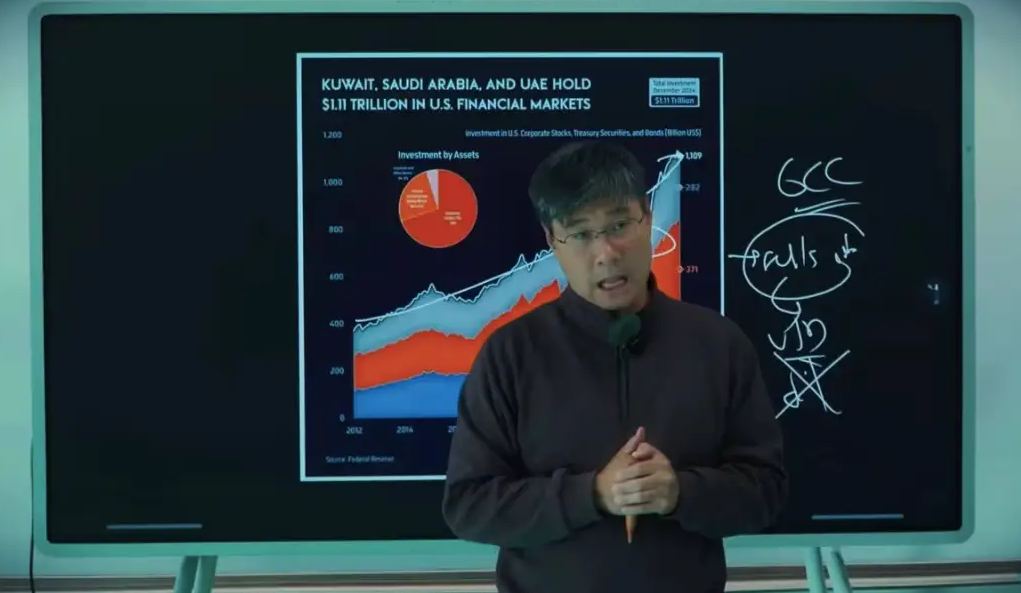
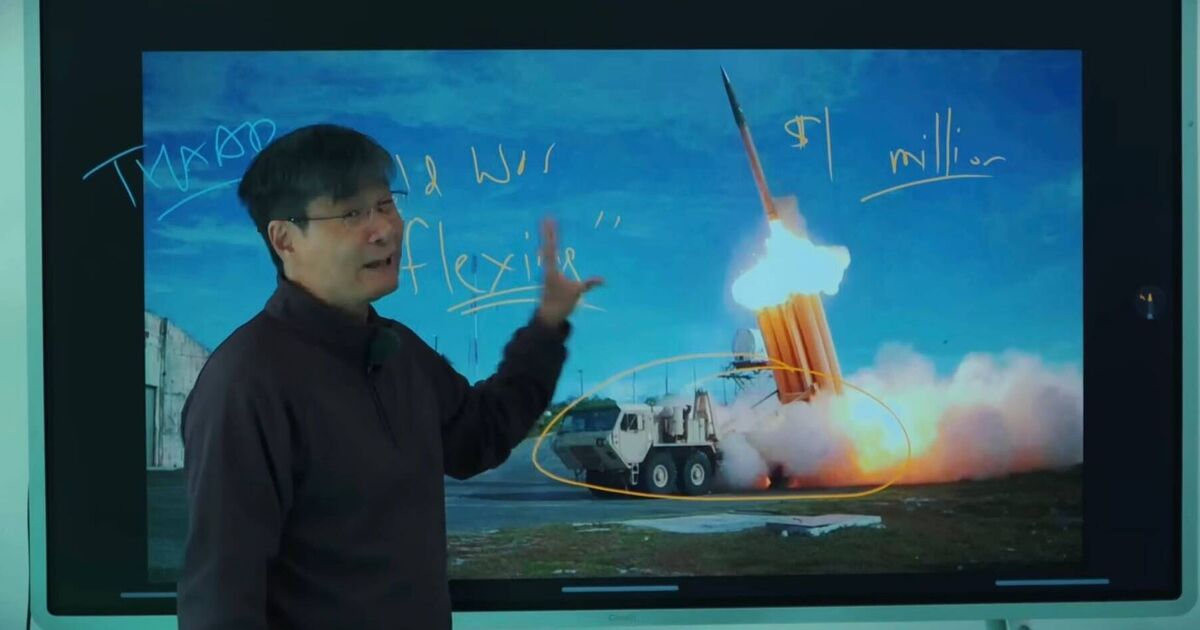
More recently, Jiang expanded on his position by describing the conflict as a “war of attrition.” He argued that Iran has spent decades preparing for this kind of confrontation and may be better positioned than many assume. Rather than focusing solely on direct military exchanges, he believes Iran’s broader strategy includes disrupting trade routes, energy markets, and regional stability. He specifically pointed to the Strait of Hormuz, a critical shipping route, as one of the most important pressure points in the conflict.
Why the World Is Paying Attention
Whether one sees Jiang as a serious analyst or simply a viral commentator, his predictions have clearly captured public attention at a moment of intense uncertainty. With oil prices already reacting and fears of wider escalation growing, many people are looking for any clue about what may come next. His warnings may be controversial, but they have become part of the larger conversation surrounding one of the most dangerous geopolitical flashpoints of 2026.