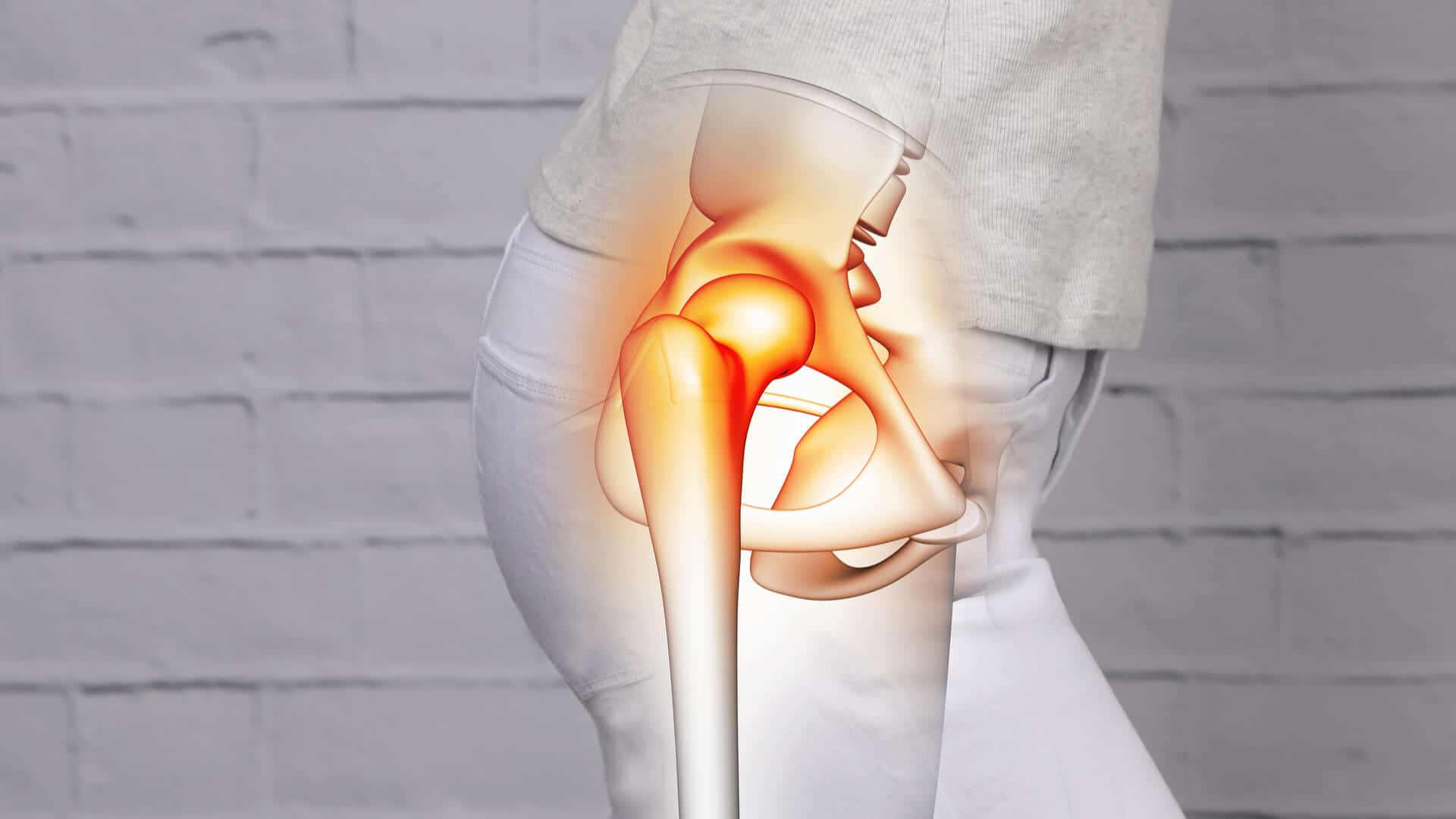
Hip pain is a common issue that affects people of all ages. While it can sometimes be caused by temporary muscle strain or overuse, persistent discomfort may signal that something more serious is happening in the body. The hip joint is one of the largest and most important joints in the human body. It connects the thigh bone to the pelvis and supports the body’s weight during walking, standing, and other everyday movements. Because the joint is used constantly, it is vulnerable to injuries, inflammation, and long-term wear.
Pain in this area can appear suddenly after an injury or gradually develop over time. In either case, ongoing hip pain should not be ignored, especially if it begins to interfere with daily activities.
Common Causes of Hip Pain
There are many possible reasons why someone might experience hip pain. One of the most common causes is arthritis, particularly osteoarthritis. This condition occurs when the cartilage that cushions the joints slowly wears away, leading to pain, stiffness, and reduced mobility. Another frequent cause is bursitis, which happens when small fluid-filled sacs called bursae become inflamed. These sacs help cushion bones, muscles, and tendons around the joint. When they become irritated, the result can be sharp or aching pain on the outside of the hip. Injuries can also lead to hip pain. Falls, sports accidents, or repetitive movements may cause strains, torn cartilage, or fractures. Athletes and people with physically demanding jobs may be more prone to these types of injuries. In some cases, the pain does not actually originate in the hip itself. Problems in the lower back, such as nerve compression or sciatica, can cause pain that radiates into the hip and thigh.
Where the Pain Appears Matters
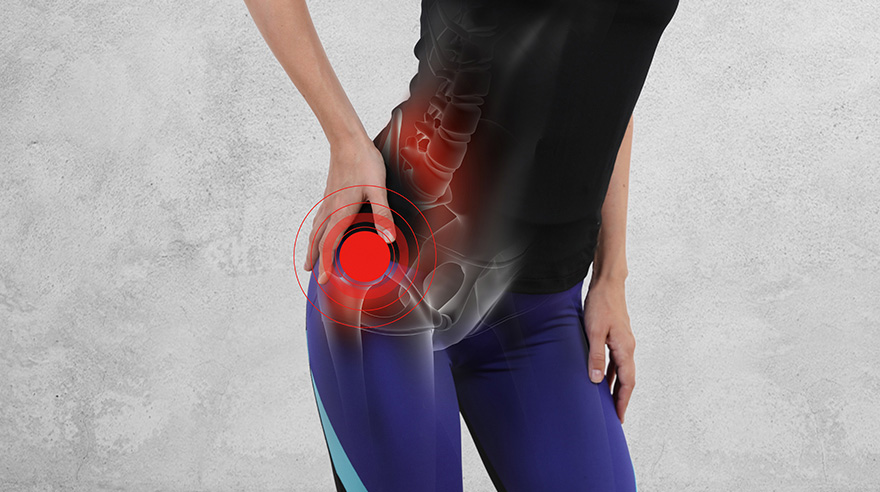
The location of hip pain can provide clues about its cause. For example, pain deep inside the hip joint or in the groin area often suggests a problem within the joint itself. Pain on the outside of the hip is more commonly related to muscles, tendons, or bursae surrounding the joint. Meanwhile, pain that spreads into the buttocks or down the leg may be connected to nerve irritation or issues in the spine. Some people may also experience stiffness, swelling, or difficulty moving the joint. In severe cases, the pain can make it hard to walk, climb stairs, or stand for long periods.
Warning Signs That Require Medical Attention
Although mild hip pain may improve with rest, certain symptoms should prompt a visit to a doctor. Persistent pain that lasts for several days, worsens over time, or limits movement should always be evaluated by a medical professional. Other warning signs include swelling, bruising, visible deformity, or the inability to put weight on the leg. Sudden and severe hip pain following a fall may indicate a fracture and requires immediate medical attention. Infections in the joint, though rare, can also cause redness, fever, and intense pain that limits movement.
Protecting Your Hip Health
Fortunately, there are several steps people can take to maintain healthy hips and reduce the risk of injury. Regular exercise helps strengthen the muscles that support the joint, while maintaining a healthy weight reduces stress on the hips. Low-impact activities such as swimming, cycling, yoga, or walking are often recommended because they improve flexibility without placing excessive pressure on the joints. Stretching before physical activity and avoiding repetitive strain can also help prevent injuries.
Listening to Your Body
Hip pain is often the body’s way of signaling that something isn’t right. While many cases are mild and temporary, persistent discomfort should not be ignored. Early diagnosis and treatment can help prevent minor problems from becoming more serious conditions. Paying attention to symptoms and seeking medical advice when needed can make a significant difference in protecting long-term joint health.