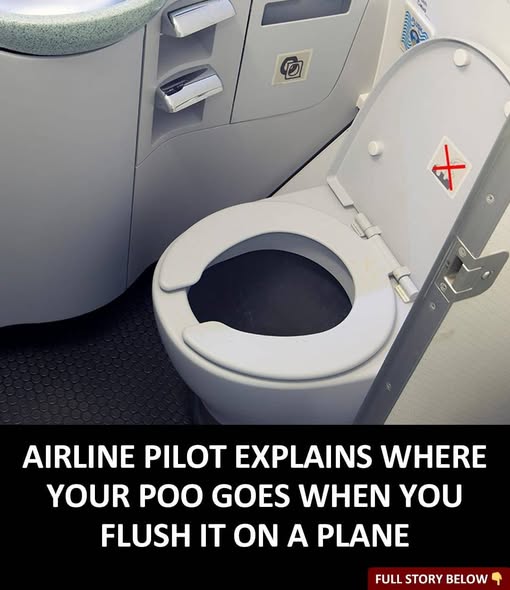
Many people have wondered whether airplane toilets suddenly eject waste mid-flight or dump it out over cities, forests, or oceans. That idea often shown in movies or repeated as a myth is not how modern aircraft toilets work. Pilots and airline experts have explained that the system is far more controlled and hygienic than most people think.
Vacuum-Powered Systems, Not Gravity
On most commercial aircraft, toilets do not rely on gravity or simply “fall out of the bottom” at cruising altitude. Instead, they use a vacuum flush system — a highly efficient method designed specifically for flight. When you press the flush button, the mechanism creates a powerful vacuum that sucks all waste — liquid and solid — out of the bowl and carries it through a series of pipes into a sealed waste storage tank.
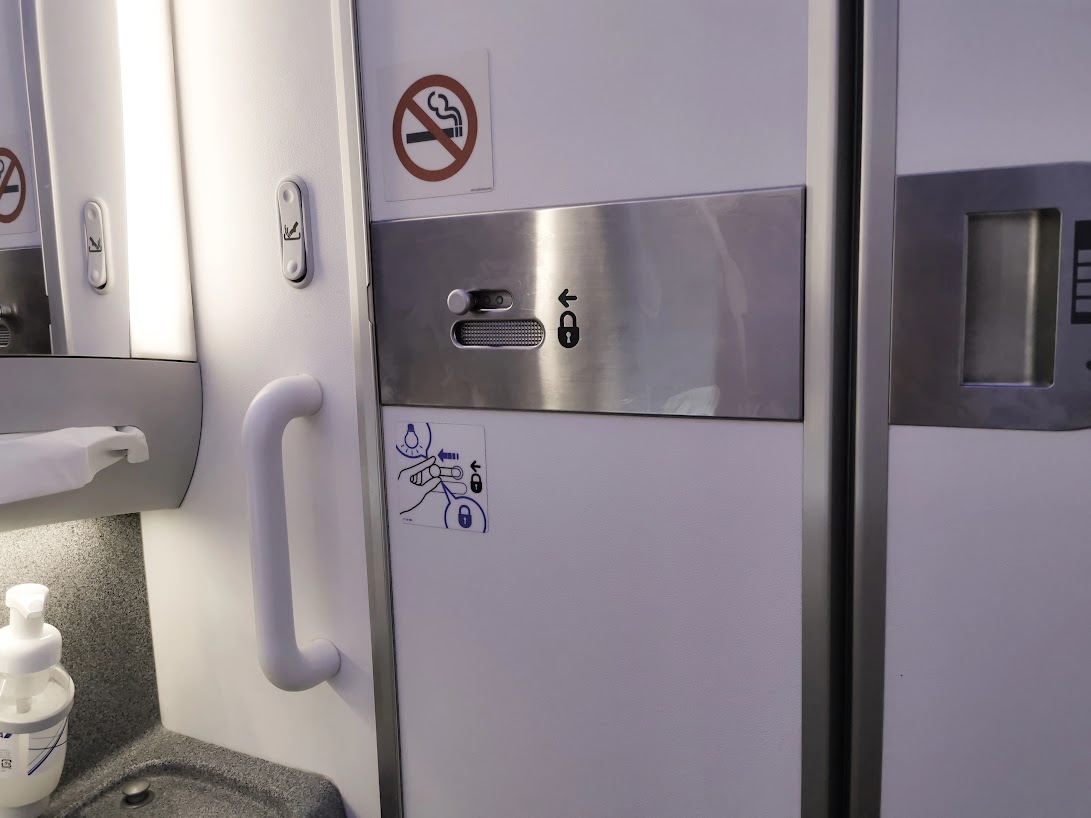
This system has two important benefits:
- It avoids using large amounts of water, which would add too much weight on an aircraft.
- It keeps the waste fully contained until the plane lands.
- Because of this design, what you flush does not get released into the air below the aircraft or anywhere outside during flight.
Sealed Waste Tanks Until Landing
Once flushed, everything goes into a sealed storage compartment toward the rear of the aircraft where it stays until the plane reaches the ground. These tanks are completely closed off from the cabin atmosphere, which prevents smells and contamination. After landing, a special service truck — often called a “honey truck” — connects to the aircraft’s waste system. Ground crew then vacuum out the contents into the truck’s tank, which is later transferred to an airport sewage facility or treatment plant for safe disposal. This system is similar to large RV or boat septic tanks: waste is stored until it can be properly and safely removed once the vehicle is stopped.
Why People Still Ask This Question
Despite this explanation being widely known among pilots and flight attendants, myths about waste being dumped out mid-flight persist. Many people assumed that there must be a manual release mechanism — especially because in decades past, before vacuum systems, older lavatories did use other storage methods. The confusion is strong enough that videos from pilots on social platforms like TikTok have racked up millions of views as they clarify this very point.
That “Flush Sound” Explained
If you’ve ever wondered why an airplane toilet flush sounds louder and more “whooshy” than your home toilet, it’s because of the vacuum system. The pressure differential between the cabin and the vacuum lines creates a powerful suction noise that clears everything out quickly with minimal fluid. Some systems also use a bit of blue sanitation fluid to help control odors and break down waste.
A Note on “Blue Ice” Myths
There have been rare instances where frozen waste known as “blue ice” has fallen from aircraft, but these occurrences are accidents — caused by leaks or seal failure — not normal operation.
In Summary
When you flush on a plane, waste is vacuum-sucked into a sealed tank.
- Nothing is dumped mid-flight — it stays on board until landing.
- Ground crews then empty the tanks safely after the flight lands.
- The familiar whooshing noise comes from the pressure-based vacuum system in action.