A common kitchen question many home cooks ask is whether it’s really necessary to wash carrots before peeling them. Some people skip the rinsing step, believing peeling removes all dirt and bacteria. Others insist that washing first is essential. The short answer from food safety experts is: yes — it’s important to wash carrots before peeling, even if you plan to peel them. Understanding why can help you make safer, cleaner meals with less risk of contamination.
Why Washing Matters
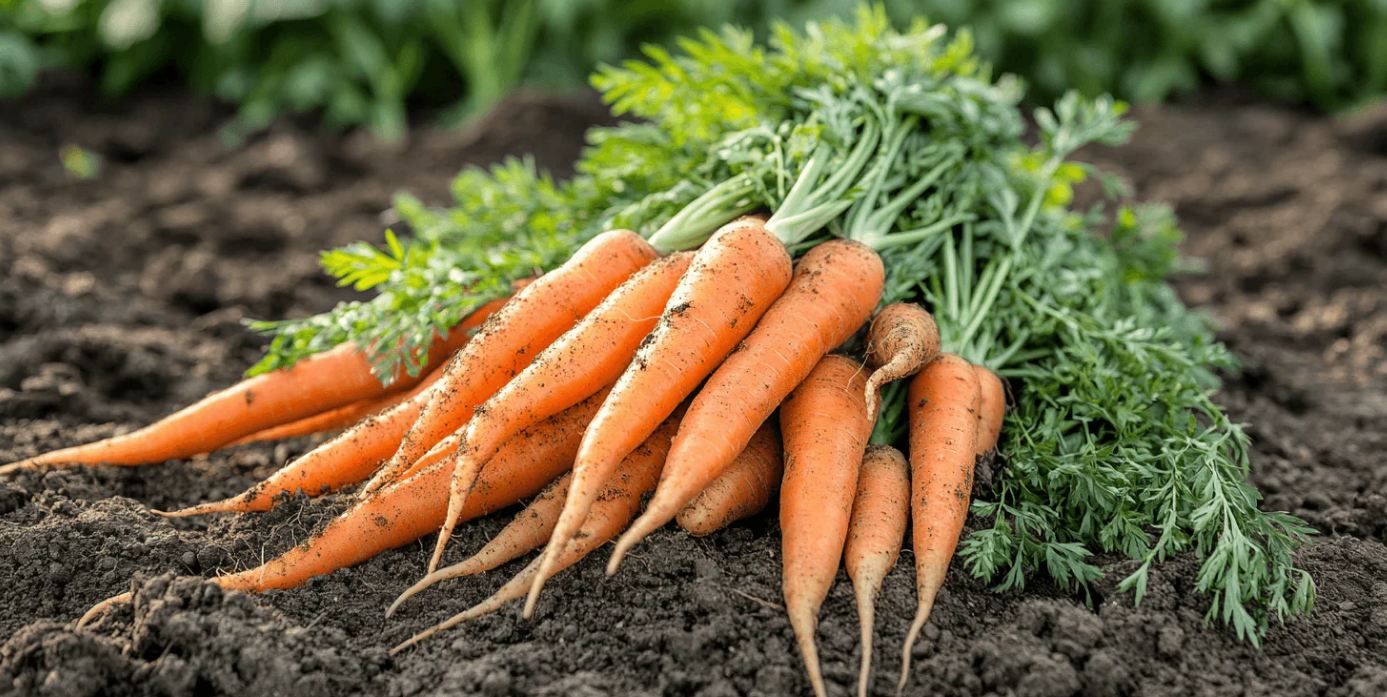
Carrots grow underground, and as a result, they’re often covered in soil, bacteria, and residues when you purchase them. Even if their skin looks relatively clean, microscopic particles can hide in crevices and clings to the surface. Peelers are designed to remove only a thin outer layer, but if dirt or bacteria is pressed into the surface, a peeler might drag those contaminants deeper into the vegetable rather than removing them. Washing first helps rinse away the top layer of soil and microbes, making peeling safer and cleaner. Additionally, farmers sometimes treat fields with fertilizers or other products that can leave residues on vegetables. Proper washing helps minimize potential exposure.
How to Wash Carrots Properly
Here’s a simple method to wash carrots effectively before peeling or eating them:
- Rinse under cool running water: Hold each carrot under running water and rub it lightly with your fingers. This helps remove loose dirt.
- Use a vegetable brush: For carrots that look especially dirty, a soft vegetable brush can help scrub the surface without damaging the vegetable.
- Trim the ends: Cut off the tops and tips before further preparation.
- Peel if desired: Once clean, you can peel or leave them unpeeled depending on your recipe.
- By washing first, you minimize the chance of dragging dirt into the interior of the carrot with your peeler or knife.
Is It Okay to Leave Carrots Unpeeled?
Yes — in many recipes, leaving the peel on carrots is perfectly fine, and often nutritious. The skin contains nutrients and fiber, and if the carrot has been washed thoroughly, there’s no safety reason to remove it. Peeling is mainly about texture and appearance — some people prefer the smooth feel or look of peeled carrots, especially in purees or delicate dishes. But for roasting, snacking, salads, and many everyday uses, clean unpeeled carrots work well.
What About Pre-Washed or Organic Carrots?
Pre-washed and packaged carrots are often cleaner than loose ones, but they still benefit from a quick rinse before use. That’s because:
- They can pick up contaminants during packaging, handling, or transportation.
- Even “pre-washed” doesn’t guarantee sterilization — it usually just means visibly clean.
- Organic carrots may be grown without synthetic pesticides, but they can still carry soil bacteria or other natural residues. So regardless of the label, washing is a good practice.
Food Safety Tips for Root Vegetables
While carrots are one example, this washing rule applies to most root vegetables — including beets, parsnips, and radishes. General tips include:
- Wash all produce before eating or cooking.
- Separate produce prep from raw meat prep to avoid cross-contamination.
- Store vegetables properly in the fridge crisper or in cool, dry conditions.
- When in doubt, rinse again — a quick wash under cool water does no harm.
Final Takeaway
Skipping the rinse step might save a few seconds in the kitchen, but washing carrots before peeling or cooking is a simple, effective way to improve cleanliness and reduce risk. Whether you peel them or not, running carrots under cool water (and using a brush if necessary) ensures your food is both delicious and safe to eat.