Recent news reports have discussed the idea that parts of the female reproductive system including the uterus and fallopian tubes might contain taste receptors similar to those on the tongue, sometimes described in headlines as the uterus being able to “taste” sperm.
What Are Taste Receptors?
Taste receptors are proteins that detect chemicals. On the tongue, they allow us to perceive bitter, sweet, salty, sour and umami flavors. The family of receptors that detects bitter compounds is called Type 2 taste receptors (TAS2Rs).
Taste Receptors Beyond the Tongue
Scientists have discovered that TAS2Rs are not limited to the mouth. These receptors have been found in many other parts of the body, including the airways, gastrointestinal tract, and organs involved in reproduction. They do not give conscious taste in these locations — instead, they can act as chemical sensors that trigger cellular responses to specific molecules.
TAS2Rs in the Female Reproductive System
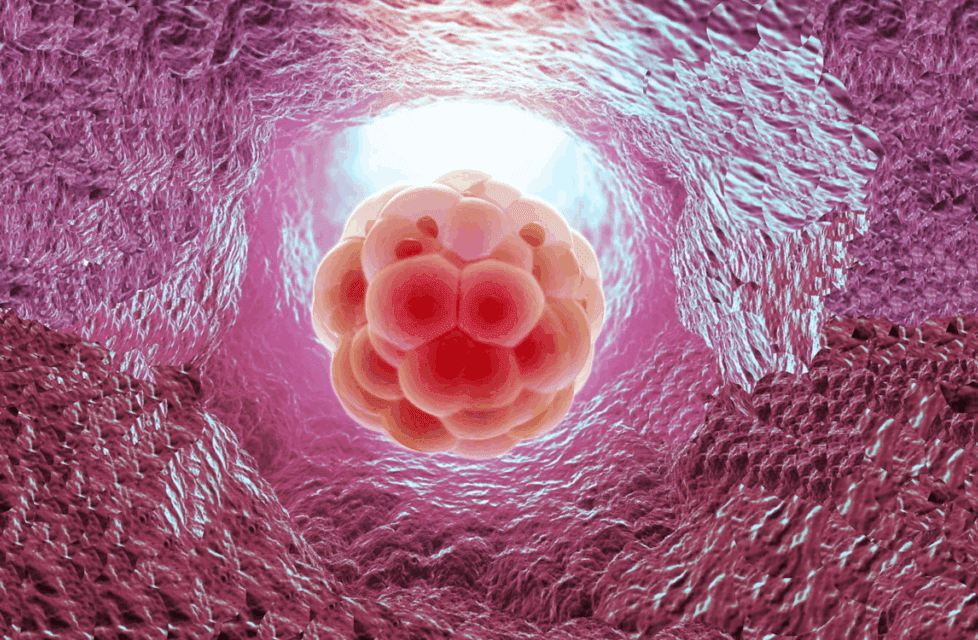
Research shows that bitter taste receptors and their related signaling molecules are expressed in cells involved in female fertility, such as ovarian follicle cells and possibly other reproductive tissues. These receptors are thought to help the body sense the chemical environment in the reproductive tract. In scientific terms, when these receptors detect certain molecules, they can trigger intracellular signaling pathways that influence cell behavior — for example, regulating immune responses or affecting smooth muscle activity.
“Tasting” Sperm — What That Really Means
The way the claim is often phrased in popular articles — that a woman’s uterus can “taste” sperm — is a simplified and somewhat misleading way of saying that chemical sensors similar to bitter taste receptors exist in reproductive tissues. That doesn’t mean the uterus literally tastes sperm like the tongue tastes food. Instead, chemical cues in the reproductive tract can be detected by TAS2R receptors, which may influence biological processes such as uterine muscle relaxation, immune signaling, or other cellular responses.
Broader Importance of TAS2Rs in Reproduction
Scientists are still exploring the full functions of these receptors in reproductive health. In males, some TAS2Rs are expressed in sperm cells and testicular tissue, and may play roles in sperm development and movement. In females, researchers are investigating how these receptors may contribute to fertility processes, immune defense in the reproductive tract, and even uterine function.

What This Means for Fertility and Conception
Scientists believe these chemical sensors may play a role in supporting successful fertilization. When sperm enters the female reproductive tract, it introduces not only cells but also a complex mixture of proteins and signaling molecules. TAS2R receptors may help uterine or fallopian tube cells recognize these molecules and respond appropriately, for example by adjusting muscle contractions that help guide sperm toward the egg. Some researchers suggest these receptors could also help the body distinguish between healthy and damaged sperm, although this area is still being actively studied. Rather than “choosing” sperm in a conscious sense, the reproductive tract may be reacting to biochemical cues that influence which sperm are more likely to survive and progress.
A Role in Immune Protection
Another important function of TAS2R receptors is linked to the immune system. The female reproductive tract must strike a delicate balance: it needs to protect against harmful bacteria and pathogens, while not attacking sperm, which are genetically foreign to the body. Taste-like receptors may help regulate this balance by detecting potentially harmful substances and triggering localized immune responses. This could help explain why these receptors are present in tissues where infection control is critical, such as the uterus and cervix. In this context, the receptors act less like taste buds and more like early warning sensors.