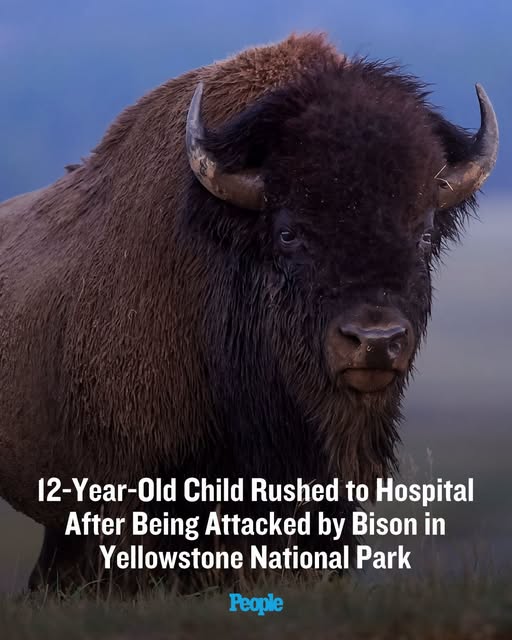
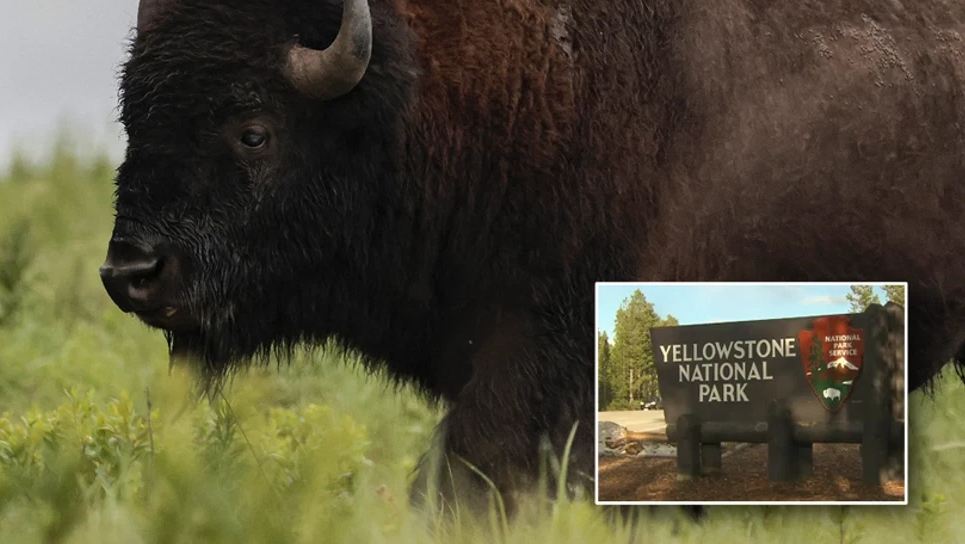
A 12-year-old child was injured after being attacked by a bison during a visit to Yellowstone National Park, highlighting the importance of maintaining a safe distance from wildlife in one of America’s most popular national parks. Park officials say the incident occurred when a group of visitors came too close to the animal, prompting it to react defensively.
What Happened?
According to park authorities, the child was part of a group that approached the bison more closely than recommended. During the encounter, the animal charged and made contact with the child, causing injuries. Emergency responders quickly arrived at the scene and provided medical assistance before the child was transported for further evaluation and treatment. Officials have not released additional details about the extent of the injuries but confirmed that the incident remains under investigation.
Why Bison Can Be Dangerous
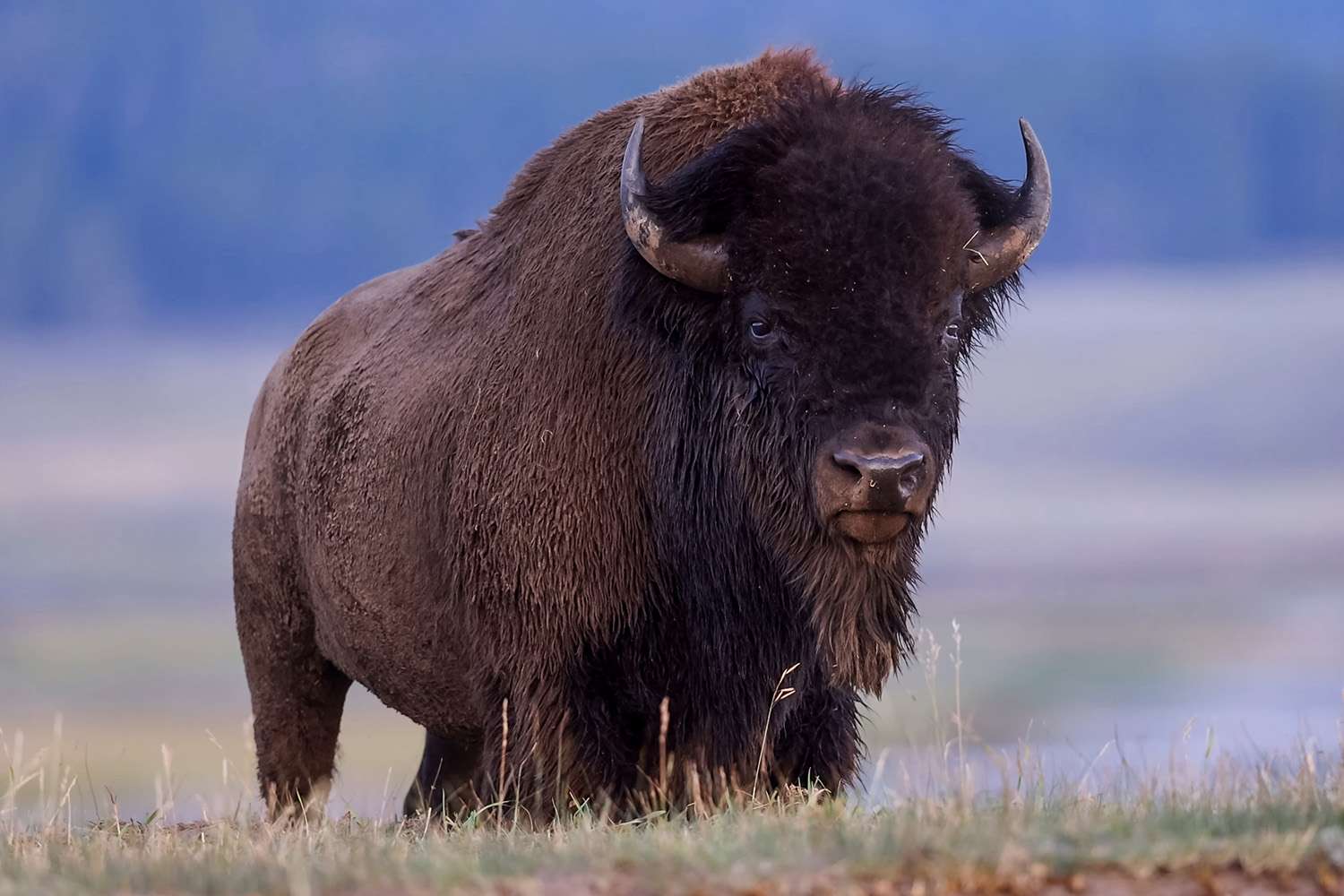
Although bison may appear calm while grazing, they are powerful wild animals capable of moving much faster than many people realize. Adult bison can weigh up to 2,000 pounds (900 kilograms) and are able to run at speeds of up to 35 miles per hour (56 km/h). When they feel threatened or perceive people as being too close, they may charge without warning to defend themselves or their young. Because of their size and speed, encounters with bison can result in serious injuries.
Park Safety Guidelines
Yellowstone National Park advises visitors to remain at least 25 yards (23 meters) away from bison and other large animals, including elk, deer, and moose. For predators such as bears and wolves, the recommended minimum distance is 100 yards (91 meters). Officials stress that approaching wildlife for photographs or a closer view significantly increases the risk of dangerous encounters. Visitors are encouraged to stay on designated paths, observe animals from a safe distance, and never attempt to feed or interact with wildlife.
Wildlife Is Unpredictable
Every year, Yellowstone attracts millions of visitors hoping to experience its unique landscapes and diverse wildlife. While seeing animals in their natural habitat is one of the park’s biggest attractions, experts remind visitors that these animals are not domesticated. Even if an animal appears relaxed, its behavior can change suddenly if it feels threatened, startled, or protective of its territory. Maintaining the recommended distance allows both visitors and wildlife to remain safe.
A Reminder for All Visitors
Incidents involving wildlife serve as an important reminder that national parks are home to animals living in their natural environment. Respecting park regulations helps reduce the risk of injuries and protects both people and wildlife. Park officials continue to encourage all visitors to follow safety guidance, remain aware of their surroundings, and remember that observing wildlife from a respectful distance is the safest way to enjoy the experience. By following these simple precautions, visitors can help ensure that memorable trips to Yellowstone remain safe for everyone involved.
Conclusion
The incident involving the 12-year-old at Yellowstone National Park is a powerful reminder that wild animals should always be treated with caution and respect. While encounters with wildlife can be unforgettable, getting too close can quickly become dangerous. By following park safety guidelines and keeping a safe distance from animals, visitors can help protect themselves, their families, and the wildlife that makes Yellowstone one of the world’s most remarkable natural destinations.