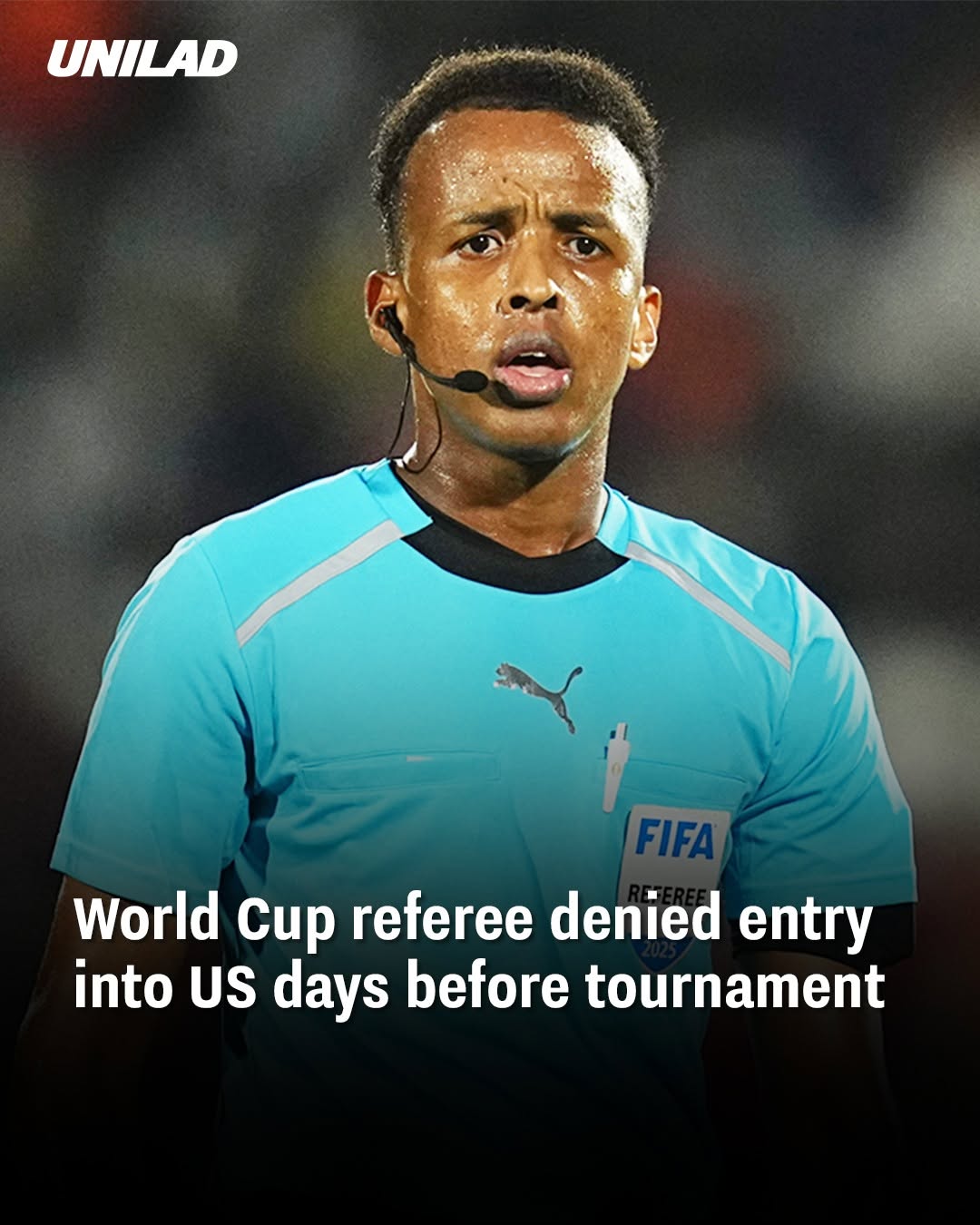
Preparations for the 2026 FIFA World Cup have been overshadowed by another immigration controversy after a Somali football official was reportedly denied entry into the United States despite holding valid travel documents.
The incident involved Omar Artan, president of the Somali Football Federation, who had been scheduled to attend football-related events connected to the upcoming tournament. His inability to enter the country has sparked concern among sporting officials and renewed discussions about the challenges international delegates can face when traveling to major events.
Somali Football Chief Turned Away
According to reports, Artan arrived in the United States expecting to participate in meetings and activities linked to the World Cup. Despite possessing the necessary documentation to travel, immigration officials allegedly prevented him from entering the country. Details surrounding the decision remain limited, and US authorities have not publicly disclosed the specific reasons behind the denial. The Somali Football Federation later confirmed that its president had been unable to proceed with his planned visit, describing the development as both unexpected and disappointing.

A Growing Pattern of Concerns
Artan’s case emerged only days after reports that other football figures experienced difficulties entering the United States ahead of World Cup-related commitments. Those incidents prompted questions about whether the increased security measures surrounding major international events could unintentionally complicate travel for athletes, officials, media personnel, and support staff arriving from around the world. While every case is assessed individually, the repeated reports have generated debate among football fans and observers regarding the balance between national security and the smooth operation of global sporting competitions.
The United States Faces Unique Challenges
The 2026 FIFA World Cup, which will be co-hosted by the United States, Canada, and Mexico, is expected to become the largest edition of the tournament in history. With 48 national teams participating, hundreds of officials, thousands of accredited personnel, and millions of supporters are expected to cross international borders during the competition. Managing immigration procedures on such a scale presents significant logistical challenges, particularly as authorities attempt to maintain strict security standards. Experts have previously noted that hosting global events requires extensive coordination between governments, sporting organizations, and border agencies to avoid unnecessary disruptions.
Somalia’s Growing Football Ambitions
Although Somalia has yet to qualify for a FIFA World Cup, the country’s football leadership has been working to strengthen the sport domestically and increase its presence within international football circles. As president of the Somali Football Federation, Artan has played a role in representing the nation’s interests at regional and global meetings. Missing major gatherings tied to the World Cup could limit opportunities to build relationships and participate in discussions that shape the future of the game. For smaller footballing nations, these events often provide valuable platforms for collaboration, development initiatives, and increased visibility.
Calls for Greater Clarity
The incident has led some observers to call for greater transparency regarding entry decisions affecting accredited sporting representatives. Supporters argue that clearer communication would help national federations better understand travel requirements and reduce uncertainty before major tournaments. At the same time, immigration authorities maintain broad discretion when determining whether travelers meet all conditions for admission. As a result, even individuals involved in internationally recognized sporting events may still face additional screening or denial of entry under existing regulations.

Focus Remains on the World Cup
Despite the controversy, preparations for the 2026 FIFA World Cup continue at full pace. Organizers remain focused on delivering a successful tournament that showcases football on its biggest stage while welcoming participants from every corner of the globe. For Omar Artan and Somalia’s football community, however, the incident serves as a reminder that the journey to the world’s most celebrated sporting events sometimes involves obstacles far beyond the pitch. As anticipation builds for the historic competition, many will be watching closely to see how future travel concerns involving players and officials are handled in the months ahead.