For decades, blood type has primarily been associated with transfusions and emergency medicine. Most people know whether they are type A, B, AB, or O, but rarely think about what those letters might reveal beyond compatibility during blood donation. However, researchers have increasingly explored whether a person’s blood type could influence their likelihood of developing certain health conditions. While blood type does not determine your destiny, studies suggest it may play a small role in shaping disease risk.
Here’s what scientists currently understand about the intriguing connection between blood type and health.
Understanding Blood Types
Human blood is generally classified according to the ABO system.
There are four main blood groups:
Type A
Type B
Type AB
Type O
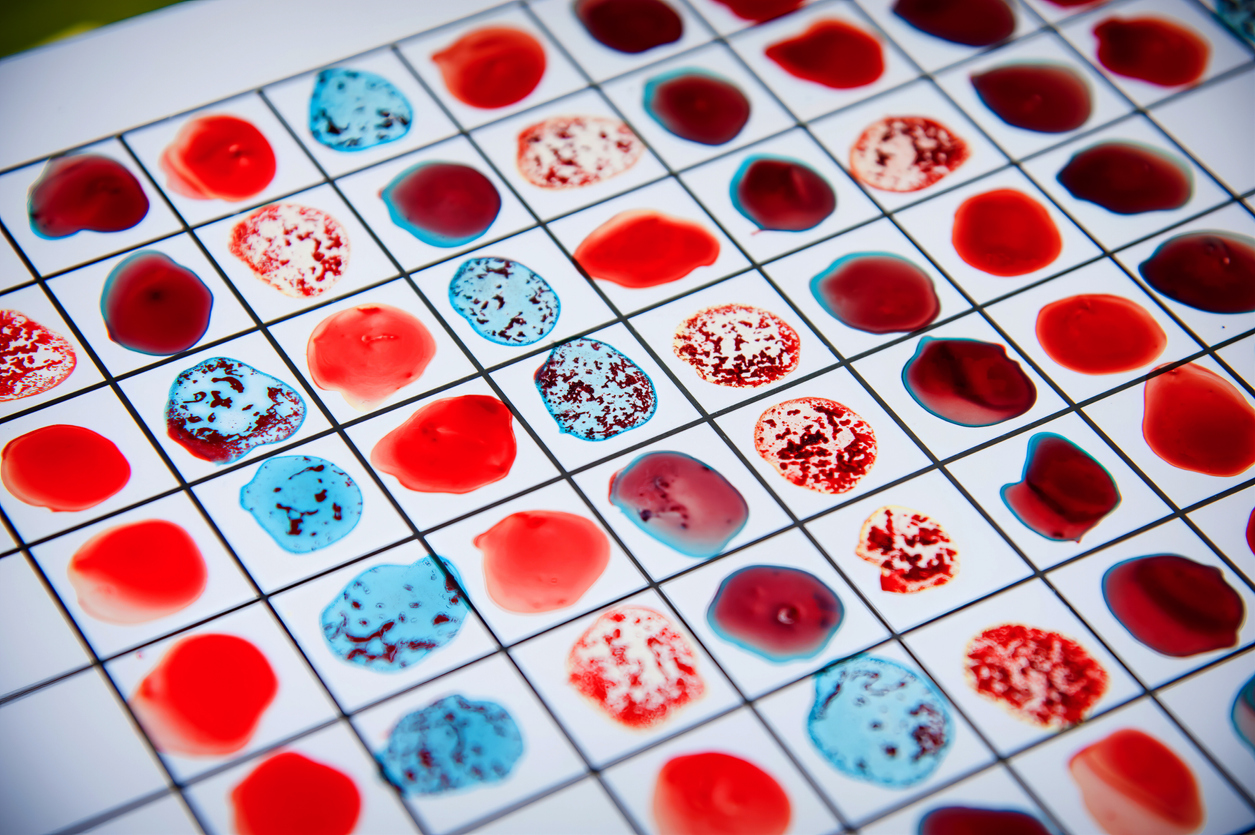
Each blood type is defined by the presence or absence of specific antigens found on the surface of red blood cells. These antigens help the immune system distinguish between the body’s own cells and foreign substances. Another important classification is the Rh factor, which determines whether blood is positive or negative. Although these characteristics are inherited genetically, researchers believe they may also influence biological processes beyond blood transfusion compatibility.
Blood Type and Heart Disease
Several studies have suggested that people with non-O blood types—A, B, and AB—may have a slightly higher risk of developing cardiovascular conditions compared with those who have type O blood. One theory is that individuals with non-O blood types tend to have higher levels of certain clotting proteins, including von Willebrand factor and factor VIII. Elevated levels of these proteins may increase the likelihood of blood clot formation. It’s important to emphasize that blood type is only one potential risk factor among many. Smoking, poor diet, lack of exercise, high blood pressure, diabetes, and family history generally have a much greater impact on cardiovascular health.
The Risk of Blood Clots
Research has also linked non-O blood types to a modestly increased risk of deep vein thrombosis and pulmonary embolism. These conditions occur when blood clots form in veins and potentially travel to the lungs. Scientists believe the same clotting mechanisms associated with cardiovascular disease may contribute to this increased susceptibility. Even so, having a non-O blood type does not mean a person will inevitably experience these problems. Most people with these blood groups never develop serious clotting disorders.
Blood Type and Certain Cancers
Some investigations have examined whether blood type may influence cancer risk. A few studies have found that individuals with type A blood could have a slightly higher likelihood of developing certain cancers, including stomach cancer. Researchers have proposed that differences in immune responses and inflammation might partly explain the association. At the same time, findings across studies have not always been consistent, and experts caution against drawing broad conclusions. Cancer development is influenced by a complex interaction of genetics, lifestyle choices, environmental exposures, and age.
Infectious Diseases and Blood Groups
Blood type may also affect how the body responds to particular infections. Scientists have observed that certain pathogens appear to interact differently with specific blood group antigens. For example, some evidence suggests that people with type O blood may have partial protection against severe forms of certain infectious diseases, while other blood types could offer advantages against different pathogens. These effects are generally modest and should not be interpreted as immunity or guaranteed vulnerability. Good hygiene practices, vaccinations, and timely medical care remain the most effective ways to reduce infection risk.
What Blood Type Cannot Predict
Although the research is fascinating, blood type should never be viewed as a crystal ball for future health. Having a particular blood group does not guarantee that someone will develop a disease, nor does it ensure protection against illness. Doctors stress that established risk factors remain far more important when assessing long-term health outcomes. Maintaining a healthy weight, staying physically active, avoiding tobacco, limiting alcohol consumption, managing stress, and attending regular medical checkups can significantly influence overall well-being.
Should You Be Concerned?
For most people, the answer is no. Knowing your blood type can provide useful information and may contribute to a broader understanding of your health profile, but it should not be a source of fear or false reassurance. Instead, experts encourage individuals to focus on the aspects of health they can control. Blood type is part of your genetic blueprint, but it represents only a small piece of a much larger picture.

The Bottom Line
The relationship between blood type and disease risk continues to be an active area of scientific research. Evidence suggests that certain blood groups may be associated with slightly higher or lower risks for specific conditions, including blood clots, heart disease, and some infections. However, these links are generally modest and do not outweigh the importance of lifestyle and preventive healthcare. Your blood type may offer clues about how your body functions, but it does not define your future. Ultimately, the choices you make each day—how you eat, move, sleep, and care for your health—remain among the most powerful factors influencing your long-term well-being.