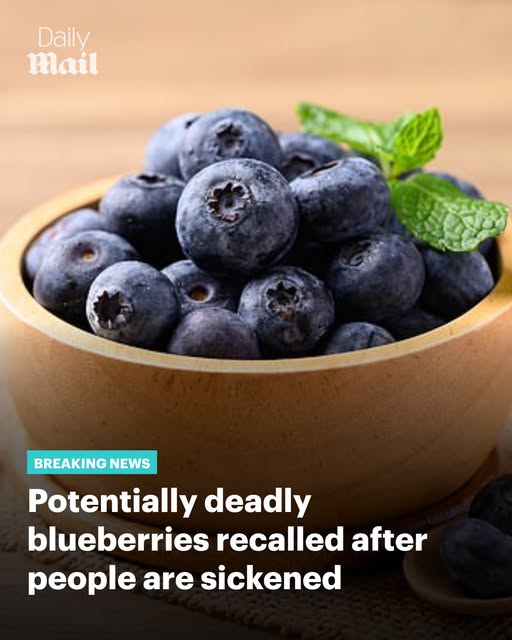
Health officials are urging consumers to check their freezers after a batch of frozen organic blueberries sold at Publix supermarkets was recalled following an outbreak of E. coli O145 infections. The recall was announced after multiple people became ill, prompting an investigation by federal health authorities into the contaminated product.
Although the recall affects only one specific batch of blueberries, officials say consumers should take the warning seriously, as certain strains of E. coli can cause severe illness and, in some cases, life-threatening complications.
Which Blueberries Are Being Recalled?
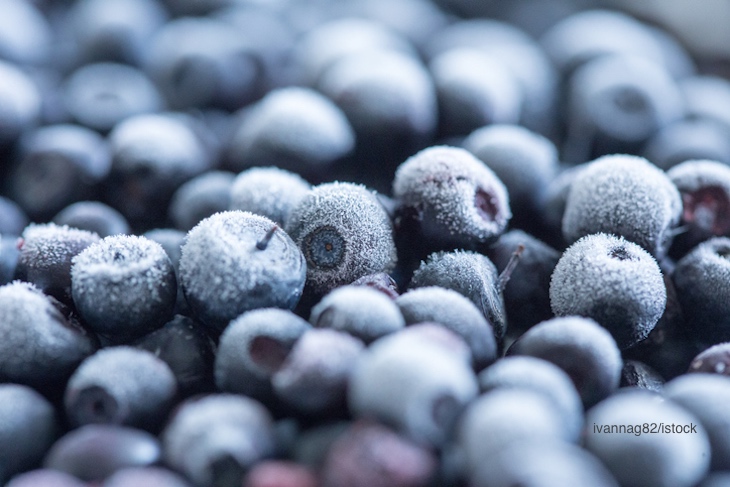
The recalled product is GreenWise Organic IQF Frozen Blueberries, sold in 10-ounce bags at Publix stores. According to the recall notice, only packages with lot code 60401 and a best-by date of February 9, 2028 are affected. The blueberries were distributed to Publix locations in Alabama, Florida, Georgia, Kentucky, North Carolina, South Carolina, Tennessee, and Virginia. Consumers who purchased this specific product are advised not to eat it. Instead, they should either throw it away or return it to the store for a refund.
Illnesses Prompt Federal Investigation
The recall was initiated after health authorities linked the product to 12 confirmed cases of E. coli infection reported between May and June. Several people required hospitalization, although no deaths have been reported. Investigators identified the frozen blueberries as the leading suspected source after interviewing patients and tracing their recent food consumption. Federal agencies continue to investigate the outbreak while working with the manufacturer and retailer to determine how the contamination occurred.
Understanding E. coli O145
The strain involved in this outbreak, E. coli O145, belongs to a group of bacteria capable of producing Shiga toxins, which can cause serious gastrointestinal illness. Common symptoms include severe stomach cramps, diarrhea that may become bloody, vomiting, nausea, and occasionally a low-grade fever. Symptoms usually begin a few days after consuming contaminated food and may last for about a week. While many healthy adults recover without long-term problems, young children, older adults, pregnant women, and people with weakened immune systems face a greater risk of developing hemolytic uremic syndrome (HUS), a rare but potentially life-threatening condition that can damage the kidneys.
What Consumers Should Do
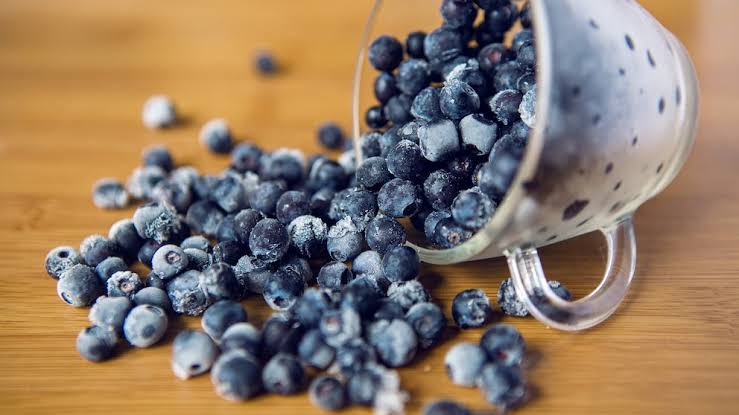
Anyone who has the recalled blueberries should avoid eating them, even if the fruit looks and smells normal. Freezing does not destroy E. coli bacteria, meaning contaminated products can still cause illness after being stored for months. Consumers are encouraged to check the package carefully for the matching lot code and best-by date. If the product matches the recall, it should be discarded safely or returned to the retailer for a refund. People who recently ate the recalled blueberries and develop symptoms such as severe diarrhea, persistent stomach pain, vomiting, or signs of dehydration should contact a healthcare provider as soon as possible. Medical attention is especially important if symptoms worsen or include bloody diarrhea or reduced urination.
Food Safety Remains Essential
Food recalls are an important part of protecting public health, allowing contaminated products to be removed from store shelves before more people become ill. Although outbreaks involving frozen fruit are relatively uncommon, they highlight the importance of monitoring food production and responding quickly when contamination is suspected. Consumers can reduce their risk by staying informed about recall notices, checking products stored in their homes, and following advice from health authorities whenever a food safety alert is issued. In this case, officials emphasize that the recall applies only to one identified batch of frozen blueberries. Nevertheless, anyone who purchased the affected product should act promptly to prevent further illnesses while investigators continue working to identify the exact source of the contamination.