
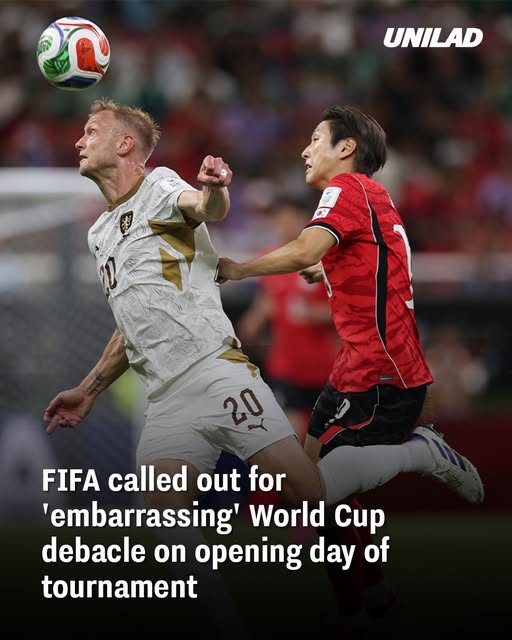
The sight of empty seats at the 2026 FIFA World Cup has ignited a global conversation among football fans, raising concerns about whether the sport’s biggest tournament is becoming too expensive for ordinary supporters.
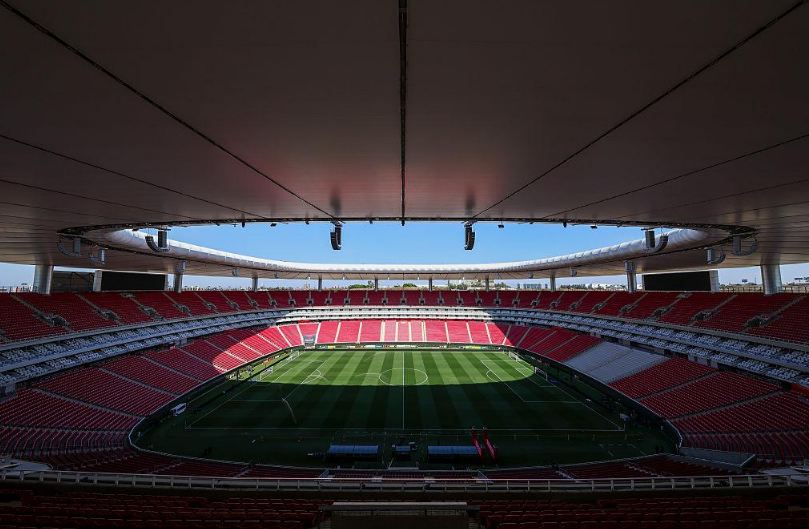
During the World Cup match between South Korea and the Czech Republic in Guadalajara, Mexico, television viewers noticed several sections of unoccupied seats throughout the stadium. Instead of focusing solely on the action taking place on the pitch, many fans took to social media to question why a supposedly sold-out event appeared to have so many visible gaps in the crowd.
Fans Question What They Saw
According to FIFA, the official attendance for the match was 44,985 spectators. The stadium’s capacity is approximately 46,000, meaning organizers maintain that the venue was nearly full. However, many viewers found it difficult to reconcile those figures with the images shown during the broadcast. Screenshots of empty sections quickly circulated online, with supporters expressing skepticism about whether the official attendance accurately reflected the atmosphere inside the stadium. Some fans pointed out that attendance numbers often represent tickets distributed or sold rather than the actual number of people sitting in their seats at any given moment. Even so, the visual contrast sparked widespread debate and criticism.
Rising Ticket Prices Under Scrutiny
At the heart of the controversy is the growing cost of attending World Cup matches. The 2026 tournament, jointly hosted by the United States, Canada, and Mexico, has introduced ticket prices that many supporters believe are significantly higher than in previous editions of the competition. Reports suggest that standard tickets for certain matches have cost several hundred dollars, while premium hospitality packages can run into the thousands. For families hoping to attend together, the overall expense can quickly become overwhelming once travel, accommodation, food, and transportation are added to the bill. For many supporters, the increasing financial burden has transformed what was once a dream experience into an unattainable luxury.
Concerns Over Variable Pricing
Another major point of criticism is FIFA’s use of variable pricing. This system allows ticket prices to fluctuate depending on demand, similar to models commonly used in the airline industry and for major concerts. While organizers argue that dynamic pricing reflects market conditions and maximizes efficiency, critics believe it prioritizes profits over accessibility. Supporters argue that football’s greatest tournament should remain affordable to the fans who have followed their national teams for years rather than becoming an event dominated by wealthy spectators and corporate guests.
Fan Groups Voice Their Frustration
Supporter organizations have repeatedly warned about the consequences of rising costs. Football Supporters Europe has expressed concern that excessive ticket prices risk alienating ordinary fans who create the unique atmosphere that defines World Cup football. Passionate supporters traveling across continents have historically been one of the tournament’s greatest attractions. Many fear that pricing policies could gradually erode that tradition, replacing authentic fan culture with a more commercialized environment.
FIFA Defends Its Approach
FIFA President Gianni Infantino has defended the organization’s ticketing strategy, arguing that prices are comparable to those charged at other major international sporting events. He has also emphasized that demand for the 2026 World Cup remains extremely strong. FIFA reports that more than six million tickets have been sold across the tournament, suggesting that interest in the expanded competition remains high despite the criticism. Organizers maintain that isolated images of empty seats should not overshadow the broader success of the event.

A Bigger Question for Football
The 2026 World Cup is the largest in history, featuring 48 teams and 104 matches. With more games spread across three host nations, it is perhaps inevitable that some fixtures will generate different levels of interest. Travel challenges, kickoff times, and the appeal of specific matchups can all influence attendance. Yet the images from Guadalajara have reignited an important conversation about the future of the sport. As football continues to expand and generate record revenues, many supporters are asking whether the World Cup can preserve its connection to everyday fans. The debate over empty seats may ultimately represent something far greater than one match in Mexico. It highlights a growing concern that football’s most celebrated tournament risks drifting away from the people whose passion helped make it the world’s game. The question now being asked by supporters around the globe is simple: as the World Cup grows bigger and more profitable, who is it truly being built for?