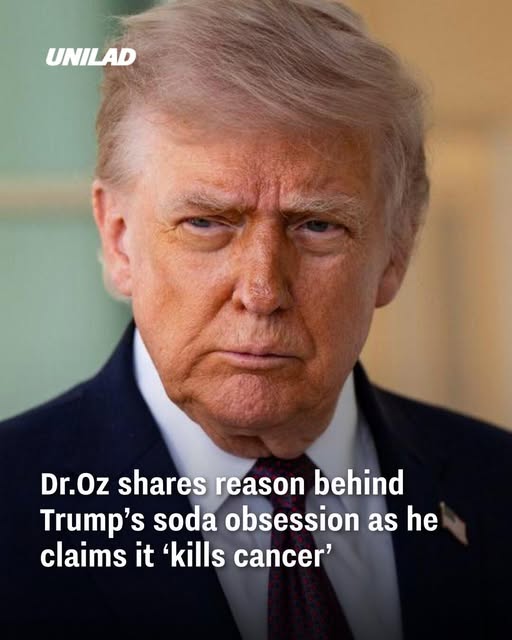
A recent discussion involving Dr. Mehmet Oz has sparked widespread debate after he shared an unusual claim reportedly made by Donald Trump about diet soda. According to Oz, Trump suggested that drinking diet soda could potentially kill cancer cells—a statement that quickly drew attention online and among health experts.
The claim was not presented as scientific fact but rather as part of a conversation Oz described during a podcast appearance. Still, the idea itself raised eyebrows due to its lack of medical backing and the serious nature of the topic.
The Logic Behind the Statement
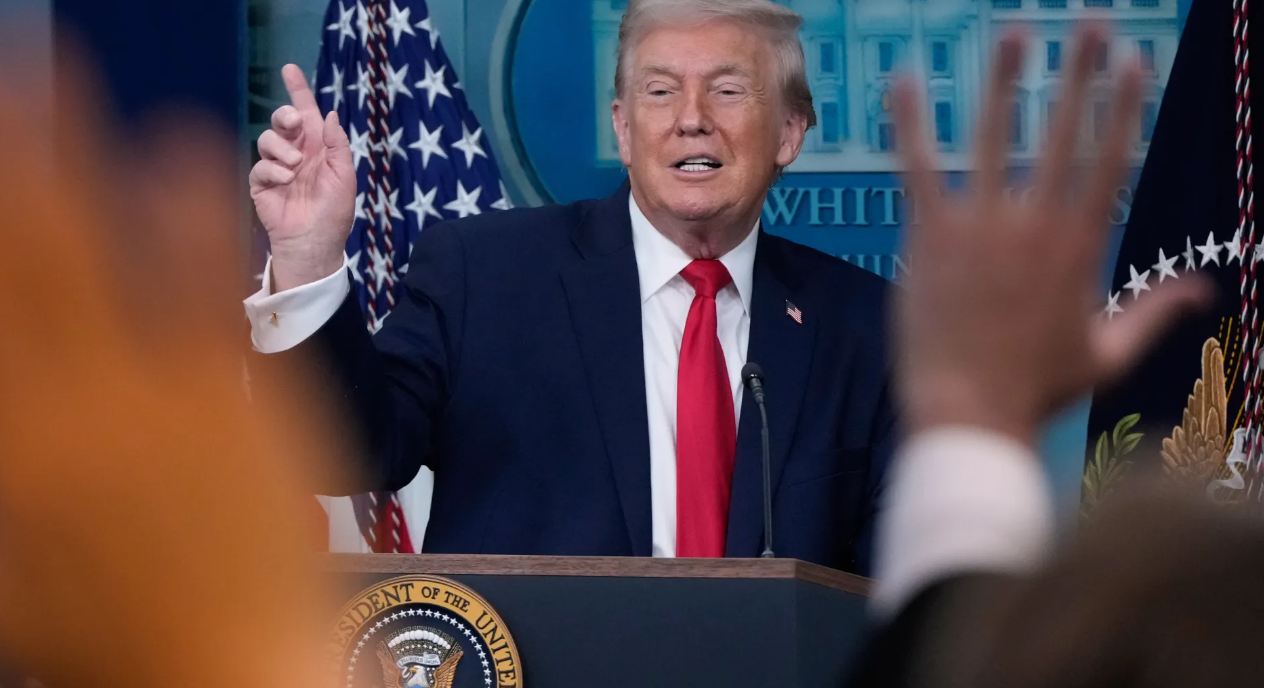
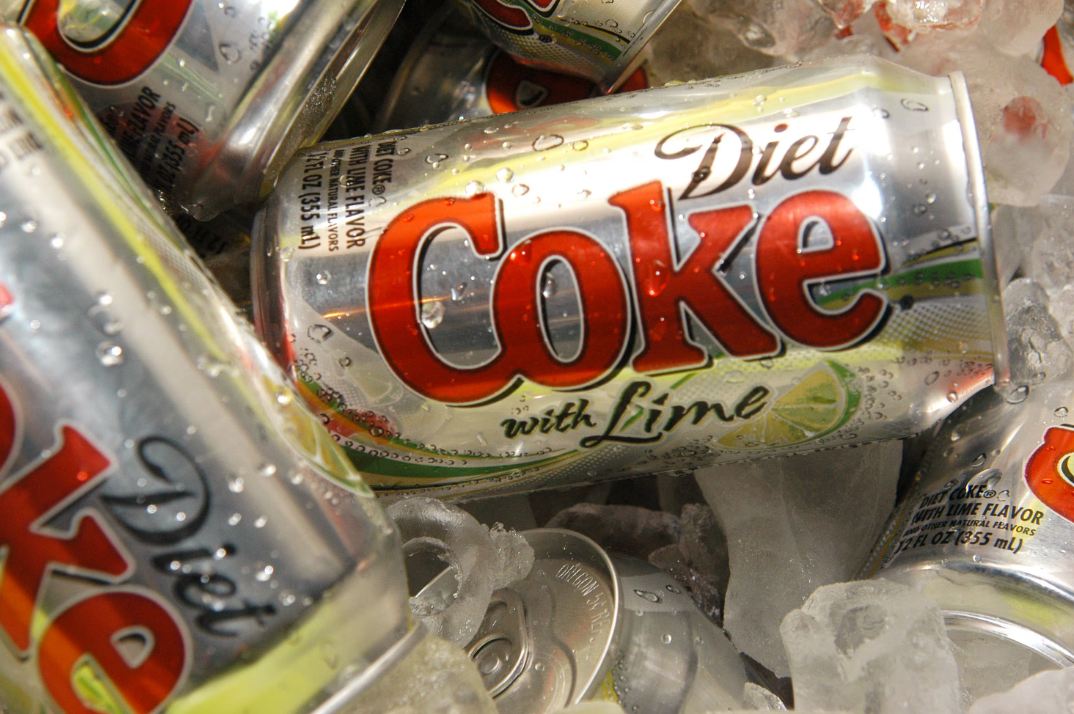
Oz explained that Trump’s reasoning was based on a simple observation: diet soda can damage grass when poured on it. From that, Trump reportedly concluded that if it can kill grass, it might also be able to kill cancer cells inside the human body. The remark was shared in a somewhat humorous context, but it nevertheless fueled discussions about how public figures talk about health and science. Trump also reportedly joked about orange soda, suggesting it could not be too unhealthy because it is “freshly squeezed,” adding to the controversy.
Medical Experts Push Back
Health professionals have been quick to challenge the claim, emphasizing that there is no scientific evidence linking diet soda to cancer prevention or treatment. Experts note that while diet sodas contain fewer calories than sugary drinks, they do not offer any meaningful health benefits. In fact, some studies suggest that frequent consumption of diet soda may be associated with other health concerns, such as metabolic issues or weight gain. Nutrition specialists also stress that such beverages should not replace water or healthier alternatives in a balanced diet. Importantly, the idea that a substance harmful to plants would have the same effect on cancer cells in the human body is not supported by medical science. Human biology is far more complex, and cancer treatment requires targeted, evidence-based approaches.
Public Reaction and Online Debate
The comments quickly spread across social media, where reactions ranged from amusement to concern. Some users treated the statement as a joke, while others criticized it as potentially misleading, especially given the influence of public figures. The situation also highlights a recurring issue in modern discourse: how easily unconventional or unsupported health claims can gain traction online. Even when shared casually, such statements can contribute to confusion about serious medical topics.
A Reminder About Reliable Health Information
This incident underscores the importance of relying on credible medical advice when it comes to health decisions. Cancer is a complex disease that requires scientifically proven treatments such as chemotherapy, radiation, and targeted therapies—not everyday beverages. While diet soda may be a popular drink choice for many people, it should not be viewed as a health solution. Experts consistently recommend focusing on a balanced diet, regular exercise, and guidance from qualified healthcare professionals.
Conclusion
The discussion sparked by Dr. Oz’s remarks offers a clear example of how quickly unusual ideas can capture public attention. While the claim about diet soda and cancer may have been shared in a lighthearted way, it highlights the need for caution when discussing health topics in public spaces. In the end, the consensus among medical experts remains clear: there is no evidence that diet soda can kill cancer cells, and such claims should not be taken as medical advice.