High-protein diets have become one of the biggest health trends in recent years, with protein shakes, protein bars, and meat-heavy meal plans dominating social media. Many people associate high protein intake with fitness, weight loss, and muscle growth.
However, doctors are now warning that consuming excessive amounts of protein especially animal protein could increase the risk of developing painful kidney stones.
Medical experts say protein is still an essential part of a healthy diet, but problems can arise when people dramatically exceed recommended daily amounts for long periods of time.
Why Protein Matters to the Body
Protein plays an important role in maintaining muscles, repairing tissue, supporting the immune system, and helping the body function properly. Foods such as chicken, eggs, fish, dairy products, beans, and nuts all provide protein.
For many people, increasing protein intake can be beneficial, especially for athletes, older adults, or those recovering from illness. However, experts say balance is key.
According to health professionals, many modern diets now include far more protein than the body actually needs, particularly through supplements and processed “high-protein” products.
Doctors warn that overloading the body with excessive protein may place additional strain on the kidneys, which are responsible for filtering waste products from the blood.

How Kidney Stones Form
Kidney stones are hard mineral deposits that develop inside the kidneys. They can vary in size, from tiny crystals to larger stones that may block the urinary tract.
Symptoms often include severe pain in the back or side, nausea, vomiting, fever, and difficulty urinating. Many people describe kidney stone pain as one of the most intense forms of physical pain.
Experts say one type of kidney stone, known as uric acid stones, can be linked to diets extremely high in animal protein. When the body breaks down large amounts of meat and seafood, it produces substances called purines, which can increase uric acid levels in urine.
Under certain conditions, these substances can crystallize and form stones inside the kidneys.
High-Protein Diets Are Becoming More Popular
The warning comes as “protein maxxing” continues trending online. Fitness influencers often promote diets containing huge amounts of meat, protein powders, and supplements designed to increase muscle mass quickly.
Some extreme diet plans encourage people to consume two or even three times the recommended daily amount of protein. Doctors say this can become risky when combined with dehydration or low intake of fruits and vegetables.
Researchers estimate that kidney stones affect around one in ten Americans during their lifetime, making them a very common medical issue.
Medical professionals stress that moderate protein intake is usually not dangerous for healthy individuals, but excessive long-term consumption may create problems for some people.
Animal Protein May Be More Concerning
Health experts say the source of protein also matters.
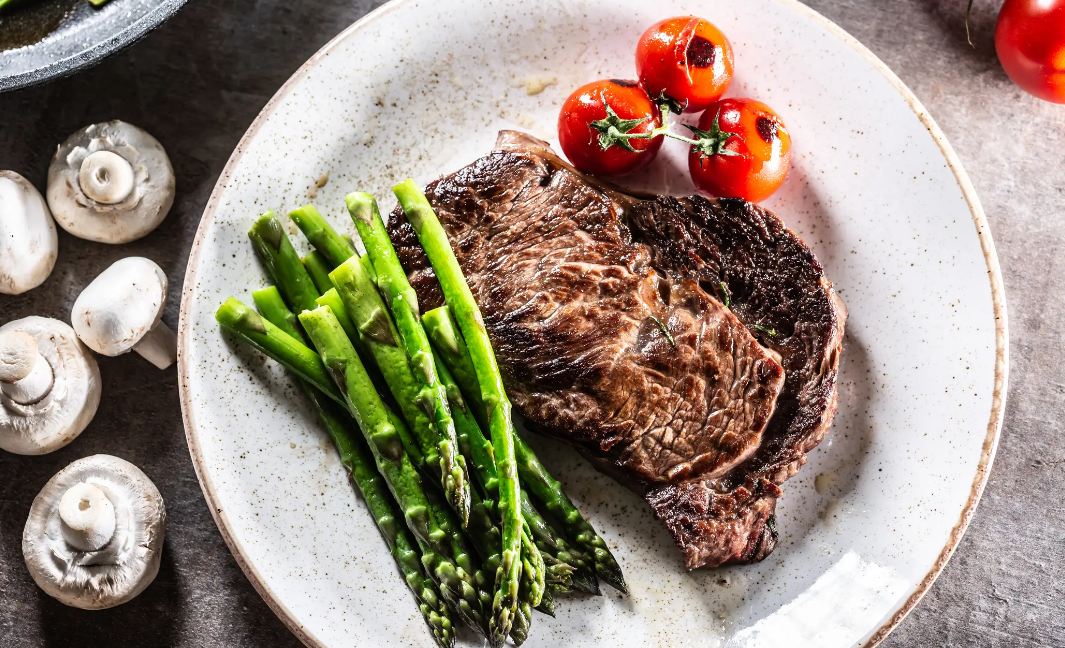
Animal-based proteins such as beef, poultry, and seafood appear to have stronger links to kidney stone formation compared to many plant-based protein sources. Diets extremely heavy in red meat and processed meats may also increase strain on the kidneys.
Because of this, doctors often recommend balancing animal protein with plant proteins like beans, lentils, tofu, nuts, and seeds.
Plant-based foods also provide fiber and other nutrients that support overall kidney health.
Doctors Urge Balance Instead of Extremes
Experts are not telling people to avoid protein completely. Instead, they recommend avoiding extreme diets that push intake far beyond what the body needs.
Health guidelines generally suggest adults consume moderate amounts of protein based on body weight and activity level. Staying hydrated is also considered extremely important for reducing kidney stone risk.
Doctors say people with existing kidney disease, diabetes, or high blood pressure should be especially careful with high-protein diets and should consult medical professionals before making major dietary changes.
The growing popularity of protein-focused eating plans has created confusion about how much protein is truly healthy. While protein remains essential for good health, experts warn that more is not always better.