
Finding a coarse, dark hair growing from your chin can be surprising. Many people wonder why it seems to appear overnight and whether it signals an underlying health problem. In most cases, the answer is reassuring: a few chin hairs are a normal part of aging and hormonal changes.
However, understanding why they develop can help you decide whether they are simply a cosmetic concern or something worth discussing with a healthcare professional.
Why Do Chin Hairs Appear?
Facial hair growth is influenced primarily by hormones called androgens. Although often associated with men, women naturally produce small amounts of these hormones as well. As hormone levels fluctuate throughout life, some fine, nearly invisible hairs can become thicker, darker, and more noticeable. This is especially common around the chin and jawline. Genetics also play a significant role. If your mother or grandmother developed chin hairs as they aged, you may be more likely to experience the same thing.
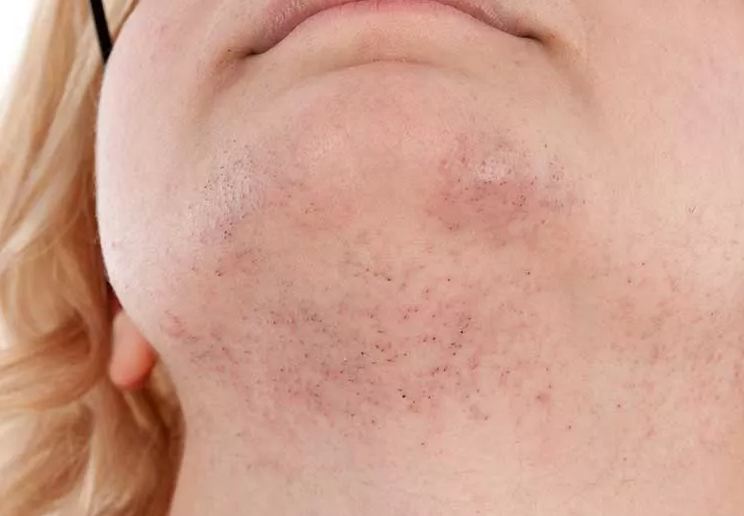
Hormonal Changes and Aging
One of the most common reasons for sudden chin whiskers is the natural aging process. As women approach menopause and beyond, estrogen levels decline. This shift can make the effects of androgens more noticeable, leading to the appearance of coarser facial hairs. For many women, discovering an occasional chin hair in their 40s, 50s, or later is completely normal and not a cause for alarm. Pregnancy, childbirth, and other life stages involving hormonal fluctuations may also temporarily affect hair growth patterns.
Could It Be a Sign of a Medical Condition?
While a few isolated chin hairs are usually harmless, excessive or rapidly increasing facial hair growth may sometimes indicate an underlying issue. One of the more common causes is Polycystic Ovary Syndrome (PCOS), a hormonal condition that can lead to increased androgen levels. Women with PCOS may also experience irregular periods, acne, thinning scalp hair, or difficulty becoming pregnant.
Other less common causes include:
Disorders affecting the adrenal glands.
Certain medications that influence hormone levels.
Rare hormone-producing tumors.
Conditions involving the ovaries.
If facial hair growth develops suddenly, becomes extensive, or is accompanied by other unusual symptoms, it is worth seeking medical advice.
When Should You See a Doctor?
Most people do not need medical evaluation for a few chin hairs. However, consider speaking with a healthcare provider if you notice:
Rapid or excessive facial hair growth.
Deepening of the voice.
Significant acne appearing later in life.
Irregular or absent menstrual cycles.
Unexplained weight gain.
Thinning hair on the scalp.
A doctor can assess whether further testing is needed and recommend appropriate treatment if an underlying cause is identified.
What Are Your Removal Options?
If chin hairs bother you, several safe methods can help manage them.
Tweezing
Tweezing is one of the simplest approaches for removing occasional hairs. It is inexpensive and effective but may become tedious if many hairs develop.
Waxing
Waxing removes multiple hairs at once and provides longer-lasting results than shaving. However, it may irritate sensitive skin.

Shaving
Despite common myths, shaving does not make hair grow back thicker or darker. It simply cuts the hair at the surface, which can make regrowth feel coarser temporarily.
Hair Removal Creams
Depilatory creams dissolve hair just below the skin’s surface. Always perform a patch test first to check for irritation. Laser Hair Removal Laser treatments target hair follicles and can significantly reduce long-term growth. Multiple sessions are usually required, and results vary depending on hair and skin type. Electrolysis Electrolysis destroys individual hair follicles using electrical currents. It is considered a permanent hair removal option but often requires repeated appointments.
Embracing What Is Normal
Chin whiskers are far more common than many people realize. For most women, they are simply another part of the body’s natural evolution over time. Whether you choose to remove them or leave them alone is entirely a personal decision. There is no right or wrong approach. The key is understanding the difference between normal hormonal changes and symptoms that may warrant medical attention. If a few unexpected chin hairs appear, there is usually no reason to panic. But if the changes are sudden, dramatic, or accompanied by other symptoms, seeking professional advice can provide reassurance and guidance. In the end, chin whiskers are often just a reminder that our bodies change throughout life—and that those changes are more common than we might think.