
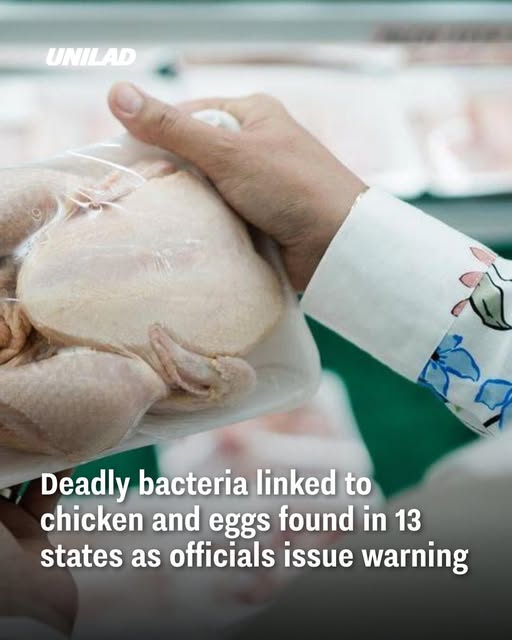
The Centers for Disease Control and Prevention has issued a warning following a newly identified salmonella outbreak affecting multiple states across the United States. Health officials say the situation is being closely monitored as new cases continue to emerge, raising concerns about public safety and hygiene practices.
According to early reports, dozens of people have already been infected, prompting increased awareness efforts. While no deaths have been confirmed so far, several individuals have required hospitalization, highlighting the potential seriousness of the outbreak.
What Is Causing the Outbreak?
Investigators have traced the source of the outbreak to contact with backyard poultry, including chickens and ducks. Although these animals may appear clean and healthy, they can still carry harmful bacteria such as salmonella. The bacteria can spread easily when people handle birds, their eggs, or anything in their environment and then touch their mouth or food without washing their hands. This means infection does not require eating contaminated food—simple contact can be enough. Health officials noted that a large percentage of those infected had recently interacted with or owned backyard poultry. In many cases, the animals had been purchased earlier this year, suggesting a link between new poultry ownership and the spread of illness.
How Widespread Is It?
So far, at least 34 confirmed cases have been reported across 13 states. Among those infected, 13 people have been hospitalized, though no fatalities have been recorded at this stage. However, experts warn that the real number of cases is likely higher. Many people who contract salmonella recover without seeking medical care, meaning their infections may never be officially recorded. Another concerning detail is that a significant proportion of cases involve young children, who are more vulnerable to severe illness. This has prompted additional warnings aimed at families and poultry owners.
Symptoms to Watch For
Salmonella infection, also known as salmonellosis, typically develops between six hours and six days after exposure. Common symptoms include diarrhea, stomach cramps, fever, nausea, and vomiting. For most healthy individuals, symptoms last a few days to a week and resolve without treatment. However, certain groups—including young children, older adults, and people with weakened immune systems—may experience more severe illness requiring medical attention. Because symptoms can resemble other common illnesses, health officials urge anyone who has had recent contact with poultry and develops these signs to seek medical advice.
How to Protect Yourself
The CDC emphasizes that prevention largely comes down to proper hygiene. Washing hands thoroughly after touching poultry, eggs, or anything in their living area is one of the most effective ways to reduce risk. People are also advised to avoid close contact with backyard birds, including kissing or snuggling them, as this increases the chance of exposure. Keeping poultry areas clean and separate from living spaces is another key recommendation. For families, extra caution is advised. Young children should not handle poultry or play in areas where the animals roam, as they are particularly susceptible to infection.

Why This Matters
Salmonella outbreaks are not uncommon, but this case highlights how everyday activities—like raising backyard chickens—can pose unexpected health risks. The growing popularity of home poultry farming has made awareness even more important. Health officials stress that backyard poultry can be safely kept if proper precautions are followed. However, without consistent hygiene and awareness, the risk of infection remains significant. As the investigation continues, authorities are urging the public to stay informed and take simple preventive steps. Even small actions, such as washing hands and handling animals carefully, can make a major difference in limiting the spread of disease.