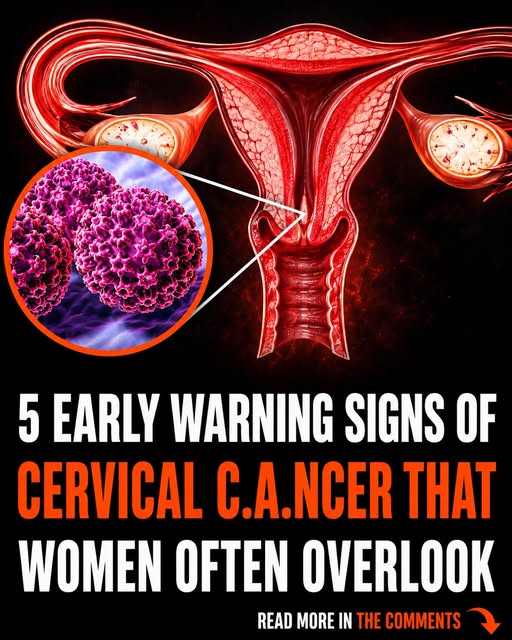
Cervical cancer remains one of the most preventable forms of cancer, largely because screening tests and early detection can identify problems before they become life-threatening. Despite significant advances in prevention and treatment, thousands of women around the world are diagnosed with cervical cancer each year.
One of the challenges is that early-stage cervical cancer often produces few or no noticeable symptoms. As the disease progresses, however, certain warning signs may begin to appear. Recognizing these symptoms and seeking medical attention promptly can improve the chances of successful treatment. It is important to remember that many of the symptoms associated with cervical cancer can also be caused by less serious conditions. However, persistent or unusual symptoms should never be ignored.
What Is Cervical Cancer?
Cervical cancer develops in the cells of the cervix, the lower part of the uterus that connects to the vagina. Most cases are linked to persistent infection with high-risk strains of the human papillomavirus, commonly known as HPV. Regular screening through Pap tests and HPV testing can detect abnormal cell changes before they develop into cancer. Vaccination against HPV has also significantly reduced the risk of cervical cancer in many populations. Even with these preventive measures, understanding the warning signs remains essential.

1. Unusual Vaginal Bleeding
One of the most common warning signs of cervical cancer is abnormal vaginal bleeding.
This may include:
Bleeding between menstrual periods
Bleeding after sexual intercourse
Bleeding after menopause
Menstrual periods that are heavier or longer than usual
While abnormal bleeding can result from many different conditions, persistent or unexplained bleeding should always be evaluated by a healthcare professional.
2. Unusual Vaginal Discharge
Changes in vaginal discharge can sometimes signal a problem that requires medical attention.
Warning signs may include:
Persistent discharge that differs from normal patterns
Watery discharge
Discharge with an unpleasant odor
Blood-tinged discharge
Although infections frequently cause similar symptoms, ongoing changes should be discussed with a healthcare provider to determine the underlying cause.
3. Pelvic Pain
Pain or discomfort in the pelvic region may occur as cervical cancer advances.
Some women describe:
Persistent pelvic pressure
Aching sensations
Pain unrelated to menstruation
Discomfort that gradually worsens over time
Pelvic pain can have numerous causes, ranging from gynecological conditions to digestive disorders. However, chronic or unexplained pain should not be ignored.
4. Pain During Sexual Intercourse
Pain experienced during sexual activity, known medically as dyspareunia, can occasionally be associated with cervical abnormalities. While many conditions can contribute to discomfort during intercourse, persistent pain should be evaluated, particularly if it occurs alongside other symptoms such as bleeding or unusual discharge. Discussing such symptoms with a healthcare provider may feel uncomfortable, but doing so is an important step in protecting long-term health.
5. Changes in Urination or Bowel Habits
In more advanced cases, cervical cancer may affect nearby tissues and organs, leading to changes involving the bladder or bowels.
Possible symptoms include:
Frequent urination
Pain during urination
Difficulty emptying the bladder
Changes in bowel habits
Blood in the urine
These symptoms can result from many medical conditions, but persistent changes warrant medical evaluation.
The Importance of Screening
One of the most powerful tools in preventing cervical cancer is routine screening.
Regular Pap tests and HPV tests can:
Detect abnormal cervical cells
Identify HPV infections
Allow treatment before cancer develops
Reduce the risk of advanced disease
Many women diagnosed with cervical cancer had either missed screenings or experienced long gaps between examinations. Healthcare professionals generally recommend following screening guidelines appropriate for age and personal risk factors.
Reducing Risk
Several steps may help lower the risk of cervical cancer:
Receiving the HPV vaccine
Attending regular screenings
Avoiding tobacco use
Practicing safer sexual health habits
Seeking medical attention for unusual symptoms These preventive measures have contributed to significant reductions in cervical cancer rates in many countries.

Final Thoughts
Cervical cancer is often highly treatable when detected early. Understanding potential warning signs can help women recognize when something may be wrong and encourage timely medical evaluation. Unusual bleeding, changes in vaginal discharge, pelvic pain, painful intercourse, and changes in urinary or bowel habits are symptoms that should not be overlooked, especially when they persist. Most importantly, regular screening remains the most effective way to detect cervical abnormalities before they become cancerous. Combined with HPV vaccination and routine medical care, early detection continues to save countless lives every year.