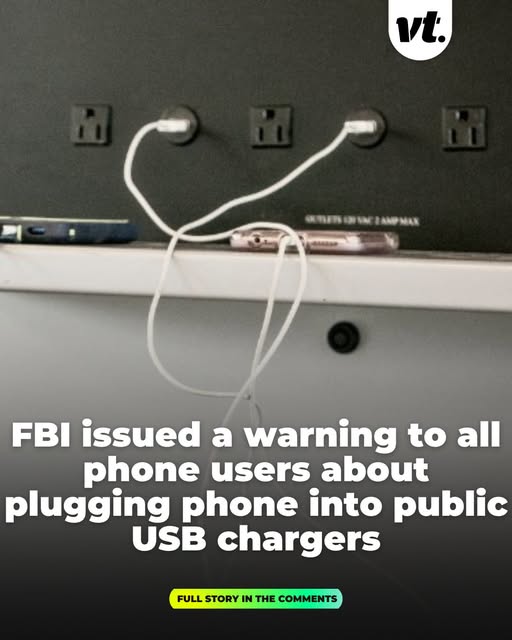
A simple way to recharge your phone while traveling could potentially expose your device to a cybersecurity threat. Public USB charging stations can be convenient in airports, hotels, shopping centers, train stations and other busy locations, but security experts have warned that USB connections can potentially be abused by criminals. The technique is commonly known as “juice jacking.” It involves manipulating a USB charging connection so that it can potentially transfer data or malicious software as well as electrical power. Cybersecurity experts warn that a compromised charging port could potentially be used to access information stored on a connected device.
Why USB Charging Can Create a Risk
Many people think of a USB connection purely as a way to transfer electricity. However, USB technology can also support communication between devices. Depending on the hardware, software and security settings involved, that communication can create opportunities for malicious activity.
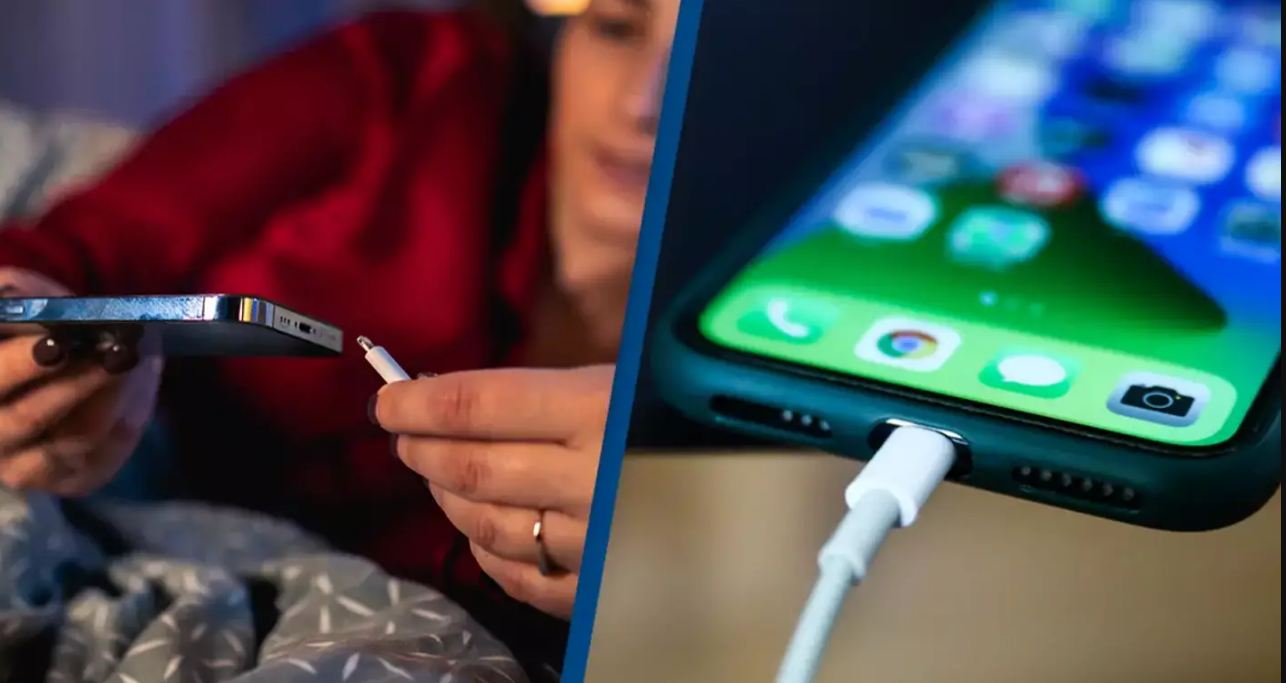
A compromised charging station could theoretically be modified to interact with a connected phone or another electronic device. In a successful attack, criminals could attempt to install malicious software, obtain sensitive information or otherwise compromise the device. The possibility is particularly concerning because public charging stations are often shared by large numbers of people. A user generally has no way of knowing whether a particular USB port has been inspected or tampered with.
What Could Criminals Try to Access?
The potential consequences of a successful attack could be serious. Security researchers have warned that compromised USB connections could potentially allow attackers to obtain personal information, passwords or other sensitive data. In some circumstances, malware could also interfere with the operation of a device. That does not mean that every public charging station is dangerous or that connecting a phone automatically results in hacking. The attack requires a compromised or malicious charging connection and other circumstances that allow the attack to succeed. Nevertheless, the potential consequences are one reason cybersecurity professionals recommend avoiding unnecessary risks when safer charging options are available.
The Safer Alternative
One of the simplest precautions is to use a regular electrical outlet with your own charging adapter instead of connecting your phone directly to a public USB port. Carrying your own wall charger and cable can make this especially easy. A portable power bank is another useful option for people who regularly travel and may not have access to a private electrical outlet. Using your own equipment does not eliminate every possible cybersecurity threat, but it reduces exposure to unknown public USB hardware.
Be Careful When Your Phone Asks for Permission
Modern smartphones include security protections that can reduce the danger associated with unfamiliar connections. Users should still pay attention to any notification asking whether they want to trust, authorize or establish a connection with another device. If a charging connection unexpectedly asks for permission to access data, users should be cautious. There is usually no reason for a phone to need data access simply because someone wants to recharge its battery. Keeping the operating system and security software updated is also an important part of protecting a smartphone from known vulnerabilities.
Why the Warning Still Matters
Cybersecurity threats constantly evolve, and criminals frequently look for opportunities that require little effort from victims. The FBI has continued to issue public cybersecurity warnings about different ways criminals can compromise internet-connected devices and steal information. Public USB charging is therefore worth treating with caution, particularly when traveling or when handling sensitive information.
A Small Habit Can Make a Difference
The easiest rule to remember is simple: bring your own charger whenever possible. If you need emergency power, a wall outlet and personal charging adapter or a trusted power bank are generally preferable to an unfamiliar USB charging station. Public charging ports may look harmless, but a few seconds of convenience may not be worth taking an unnecessary security risk. By using personal charging equipment, refusing unexpected data permissions and keeping devices updated, smartphone users can make it considerably harder for criminals to take advantage of their devices.