
Have you ever wondered what your cat actually sees when it looks directly at you? Although cats share our homes and routines, they experience the world through senses that are remarkably different from ours. Their vision, hearing and ability to detect movement have evolved primarily for hunting and surviving, particularly in low-light conditions. A recent simulation showing how humans may appear from a cat’s perspective has fascinated viewers because it highlights just how different their sensory experience can be.
For cats, the human world is not simply a smaller or less colorful version of what we see. Instead, it is a combination of movement, sounds, scents and familiar patterns that help them understand their surroundings.
Cats Do Not See the World Like We Do
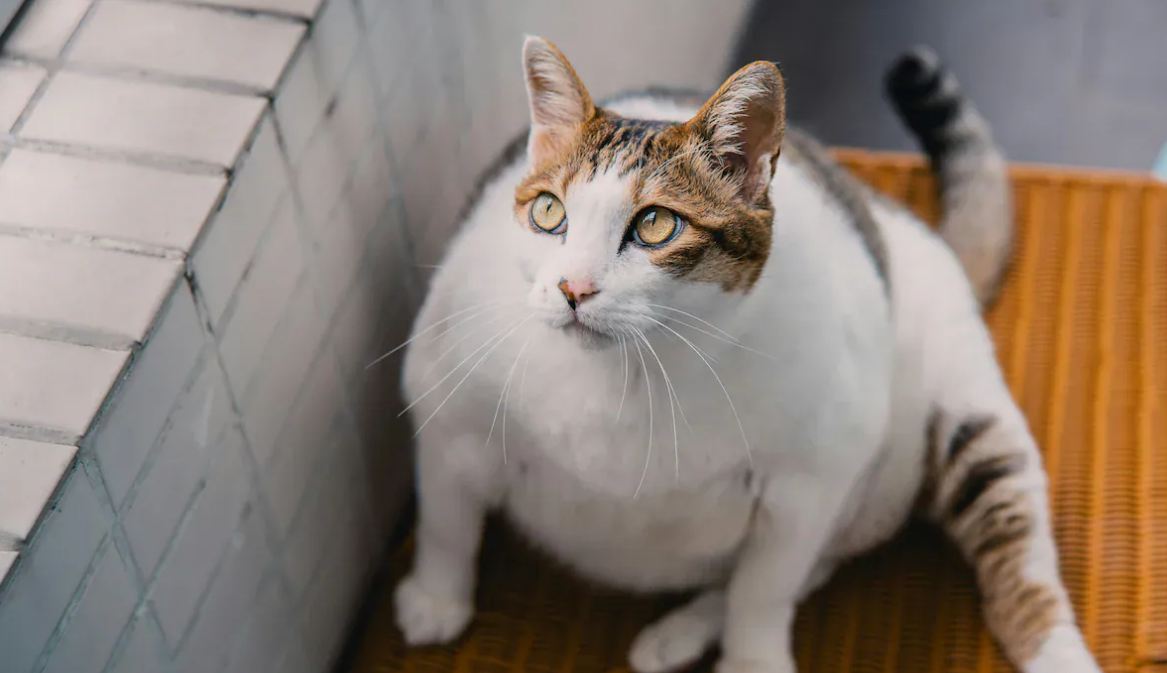
One of the biggest differences involves color and visual sharpness. Cats have fewer color-detecting cone cells than humans, meaning their perception of colors is more limited. Blues and blue-violet shades are easier for them to distinguish, while some colors that appear vivid to humans can look much less pronounced to a cat. Cats also sacrifice some visual detail in exchange for advantages that are far more useful to a nocturnal predator. Their eyes are highly adapted to dim environments, allowing them to detect movement when there is relatively little light. This is why a cat can suddenly notice something moving across a room even when its owner struggles to see it. However, cats are not necessarily better at seeing distant objects. Their vision is particularly effective at closer ranges, where detecting small movements can make the difference between catching prey and missing it.
Their Hearing Is Even More Impressive
If your cat suddenly turns its head toward a sound you cannot hear, there is a good reason. Cats possess an exceptionally sensitive auditory system capable of detecting a much wider range of frequencies than humans. Their ears can rotate and reposition themselves to help locate the source of a sound. This ability is particularly useful when hunting because a cat can identify subtle noises made by small animals even when those animals are hidden from view. This also explains why ordinary household noises can sometimes attract your cat’s attention immediately. A rustling bag, a tiny movement behind furniture or a faint sound from another room may be much more noticeable to a cat than to a person.
What Do Cats Hear When We Talk?
Cats can recognize familiar human voices and learn to associate particular sounds with people, routines and experiences. They may not understand human language in the same way people understand words, but they can become highly responsive to tone, pitch and repeated sounds. Your cat may therefore recognize that you are speaking to it even without understanding every word. Over time, it can associate particular phrases or vocal patterns with feeding, affection, play or other familiar activities.
They Recognize More Than Your Face
When a cat appears to recognize its owner, sight is only part of the picture. Cats can use voices, body movements, scent and other familiar cues to identify people. Their strong sense of smell adds another layer to their understanding of the world. This means that your cat’s perception of you is probably much more complex than simply seeing a human standing nearby. Your voice, smell, movements and daily routines all contribute to the familiar identity your cat associates with you.
A Different Kind of Human-Animal Connection
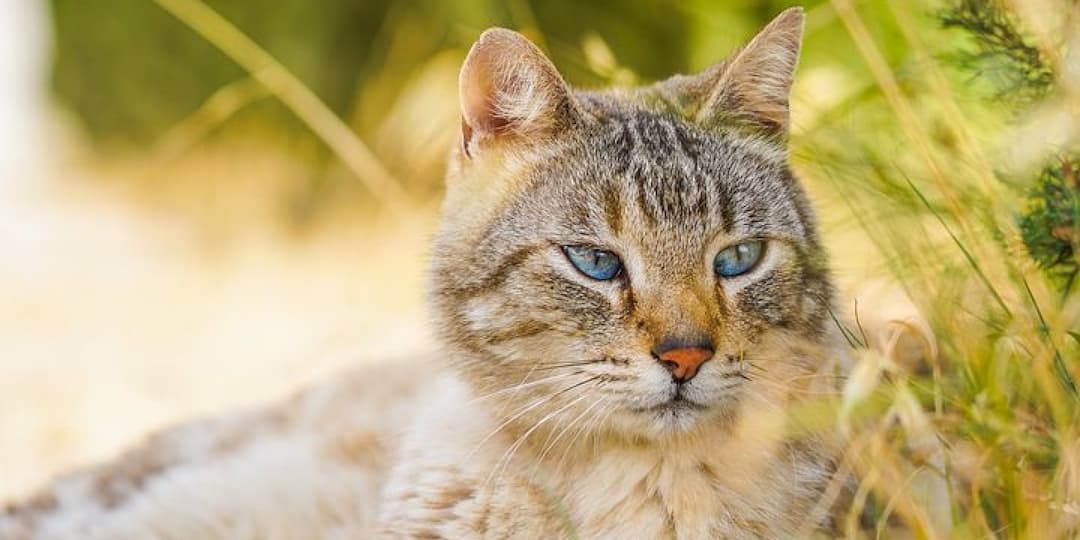
Understanding feline senses can make their strange-looking behaviors easier to appreciate. When your cat stares at something invisible, suddenly reacts to a distant noise or watches you from across the room, it may be responding to information that is completely outside our own sensory experience. Cats may live alongside humans, but they experience their surroundings through a fascinating sensory system designed for detecting movement, sound and subtle environmental changes. Seeing the world from their perspective reminds us that our pets are not simply observing the same reality we do—they are experiencing a version of it that is uniquely their own.