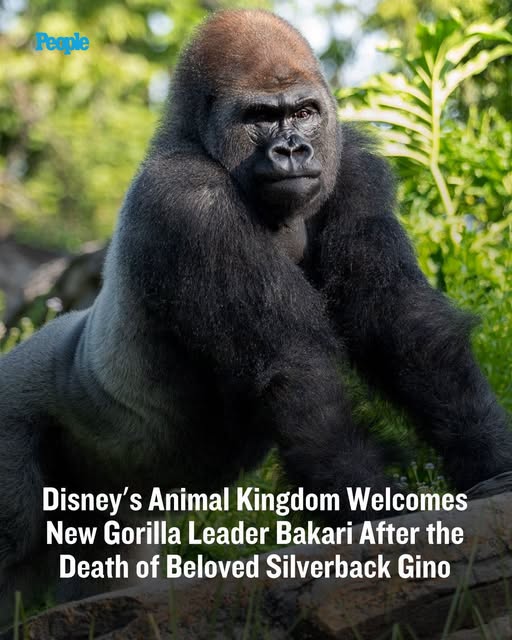
A new chapter has begun for the western lowland gorilla family at Disney’s Animal Kingdom as Bakari officially takes on the role of the troop’s silverback leader. The transition follows the loss of the group’s longtime dominant male, marking an important moment for both the animals and the dedicated care team responsible for their well-being.
The arrival of a new leader is a significant event in gorilla society. Silverbacks are responsible for protecting their family, maintaining social order, and guiding the group through daily activities. Animal experts carefully monitor these changes to ensure the transition happens as smoothly as possible while minimizing stress for every member of the troop.
The Important Role of a Silverback
A silverback is the dominant adult male in a gorilla family and is easily recognized by the distinctive patch of silver hair that develops across his back as he matures. More than simply the strongest member of the group, a silverback serves as both protector and decision-maker. He determines where the troop travels, settles disagreements among group members, and steps forward whenever a threat appears. Younger gorillas also learn important social behaviors by observing the silverback’s interactions with the rest of the family. Because of these responsibilities, selecting and introducing a new leader requires careful planning and close observation by animal care specialists.
Helping the Troop Adjust
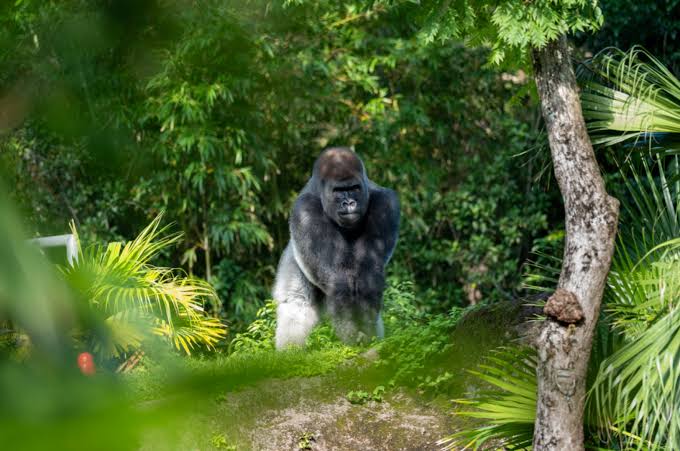
Whenever leadership changes within a gorilla family, keepers closely monitor every interaction. Even though gorillas naturally establish social hierarchies, each individual responds differently to change. The transition period allows the animals to become familiar with new routines while strengthening social bonds. Care teams watch for signs of confidence, cooperation, and healthy communication between the silverback and the rest of the troop. Positive reinforcement, enrichment activities, and carefully managed introductions help encourage natural behaviors while reducing unnecessary stress.
Why Gorilla Conservation Matters
Western lowland gorillas remain one of the world’s most threatened great ape species. Habitat destruction, illegal hunting, disease outbreaks, and climate-related environmental changes continue to reduce wild populations across Central Africa. Modern zoological institutions play an important role in global conservation by participating in carefully managed breeding programs, supporting scientific research, and educating millions of visitors about wildlife protection. Every healthy gorilla born or successfully integrated into a social group contributes valuable knowledge that can support conservation efforts both inside and outside protected habitats.
Life Inside a Gorilla Troop
Gorillas are highly intelligent and social animals that live in close family groups. Their daily routine includes feeding, resting, grooming, playing, and caring for young members of the troop. Communication takes many forms, including vocal sounds, facial expressions, body posture, and gentle physical contact. Strong family relationships are essential to their emotional well-being. The silverback provides reassurance during uncertain situations and helps maintain stability throughout the group. His calm behavior often influences how other gorillas respond to new experiences or unfamiliar surroundings.
The Work Behind the Scenes
Caring for gorillas requires a team of veterinarians, nutritionists, animal behavior experts, and keepers who work together every day. Their responsibilities include preparing balanced diets, creating enrichment activities that encourage natural behaviors, monitoring health through regular examinations, and maintaining habitats designed to stimulate curiosity and exploration. Behavioral observations are especially important during periods of social change. Keepers carefully record interactions to ensure every animal remains healthy and comfortable throughout the adjustment process.
Inspiring Visitors Through Conservation
Seeing gorillas up close gives visitors a greater appreciation for one of humanity’s closest relatives. Educational programs help guests understand the challenges these animals face in the wild and explain how individual actions—such as supporting sustainable products and conservation organizations—can contribute to protecting endangered species. Many zoological parks also collaborate with international conservation groups that work directly in gorilla habitats, supporting anti-poaching efforts, habitat restoration, veterinary care, and community education. These partnerships demonstrate that conservation extends far beyond zoo boundaries.
A Promising New Beginning
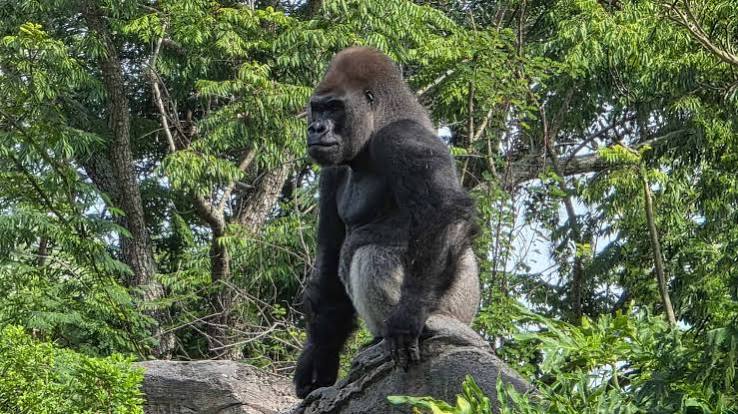
Bakari’s arrival as the troop’s new silverback represents more than a simple change in leadership. It marks the continuation of a carefully managed social structure designed to promote the health, stability, and long-term success of the gorilla family. As the troop adapts to its new leader, animal care professionals will continue monitoring each stage of the transition while allowing the gorillas to develop relationships naturally. Their progress serves as an encouraging reminder of the importance of expert animal care, conservation, and ongoing efforts to protect one of the world’s most remarkable and endangered primate species for future generations.