

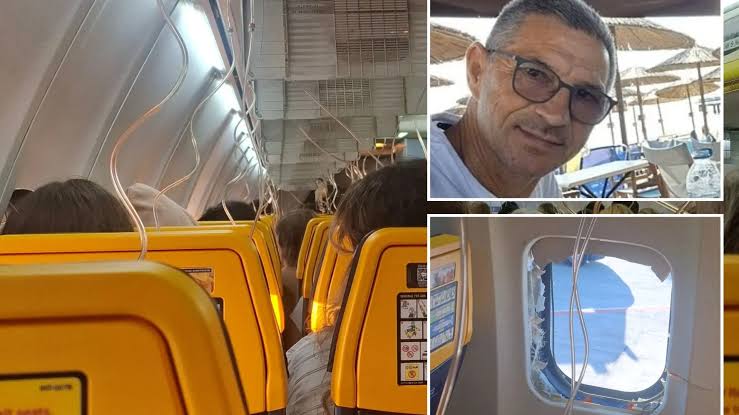
A passenger has sparked discussion online after sharing photographs of what appeared to be a damaged window on a commercial aircraft before departure. The images quickly attracted attention on social media, with many viewers questioning whether the plane should have been allowed to fly and whether airline staff responded appropriately to the concern.
The traveler explained that he noticed what looked like a crack or visible damage while boarding the aircraft. Concerned about passenger safety, he reportedly brought the issue to the attention of cabin crew. According to his account, he felt his concerns were not addressed in a way that reassured him before the flight continued. The incident has reignited conversations about aircraft maintenance, passenger awareness, and how airlines respond when customers report potential safety issues.
Why Aircraft Windows Are Different
Although an aircraft window may look similar to the windows found in cars or buildings, its construction is far more advanced. Commercial airplane windows are made from multiple layers of strong acrylic material, with each layer serving a specific purpose. The outer pane is designed to withstand significant pressure and harsh weather conditions, while the inner layers provide additional protection and insulation. Engineers build these windows with multiple levels of redundancy, meaning that even if one layer develops a problem, the remaining layers continue to provide structural protection. Because of this design, not every visible mark or crack automatically represents an immediate danger. Some imperfections affect only a non-structural layer and do not compromise the aircraft’s ability to fly safely.
How Airlines Handle Safety Concerns
Modern airlines operate under strict maintenance procedures established by aviation authorities. Before every flight, pilots and maintenance personnel perform inspections to identify any issues that could affect safety. If a passenger reports possible damage, crew members typically notify the flight deck or maintenance staff for further evaluation. Qualified engineers determine whether the aircraft meets all safety requirements before it is cleared for departure. Commercial aviation follows detailed maintenance manuals that specify exactly what types of damage require immediate repair and which cosmetic defects can safely remain until scheduled maintenance. Safety decisions are not left to individual opinion but are based on engineering standards and regulatory guidelines developed through decades of research and operational experience.
Social Media Reactions
The shared photographs generated thousands of comments online. Some users believed the aircraft should not have departed until the window had been replaced, while others pointed out that it is difficult to judge the seriousness of any damage from a single image. Several aviation enthusiasts and industry professionals explained that airplane windows contain several independent layers and that surface damage does not necessarily indicate a structural problem. Others encouraged travelers to continue reporting anything that appears unusual, noting that passengers can sometimes notice issues that deserve closer inspection. The discussion highlighted how quickly images posted online can raise questions about aviation safety, even when the full technical details are not immediately available.
Safety Remains the Top Priority
Experts consistently emphasize that commercial aviation remains one of the safest forms of transportation in the world. Aircraft undergo routine inspections, scheduled maintenance, and detailed safety checks throughout their service lives to ensure they continue meeting strict regulatory standards. While passengers should never hesitate to report anything that appears unusual, visible damage does not always mean an aircraft is unsafe to operate. Aviation professionals are trained to assess every concern using established engineering procedures rather than appearance alone. Incidents like this serve as a reminder that transparency and clear communication are important. When airlines explain why a reported issue has been inspected and deemed safe, passengers are more likely to feel confident throughout their journey. Encouraging travelers to speak up while relying on qualified experts to evaluate technical concerns helps maintain the high level of safety that modern commercial aviation is known for.