
The ocean can be both beautiful and unpredictable. While most beachgoers are familiar with large waves, strong currents, and changing tides, there is another unusual phenomenon that often catches people by surprise: square waves, also known as cross seas.
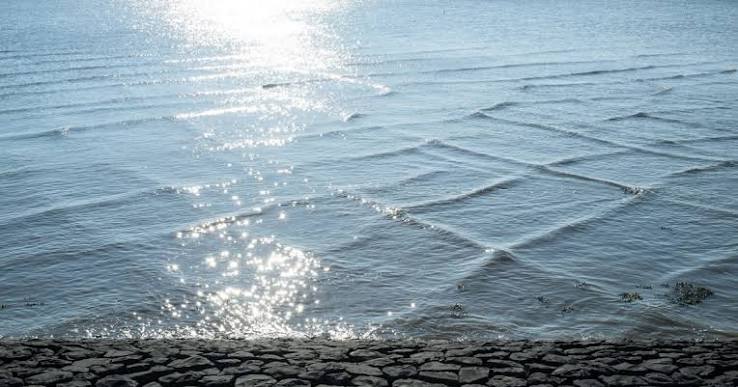
At first glance, the water may appear to have a striking checkerboard pattern, with waves moving in different directions and intersecting at nearly right angles. Although the scene can look fascinating and even picturesque, experts warn that square waves can signal hazardous conditions for swimmers, surfers, and boaters. Understanding why they occur and knowing how to respond can help reduce the risk of accidents.
What Are Square Waves?
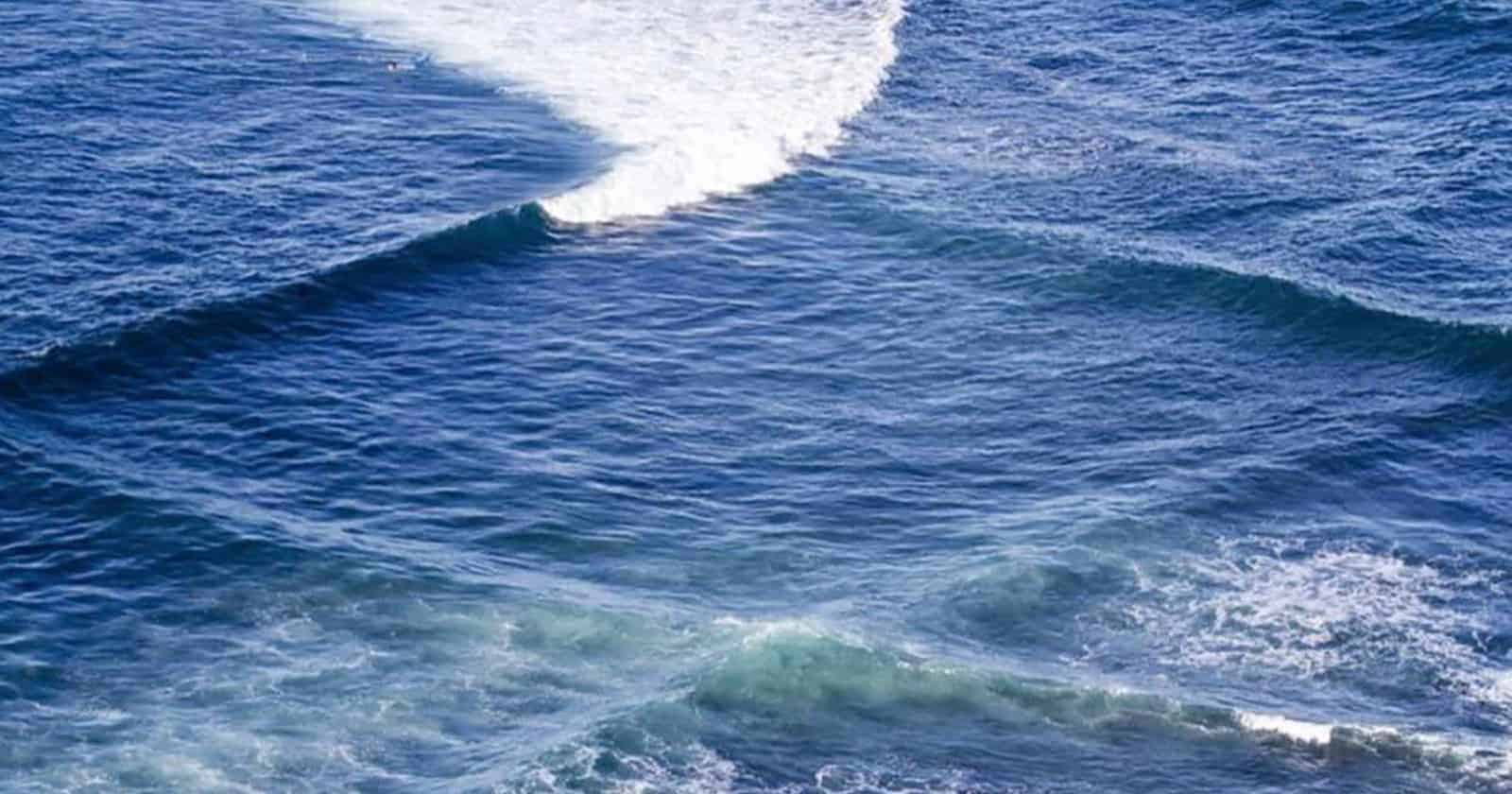
Square waves form when two different wave systems travel across the ocean from separate directions and meet. Instead of creating a single, consistent pattern, the waves cross each other, producing a grid-like appearance on the water’s surface. This phenomenon usually develops when weather conditions create waves from different storms or wind systems. One set of waves may continue moving long after the original weather has passed, while a newer wave pattern arrives from another direction. When these wave systems intersect, the result is the distinctive crisscross pattern that gives square waves their name.
Why They Can Be Dangerous
Although square waves may seem harmless from a distance, they can create powerful and unpredictable water movement. The intersecting waves generate irregular currents that can make swimming difficult, reduce stability for small boats, and increase the chance of being knocked off balance. Even experienced swimmers may find it harder to predict the movement of the water because the waves are arriving from multiple directions instead of following a single path. For boats, the risk can be even greater. Vessels may roll unexpectedly as waves strike from different angles, making navigation more challenging and increasing the likelihood of accidents in rough conditions.
Warning Signs to Watch For
Square waves are often visible from elevated viewpoints such as cliffs, hills, or observation platforms overlooking the coast. The water may appear divided into square or diamond-shaped sections, creating a striking geometric pattern. Other warning signs can include unusually choppy water, waves approaching from different directions, or rapidly changing sea conditions despite relatively calm weather nearby. If you notice these patterns while at the beach or on the water, it is wise to remain cautious and pay attention to local safety advice.
What You Should Do Immediately
If you encounter square waves, the safest response is to avoid entering the water until conditions improve. Swimmers should remain onshore, especially if warning flags or lifeguards advise against swimming. If you are already in the water and notice waves coming from multiple directions, stay calm and move carefully toward the nearest safe exit without fighting the water’s movement. Boaters should reduce speed, secure loose equipment, and steer carefully while monitoring weather updates. If possible, avoid traveling through areas where cross seas are clearly visible, particularly in smaller vessels that are more affected by changing wave directions.
How Beaches and Boaters Stay Safe
Many coastal regions monitor wave conditions using weather stations, buoys, and forecasting systems. Marine forecasts often provide information about wave height, direction, and sea state, helping boaters and beach visitors make informed decisions before heading out. Checking local forecasts before visiting the coast can provide valuable information about potentially hazardous conditions. Following guidance from lifeguards, harbor authorities, and weather services is one of the simplest ways to reduce unnecessary risks.
Respecting the Power of the Ocean
Square waves are a reminder that the sea is constantly changing. Even when the weather appears pleasant, underwater currents and intersecting wave systems can create unexpected hazards. The ocean’s beauty often hides powerful natural forces, making awareness and preparation essential for anyone spending time near the water. By recognizing unusual wave patterns and choosing caution over curiosity, visitors can enjoy the coastline while protecting themselves and others. Whether you are swimming, boating, fishing, or simply enjoying the view, understanding the signs of changing sea conditions can make all the difference. A few moments of observation and a willingness to stay out of dangerous water may prevent serious accidents and ensure that a day at the beach remains both enjoyable and safe.