
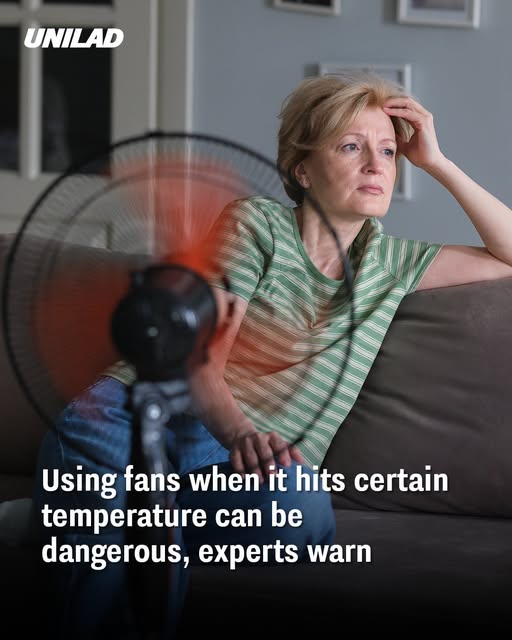
When temperatures soar during a heatwave, many people instinctively switch on an electric fan to cool down. Fans are inexpensive, widely available, and often seen as an easy way to stay comfortable without relying on air conditioning. However, health experts say there are situations where using a fan may not provide the protection people expect and could even increase the risk of heat-related illness.
Understanding when a fan helps and when it becomes less effective is an important part of staying safe during periods of extreme heat.
How Fans Help Cool the Body
Electric fans work by moving air across the skin, helping sweat evaporate more quickly. As sweat evaporates, it removes heat from the body, creating a cooling effect that can make people feel more comfortable. When temperatures are warm but not excessively high, this process is usually effective. The moving air improves comfort, reduces the feeling of stuffiness, and can help lower body temperature, especially in well-ventilated rooms. For many households without air conditioning, fans remain an important way to cope with hot summer days. When High Temperatures Change the Situation The benefits of a fan begin to decrease once air temperatures become extremely high. Health authorities advise that when indoor temperatures climb above approximately 35°C (95°F), fans may no longer cool the body effectively. Instead of circulating cooler air, they simply move hot air around the room. If the surrounding air is hotter than the skin, the body can actually gain heat rather than lose it. This makes it harder to cool down, particularly during prolonged exposure to extreme temperatures. In these conditions, relying solely on a fan may not be enough to prevent heat exhaustion or heatstroke.
Dehydration Can Become a Bigger Risk
Another concern during very hot weather is dehydration. Fans increase the rate at which sweat evaporates. While this normally helps cool the body, it also means moisture is lost more quickly. If a person is not drinking enough fluids, dehydration can develop faster than expected. Older adults, young children, people with chronic illnesses, and those taking certain medications are especially vulnerable because they may not notice dehydration until symptoms become more serious. Common warning signs include dizziness, headache, excessive thirst, fatigue, dark-colored urine, and confusion.
Better Ways to Stay Cool
Experts recommend combining several cooling strategies rather than depending on a fan alone during extreme heat. Keeping curtains and blinds closed during the hottest part of the day helps prevent sunlight from warming indoor spaces. Opening windows overnight or early in the morning, when outdoor temperatures are lower, allows cooler air to circulate through the home. Drinking water regularly is also essential, even before feeling thirsty. Wearing lightweight, loose-fitting clothing and avoiding strenuous outdoor activities during peak afternoon heat can further reduce the risk of overheating. If air conditioning is available, spending time in a cooled environment is generally the most effective way to lower body temperature.
Knowing the Warning Signs
Heat-related illnesses can develop quickly, especially during prolonged heatwaves. Symptoms such as heavy sweating, muscle cramps, nausea, weakness, rapid heartbeat, or dizziness may indicate heat exhaustion. Without prompt cooling and hydration, the condition can progress to heatstroke, a medical emergency that requires immediate treatment. Anyone experiencing confusion, loss of consciousness, or a body temperature that continues to rise despite cooling efforts should receive urgent medical attention. Electric fans remain useful tools for staying comfortable in many situations, but they are not a complete solution during periods of extreme heat. Understanding their limitations and combining them with proper hydration, shade, ventilation, and other cooling methods can significantly reduce the risk of heat-related illness while helping people stay safe throughout the hottest days of summer.